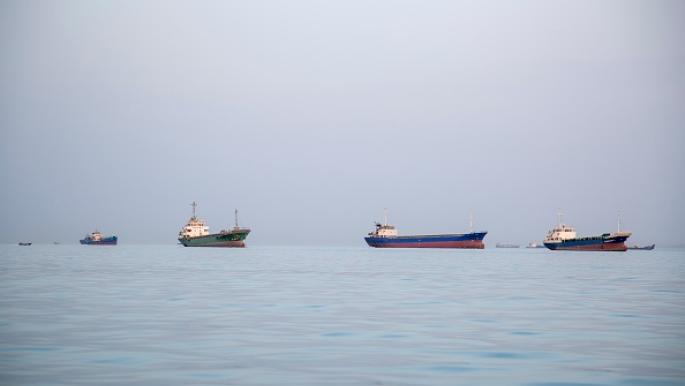
The Japanese oil tanker Edimitsu Maru has successfully crossed the Strait of Hormuz, showcasing the coordination between Tehran and Tokyo in the energy sector. According to reports from Tasnim News Agency, the tanker deviated from its route on April 17, generating significant interest in economic and political circles.
This development signifies the strengthening relations between Iran and Japan, particularly in light of the ongoing geopolitical tensions in the region. The crossing of the tanker underscores the importance of the Strait of Hormuz as a vital maritime passage for oil and gas transportation, through which approximately 20% of the world's total oil supply flows.
Details of the Event
The Edimitsu Maru, owned by the Idemitsu Japanese company, is recognized as one of the prominent tankers navigating this critical strait. It has been confirmed that the tanker’s passage was fully coordinated with Iranian authorities, reflecting both parties' desire to enhance cooperation in the energy sector.
This step comes at a time when global markets are experiencing significant fluctuations due to political and economic crises, increasing the necessity of securing maritime transport routes. Experts have noted that this collaboration could contribute to stabilizing oil prices in the global markets.
Background & Context
The Strait of Hormuz is a crucial transit point for oil, linking the Arabian Gulf with the Sea of Oman. Historically, the strait has witnessed numerous military and political tensions, particularly between Iran and Western nations. However, the cooperation between Iran and Japan may indicate a potential for improving relations under current circumstances.
Japan seeks to secure its energy sources, heavily relying on imports. This collaboration with Iran could bolster its position in the global market, especially given the challenges posed by sanctions imposed on Iran.
Impact & Consequences
This move may lead to positive effects on oil prices, as the cooperation between Iran and Japan could enhance market stability. Additionally, the tanker’s passage could pave the way for further collaboration between the two nations in other areas, such as trade and investment.
On the other hand, this development may raise concerns among some Western nations closely monitoring any actions that could strengthen Iran's position in the global market. Therefore, international reactions could play a significant role in determining the future of this cooperation.
Regional Significance
The crossing of the Edimitsu Maru serves as a strong message to Arab nations that rely on the Strait of Hormuz as a primary route for oil transportation. This cooperation could enhance Iran's position in the region, potentially affecting the relationships between Arab states and Iran.
Simultaneously, the stabilization of oil prices resulting from this collaboration could benefit Arab economies that heavily depend on oil revenues. Thus, this step may have far-reaching implications for the economic and political landscape in the region.
In conclusion, the crossing of the Edimitsu Maru through the Strait of Hormuz in coordination with Iran represents a significant step in strengthening relations between Tehran and Tokyo, highlighting the importance of this strait in securing global energy supplies.