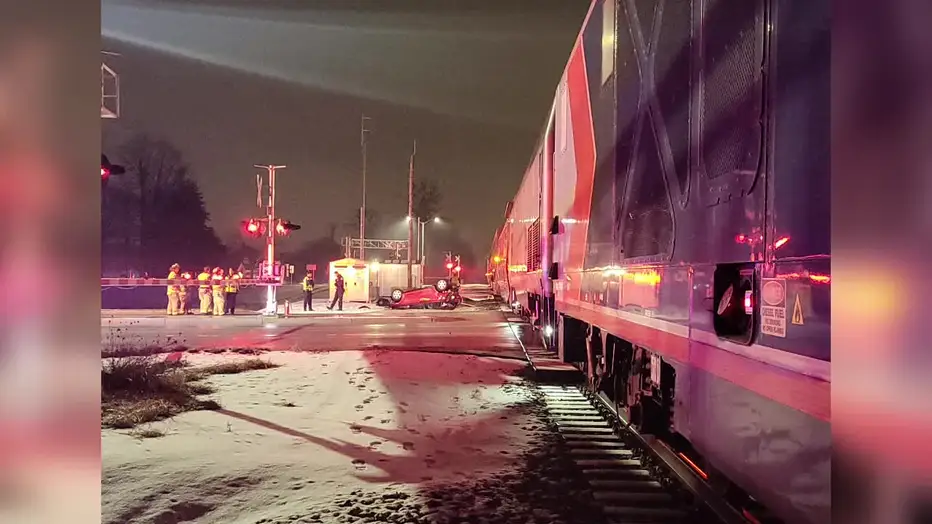
In a tragic incident, 15 people lost their lives and over 80 others were injured in a collision between the Argo Bromo train and the KRL Commuter Line train at the Bekasi Timur station in West Java on Monday evening. Indonesian Vice President Jibril Raka extended his heartfelt condolences to the victims' families and urged the community to pray for them during these difficult times.
The accident occurred late Monday evening when the two trains collided while passing through the station, resulting in significant damage. Local authorities confirmed that the incident led to the death of 15 individuals, while the injured were transported to various hospitals for treatment.
Details of the Incident
According to police statements, 10 bodies were found at the police hospital, while 3 bodies were located at Bekasi General Hospital, one at Bella Hospital, and another at Mitra Keluarga Hospital. Additionally, more than 80 injuries were reported, with victims being taken to different hospitals such as Bekasi General Hospital, Bella Hospital, and Primaya Hospital.
Authorities are working to secure the belongings of passengers that were scattered during the incident, and a special center has been established to collect lost items. It has also been confirmed that all necessary measures are being taken to provide support to the victims and their families.
Background & Context
Railways in Indonesia are considered one of the main modes of transportation, yet they face significant challenges in terms of safety. Over the years, the country has witnessed several similar incidents, raising questions about the efficiency of the railway safety system. The recent accident comes at a sensitive time as the government seeks to improve transportation infrastructure and enhance safety standards.
Impact & Consequences
The recent accident may significantly affect public confidence in the railway system. This incident is expected to lead to increased calls for improved safety standards and the implementation of stricter measures to prevent the recurrence of such accidents. Additionally, the government will face greater pressure to provide compensation to the victims and their families.
Regional Significance
This incident highlights the urgent need for enhanced safety standards in the railway sector, which is vital for ensuring passenger safety. As the government works to address these challenges, the focus will be on preventing future tragedies and restoring public trust in the railway system.
In conclusion, the Bekasi train collision serves as a stark reminder of the ongoing safety issues within Indonesia's railway network. It underscores the importance of prioritizing safety measures to protect passengers and prevent similar incidents in the future.