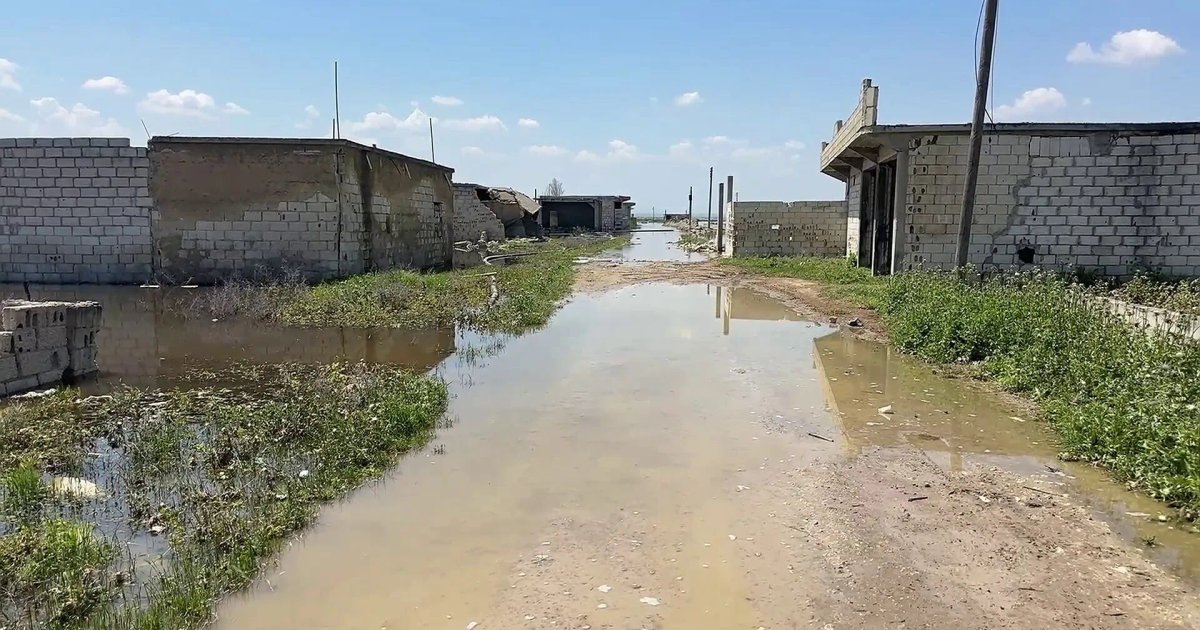
Flooding caused by rising water levels at the Al-Sihah Dam in eastern Idlib, northwestern Syria, has resulted in severe damage to infrastructure and agricultural crops. The waters have inundated homes in the village of Hamimat Al-Dair, destroying hundreds of hectares of farmland, including wheat and barley fields.
Despite the efforts of civil defense teams and the Ministry of Defense to erect earthen barriers in front of the dam, the heavy rains threaten other villages in the area. Residents are suffering the consequences of this disaster, with one local reporting that approximately 150 homes have been significantly damaged, leading to the closure of the main road in Abo Al-Zuhur, a vital artery for the region.
Event Details
A resident of the village spoke to Al Jazeera Mubasher, noting that agricultural crops have been damaged due to the rising water levels and calling for urgent intervention from the relevant authorities to repair their homes. He emphasized that the area is suffering from a severe shortage of basic necessities such as drinking water, medicine, and bread, exacerbating their plight.
Another citizen described the situation as tragic, stating that civil defense teams and the Ministry of Defense intervened to assist after the dam water overflowed, pointing out that the main road, which is considered a lifeline for the area, has been cut off. He explained that residents have been experiencing continuous displacement since 2013 due to water overflow, worsening the humanitarian situation.
Background & Context
The Al-Sihah Dam is a massive water reservoir extending from Aleppo province to eastern Idlib and is considered one of the main water sources in the region. With the increasing heavy rains, it has become essential to take preventive measures to protect neighboring villages from flooding. Historically, the area has witnessed several instances of flooding due to heavy rains, highlighting the urgent need to improve infrastructure and develop water management strategies.
Concerns are rising regarding the impact of climate change on water levels in dams, necessitating a swift response from government entities and humanitarian organizations. The current situation reflects the significant challenges faced by local communities amid the multiple crises affecting the country.
Impact & Consequences
The repercussions of the flooding extend beyond physical damage, directly affecting residents' daily lives. The floods have destroyed agricultural crops, threatening food security in the region. Additionally, the closure of main roads complicates the delivery of humanitarian aid to those affected, necessitating an urgent response from humanitarian organizations.
The current conditions require collaboration between government entities and civil society to provide necessary support to those affected. The response should include the provision of food and medical assistance, as well as the rehabilitation of damaged infrastructure. Furthermore, enhancing awareness about water management and urban planning can help mitigate future risks.
Regional Significance
The floods in Idlib exemplify the challenges faced by many Arab countries amid climate change. Numerous regions are suffering from water resource shortages, increasing the need for effective water management strategies. Moreover, the humanitarian crises resulting from natural disasters require international coordination to provide support and assistance to those affected.
In conclusion, there must be a swift and effective response from the relevant authorities to address the challenges posed by the flooding by providing necessary aid and enhancing infrastructure to ensure the safety and livelihoods of the population.