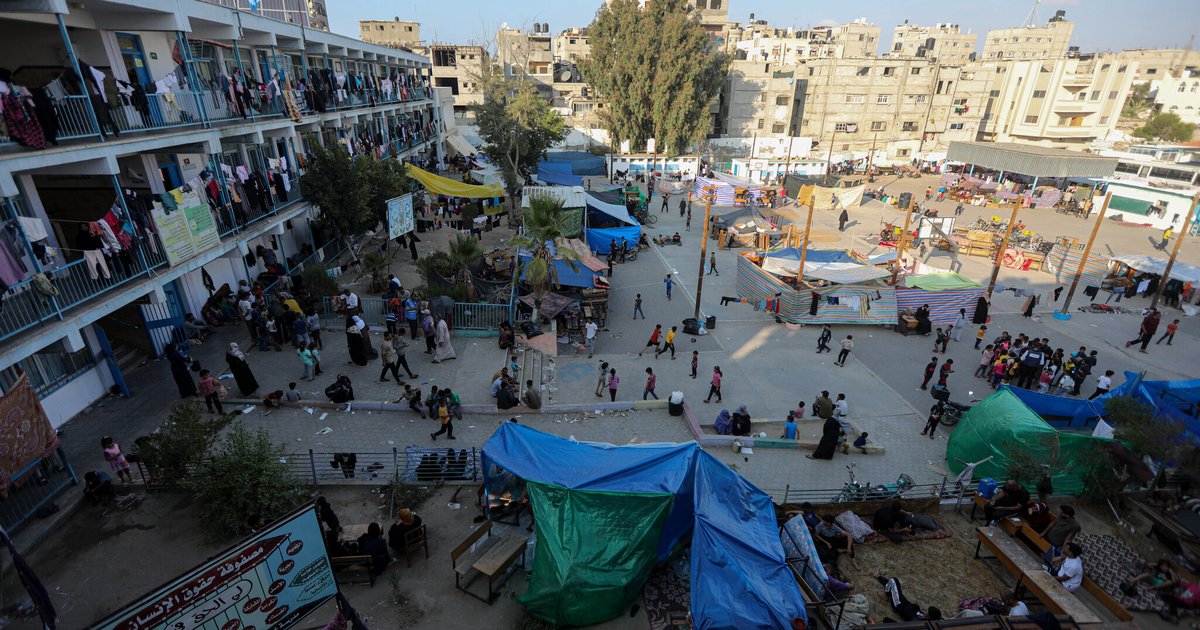
More than six months have passed since the guns fell silent and a ceasefire agreement was signed, yet the concept of "stability" remains distant for the displaced in the Gaza Strip. In the remnants of a concrete structure once known as a "home," seventeen families displaced from the border town of Beit Hanoun live in tragic circumstances, where crumbling walls have turned into a voluntary prison.
The suffering of these families, who have lost their homes and lands, is exacerbated by the lack of adequate support from relevant authorities. These families lack suitable shelter, enduring extreme poverty and facing difficulties in securing basic needs such as food and medicine.
Living Conditions of Displaced Families
The displaced families live in difficult conditions, sharing cramped spaces in dilapidated buildings. Residents complain of the proliferation of rats and insects, which heightens their health and psychological suffering. Additionally, the lack of clean water sources exposes them to significant health risks, especially as the region suffers from acute resource shortages.
One mother shares her daily struggles, stating: "We live in constant fear, not knowing what will happen tomorrow. All we want is to return to our homes, but that seems out of reach." These words reflect the bitter reality faced by the displaced, who have lost hope for improving their circumstances.
Background & Context
The history of displacement in Gaza dates back decades of ongoing conflict, with the region witnessing numerous wars and conflicts that have led to the displacement of thousands of families. Beit Hanoun, located in the northern part of the Strip, has been one of the most affected areas during recent conflicts, resulting in the destruction of many homes and infrastructure.
In recent years, Gaza has experienced recurring humanitarian crises, suffering from a suffocating blockade that has significantly impacted the lives of its residents. The number of displaced individuals has increased with each round of conflict, complicating the humanitarian situation further.
Impact & Consequences
The repercussions of displacement in Gaza extend beyond humanitarian dimensions, affecting social and economic stability in the region. Displaced families suffer from a loss of identity and belonging, which exacerbates feelings of frustration and despair. The absence of sustainable solutions further entrenches instability in the area.
The current crisis requires urgent intervention from the international community, as there must be genuine efforts to provide humanitarian support and necessary aid to the displaced. Failing to address these issues could lead to worsening conditions and increased tensions in the region.
Regional Significance
The displacement crisis in Gaza exemplifies the humanitarian crises faced by many Arab countries. This situation reflects the significant challenges confronting the region amid ongoing conflicts, necessitating Arab and international solidarity to address these crises.
Supporting the displaced in Gaza is not merely a humanitarian duty but a necessity for achieving peace and stability in the region. There must be an effective response from Arab nations to assist those affected and work towards finding lasting solutions to the ongoing conflicts.
The lives of the displaced in Gaza remain a testament to ongoing human suffering, with the current situation demanding urgent action from the international community to rescue those who have lost everything.