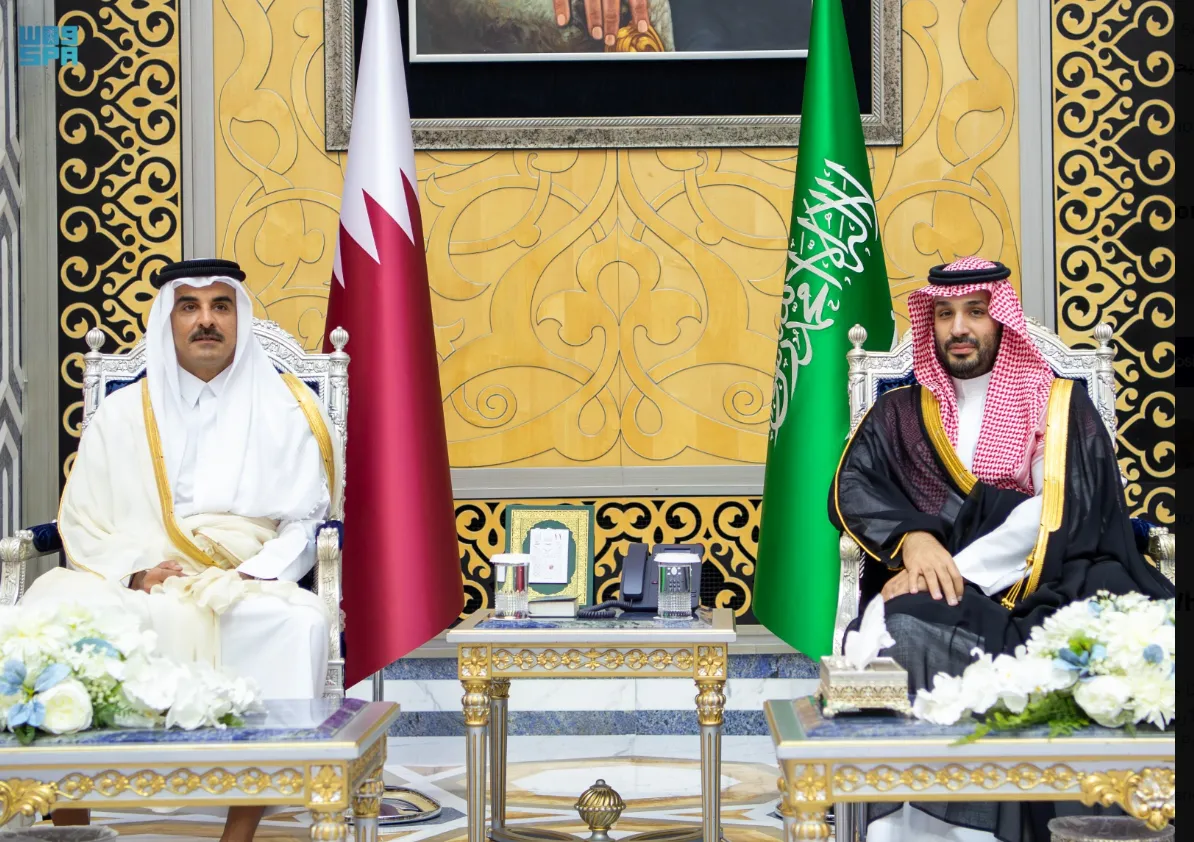
The consultative Gulf summit took place in Jeddah, led by Crown Prince Mohammed bin Salman, where leaders discussed several important issues related to regional and international developments. This summit comes at a sensitive time, as tensions in the region escalate, necessitating enhanced coordination among member states.
During the meeting, leaders addressed diplomatic efforts, including Pakistan's mediation between the United States and Iran, aimed at containing the crisis and opening negotiation pathways. The leaders emphasized the importance of unifying the Gulf stance and enhancing joint coordination to support collective security and protect economic gains.
Event Details
During the summit, Sheikh Tamim bin Hamad, Emir of the State of Qatar, stressed the importance of a unified Gulf position, emphasizing the need to intensify coordination and consultation to support diplomatic pathways. Meanwhile, Dr. Abdulaziz bin Saqr, President of the Gulf Research Center, pointed out that the summit comes at a critically important time, especially in light of the current Iranian crisis.
The summit also addressed the situation in Iran, reviewing three potential scenarios: an agreement between the United States and Iran, the current regime remaining with a change in behavior, or a complete regime change. Bin Saqr emphasized the importance of Gulf countries being part of any agreement reached.
Background & Context
This summit occurs amid escalating Iranian assaults on Gulf Cooperation Council states, with Saudi Arabia condemning these attacks that have affected trust with Tehran. The Saudi Foreign Minister indicated that Gulf countries prefer political solutions and avoiding military escalation while maintaining the option to respond at an appropriate time.
Furthermore, the impact of closing the Strait of Hormuz on international navigation was reviewed, with the Qatari Prime Minister's advisor warning of negative consequences on global trade due to disrupted navigation. Qatar reaffirmed its support for the negotiation efforts led by Pakistan to resolve the crisis.
Impact & Consequences
The consultative Gulf summit highlights the importance of enhancing joint Gulf action in facing regional challenges. The member states affirmed the necessity of developing a comprehensive strategy to deal with crises, benefiting from lessons learned from the current phase.
The significance of economic and security integration among Gulf countries emerged, as the states demonstrated their ability to counter Iranian assaults, reflecting the strength of their defense system. Analysts noted that the summit would reinforce the unity of the Gulf stance towards Iranian threats.
Regional Significance
The consultative Gulf summit is considered an important step towards enhancing security and stability in the region. The meeting reflects the commitment of the Gulf Cooperation Council states to protect their common interests and avoid escalation that could worsen security conditions.
In conclusion, the outcomes of the summit are expected to contribute to strengthening coordination among Gulf states, reflecting their commitment to supporting regional security and stability, and enhancing their role on the international stage.