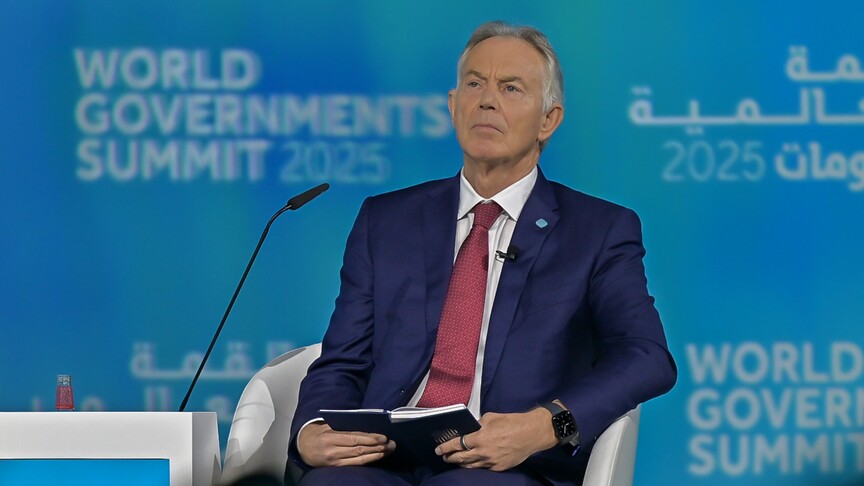
Former British Prime Minister Tony Blair pointed out that President Donald Trump's plan for Gaza contributed to halting the war; however, the humanitarian situation remains extremely fragile. The residents of Gaza are suffering from acute shortages of shelter, healthcare, and clean water, making their daily lives filled with challenges.
In his statements, Blair clarified that conditions in Gaza require urgent intervention, as many people live in harsh circumstances. He emphasized that the basic needs of the population, including sanitation services, are still inadequately met, exacerbating their daily suffering.
Details of the Situation
Blair's remarks come at a sensitive time, as Gaza continues to bear the brunt of the ongoing conflict. Despite international efforts to halt the fighting, the humanitarian conditions are deteriorating rapidly. Blair noted that many humanitarian organizations are working to provide assistance, but logistical and political challenges hinder these efforts.
He also added that there is an urgent need to provide humanitarian aid to the population, indicating that the situation requires a swift response from the international community. He stressed that international support must go beyond food aid to also include improvements in health and water infrastructure.
Background & Context
The conflict in Gaza dates back decades, with the region witnessing escalating tensions between Palestinian factions and Israel. Repeated wars have led to significant destruction of infrastructure, making daily life for residents increasingly difficult. In recent years, there have been growing international calls to end the conflict and achieve sustainable peace.
The humanitarian crisis in Gaza has been a focal point for many international organizations, which have been advocating for a comprehensive approach to address the root causes of the conflict. The ongoing instability has led to a cycle of violence that affects not only the local population but also the broader region.
Impact & Consequences
The humanitarian situation in Gaza directly impacts regional stability. As humanitarian suffering continues, the likelihood of renewed conflict increases, which could have negative repercussions for neighboring countries. The stability of Gaza is considered a crucial part of regional security, as any escalation could affect relations between Arab nations and Israel.
Moreover, the ongoing crisis poses a risk of creating a larger humanitarian disaster that could lead to mass displacement and further instability in the region. The international community must recognize the urgency of the situation and act accordingly to prevent a worsening of the crisis.
Regional Significance
The humanitarian conditions in Gaza serve as an indicator of regional instability, necessitating urgent international attention. The interconnectedness of the region means that the plight of Gaza's residents is not just a local issue but a matter of global concern.
In conclusion, the situation in Gaza remains precarious, and without immediate and sustained international intervention, the potential for further conflict and humanitarian disaster looms large. The international community must prioritize the needs of Gaza's population to foster a more stable and peaceful future.