Shipping traffic in the Hormuz Strait has sharply declined, with the number of passing vessels dropping to unprecedented levels since the onset of the crisis between the United States and Iran. Reports indicate that the strait has become 'almost closed,' with the daily number of crossing vessels ranging between 5 and 8, compared to 135 to 145 vessels before the crisis.
This decline occurs amid a dual blockade imposed by Washington, which includes preventing and intercepting dozens of ships, while Iran has taken field actions such as detaining vessels and firing at others. This dynamic reflects a complex escalation affecting one of the most vital arteries of global trade.
Event Details
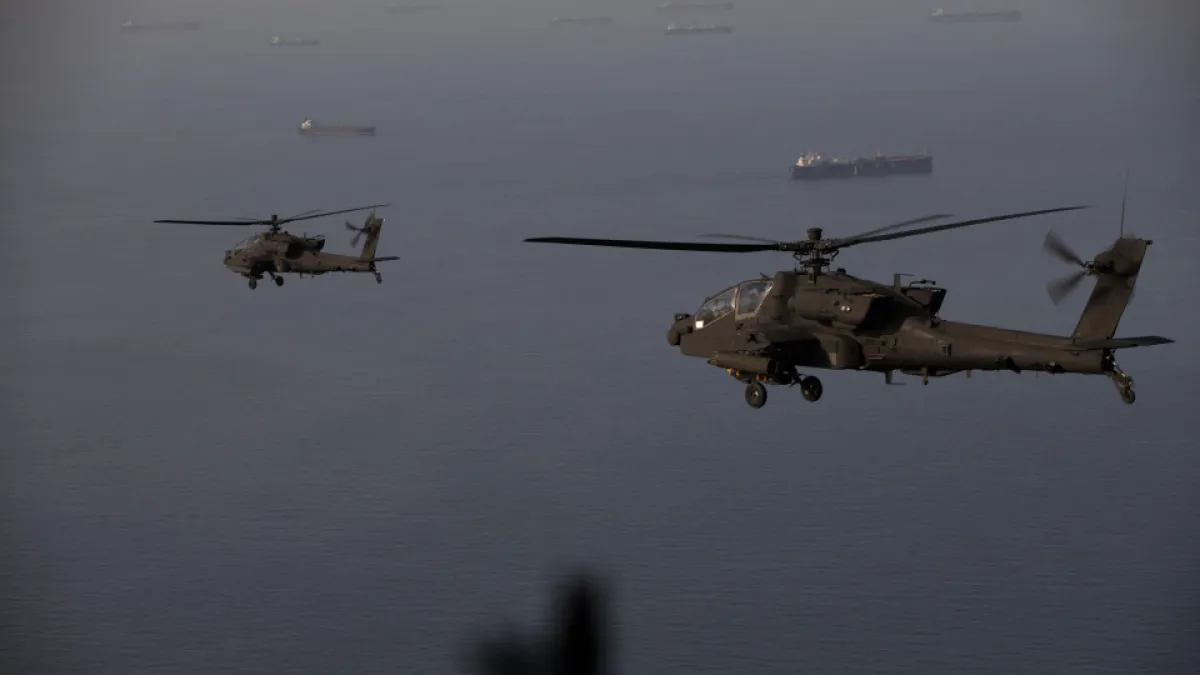
In light of these developments, US President Donald Trump stated that his country 'does not need' the Hormuz Strait, urging those who rely on it to defend it. However, these statements contrast with the increasing US military movements in the region, including the deployment of mine-clearing ships and enhancing naval presence.
This contradiction highlights a clear gap between political rhetoric and strategic reality, as data confirms that Washington considers the strait a security and economic priority that cannot be compromised. Strategic affairs expert Major General Mohamed Abdel Wahid emphasized that the United States 'desperately needs this strait,' pointing to its importance as part of an international geopolitical game.
Background & Context
The strait is not merely a transit route for oil; it is part of an international geopolitical game for control over chokepoints, allowing the United States and China to compete for maritime routes. Washington understands that any disruption in the strait could lead to rising oil prices and affect financial markets, creating international pressure on it.
Iran, for its part, has leveraged this American awareness by proposing through intermediaries to fully open the strait in exchange for halting the war and lifting the blockade. This proposal reflects Tehran's understanding of the pressure the strait represents on the United States, especially amid internal criticisms and pressures from its allies.
Impact & Consequences
At the same time, reports have noted the passage of the Japanese oil tanker 'Idemitsu' through the Hormuz Strait, a rare move under the current circumstances. Meanwhile, the US Central Command announced the prevention of an Iranian ship named 'Stream' from continuing its course, as part of broader operations that included blocking about 38 cargo and oil tankers.
Discussions are increasing regarding escorting ships and mine clearance, with the US Secretary of Energy stating that the strait could be opened without clearing all mines. These statements reflect the complexity and sensitivity of this issue, amid exchanges of statements between Washington and Tehran regarding it.
Regional Significance
These developments underscore the importance of the Hormuz Strait as a vital link for international trade, through which approximately 20% of the world's total oil passes. Any disruption in shipping traffic could directly affect oil prices and financial markets in the region.
In conclusion, the situation in the Hormuz Strait remains under scrutiny, with increasing fears of further escalation that could impact regional and international stability.