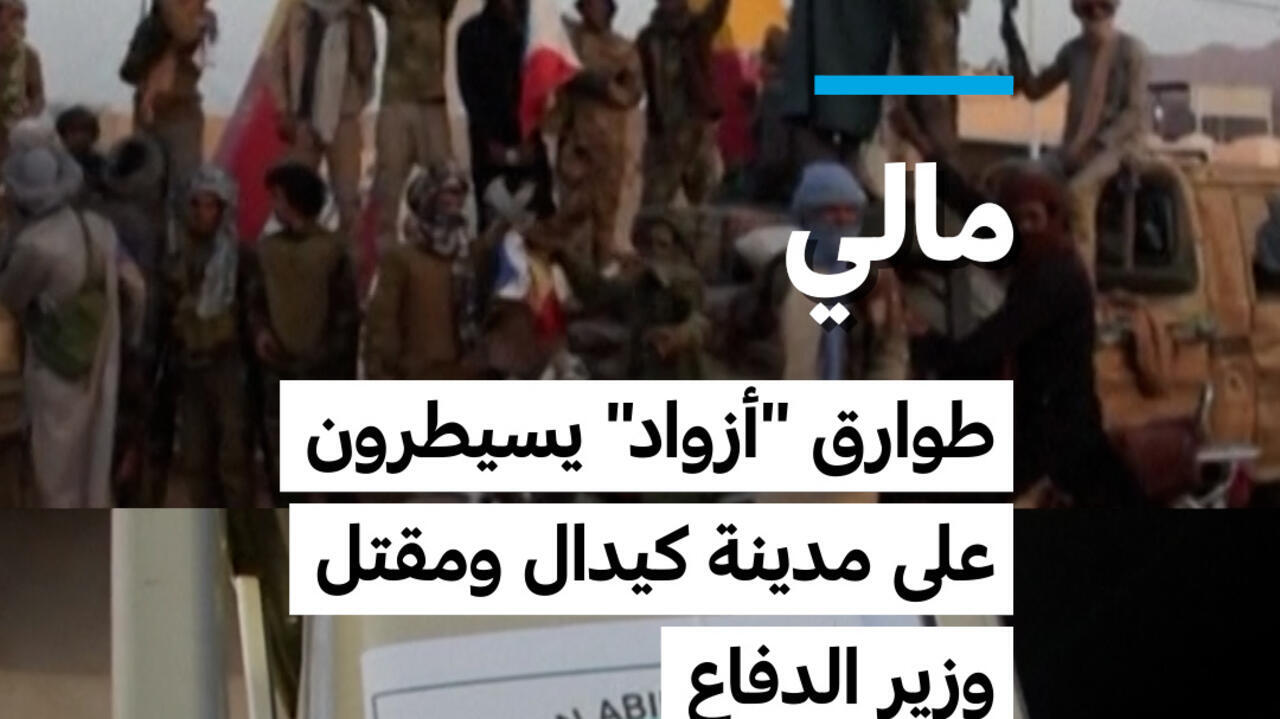
Local sources have reported that the Tuareg, allied with armed groups, have successfully seized the strategic city of Kidal in northern Mali, triggering a state of anxiety and anticipation across the country. This takeover followed two days of intense fighting with the Malian army, where footage emerged showing army personnel detained by Tuareg forces, reflecting the deteriorating security situation in the region.
In a tragic turn of events, the Malian Defense Minister, General Sadio Kamara, aged 47, was killed during these confrontations, marking a significant blow to the military government that has been in power. These developments come at a sensitive time, as Mali had severed ties with France and begun strengthening its relations with Russia, complicating the political and security landscape in the country.
Details of the Incident
The city of Kidal is considered a strategic hub in northern Mali, home to Tuareg populations seeking autonomy. The control of the city reflects escalating tensions between armed groups and the Malian army, which has struggled to maintain authority in the northern regions. The recent clashes have resulted in numerous casualties, raising fears of a larger escalation in the conflict.
Reports indicate that the Tuareg have managed to exploit the security vacuum left by the army, making it challenging to regain control of the city. Additionally, the death of the Defense Minister underscores the magnitude of the challenges facing the military government, which is striving to restore stability in the country.
Background & Context
Historically, Mali has endured ongoing conflicts between the government and armed groups, particularly in the north. Since 2012, the country has witnessed a Tuareg rebellion, leading to an international military intervention led by France. However, the situation has not significantly improved, as armed groups continue to carry out operations, exacerbating humanitarian conditions.
In recent years, the Malian government has taken steps to bolster its relations with Russia, raising concerns within the international community. These new ties may influence regional dynamics, especially given the increasing Russian influence in Africa.
Impact & Consequences
The recent events in Kidal signal a rise in tensions in Mali and could exacerbate the security situation in the country. The death of the Defense Minister may weaken the military government's position, increasing the chances for armed groups to achieve their objectives. Furthermore, the control of Kidal could encourage other groups to take similar actions, heightening chaos in the region.
Regionally, these developments may affect neighboring countries, particularly in light of rising security threats. Neighboring nations are likely to seek to enhance their security cooperation to address new challenges, potentially leading to changes in regional security policies.
Regional Significance
The situation in Mali is of particular importance to the Arab region, as the stability of North Africa directly impacts regional security. The rising tensions in Mali could lead to an increase in illegal migration towards European countries, placing additional pressure on European governments.
Moreover, the strengthening of ties between Mali and Russia may raise concerns among Arab nations regarding the growing Russian influence in the region, necessitating a reevaluation of security and political cooperation strategies.
In conclusion, the situation in Mali remains complex, requiring both international and local efforts to find sustainable solutions. Recent events indicate that security challenges will continue to affect the future of the country and the region as a whole.