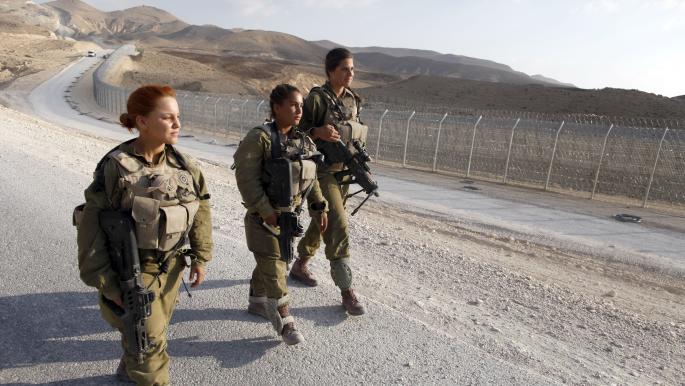
The Israeli Supreme Court has issued a ruling mandating the integration of female soldiers into the armored corps, sparking widespread debate within Israeli society. Numerous rabbis have deemed this decision a threat to religious and social values, arguing that gender mixing in the military could negatively impact traditional Jewish principles.
Rabbis from various streams of Judaism have expressed their concerns regarding the implications of this ruling on cultural and religious identity. A prominent rabbi emphasized that this decision contradicts Jewish teachings that advocate for gender separation in certain contexts.
Details of the Ruling
The ruling followed a lawsuit filed by a group of female soldiers who demanded their right to serve in the armored corps, reflecting the social and cultural changes occurring within Israeli society. While some view this decision as a positive step towards achieving gender equality, others believe it threatens religious values.
The rabbis who criticized the ruling affirmed their commitment to continue advocating for gender separation in the military, indicating that this is an integral part of the cultural and religious identity of the Jewish people.
Background & Context
Historically, there has been resistance from certain religious circles against the integration of women into combat units. However, recent years have seen notable changes, with women being allowed to join various combat units, reflecting the pursuit of equality across all fields.
This shift in policy aligns with broader societal trends towards gender equality, yet it remains contentious among those who hold traditional views. The debate highlights the ongoing struggle between modernity and tradition within Israeli society.
Impact & Consequences
This ruling could have far-reaching effects on the Israeli military and society at large, potentially leading to changes in the organization of military units and interactions among soldiers. It may also open the door to further discussions regarding women's rights and exacerbate divisions between religious and secular communities.
As the military adapts to this new policy, the implications for unit cohesion and operational effectiveness will be closely monitored. The decision could serve as a catalyst for more extensive reforms within the armed forces.
Regional Significance
The integration of female soldiers into combat roles is not just an internal issue for Israel; it resonates throughout the region, where gender roles in the military are often a reflection of broader societal norms. This decision may influence other countries in the region to reconsider their own policies regarding women in the military.
Ultimately, the ongoing discourse surrounding this ruling underscores the complexities of balancing religious beliefs with the push for gender equality in a rapidly changing society.