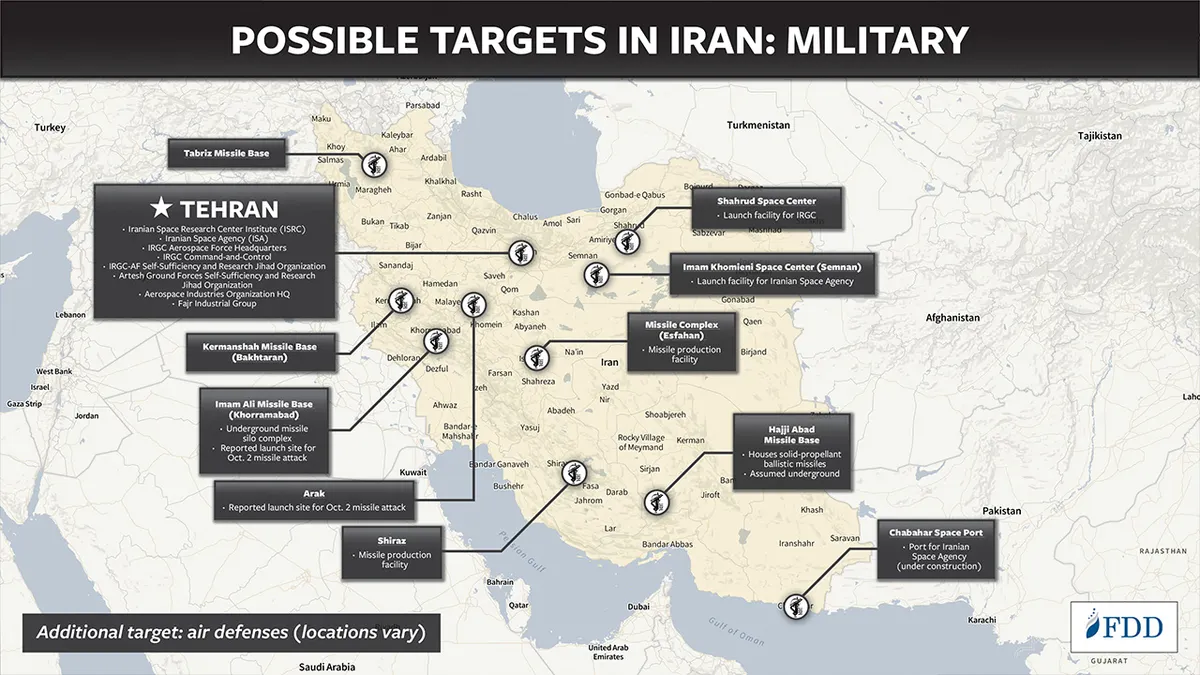
Discussions are intensifying regarding a potential American ground invasion of Iran. A new analysis outlines five possible scenarios, highlighting the significant risks associated with each option. Amid escalating tensions between the United States and Iran, military options have become a vital topic in strategic circles, raising questions about how any potential military action could be executed.
Washington appears to have multiple options, ranging from entering through the Strait of Hormuz, or from the Arabian Gulf and the Gulf of Oman, to the western Iranian borders. However, the analysis indicates that Iranian geography does not provide an easy entry point, as all options essentially represent traps that carry the risk of widespread escalation.
Event Details
Arsh Resingad, a visiting assistant professor at Tufts University, explained in his analysis published in Foreign Policy magazine that any attempt at a ground invasion would face significant challenges. For instance, the small island of Khark, considered the lifeline of Iranian oil, may seem like an enticing target to quickly cripple the Iranian economy. However, targeting it could disrupt global energy markets and provoke Iran to retaliate by striking oil facilities in neighboring countries, dangerously expanding the scope of the conflict.
The Strait of Hormuz is regarded as the most internationally sensitive area, through which approximately one-fifth of the world's oil supplies pass. Controlling this strait is not easy and would require extensive military operations, including the destruction of Tehran's coastal defenses, which could lead to a long and costly war.
The islands of Abu Musa, Greater Tunb, and Lesser Tunb form a strategic western gateway to the Strait of Hormuz, but controlling them would not yield decisive strategic gains and could instead escalate the conflict due to their association with a sovereignty dispute with the UAE.
Context and Background
In another context, the Chabahar axis in southeastern Iran is considered a potential option, as Chabahar Port is one of Iran's most important maritime outlets to the Indian Ocean. However, this option suffers from its distance from Iran's political and economic centers, meaning that any military advance through it would require a long time and high logistical costs.
The fifth scenario involves American forces entering through the Abadan-Khorramshahr axis, which is the closest land route to vital and oil-rich areas. However, this route crosses Iraq, making it susceptible to attacks from Iran-aligned armed groups, potentially turning Iraq into a parallel war zone.
Implications and Effects
The analysis confirms that any attempt to conduct an air landing in Tehran or strike nuclear facilities could quickly devolve into a war of attrition. Iran has trained for decades in asymmetric warfare, making any American military intervention fraught with risks.
Ultimately, the United States faces two bitter options: limited operations that will not break the will of the Iranian regime, or a full-scale invasion that could lead to an uncontrollable escalation, including the closure of other vital straits like Bab el-Mandeb and a collapse of the global energy market.
Impact on the Arab Region
The repercussions of these scenarios extend beyond Iran, potentially affecting the stability of the entire Arab region. Any military escalation could destabilize security in Gulf states and heighten tensions between Arab nations and Iran. Additionally, any disruption in energy markets will impact the global economy, necessitating that Arab nations adopt strategic positions to confront these challenges.
In conclusion, an American ground invasion of Iran remains a complex option, fraught with grave risks, necessitating a careful study of all potential scenarios.