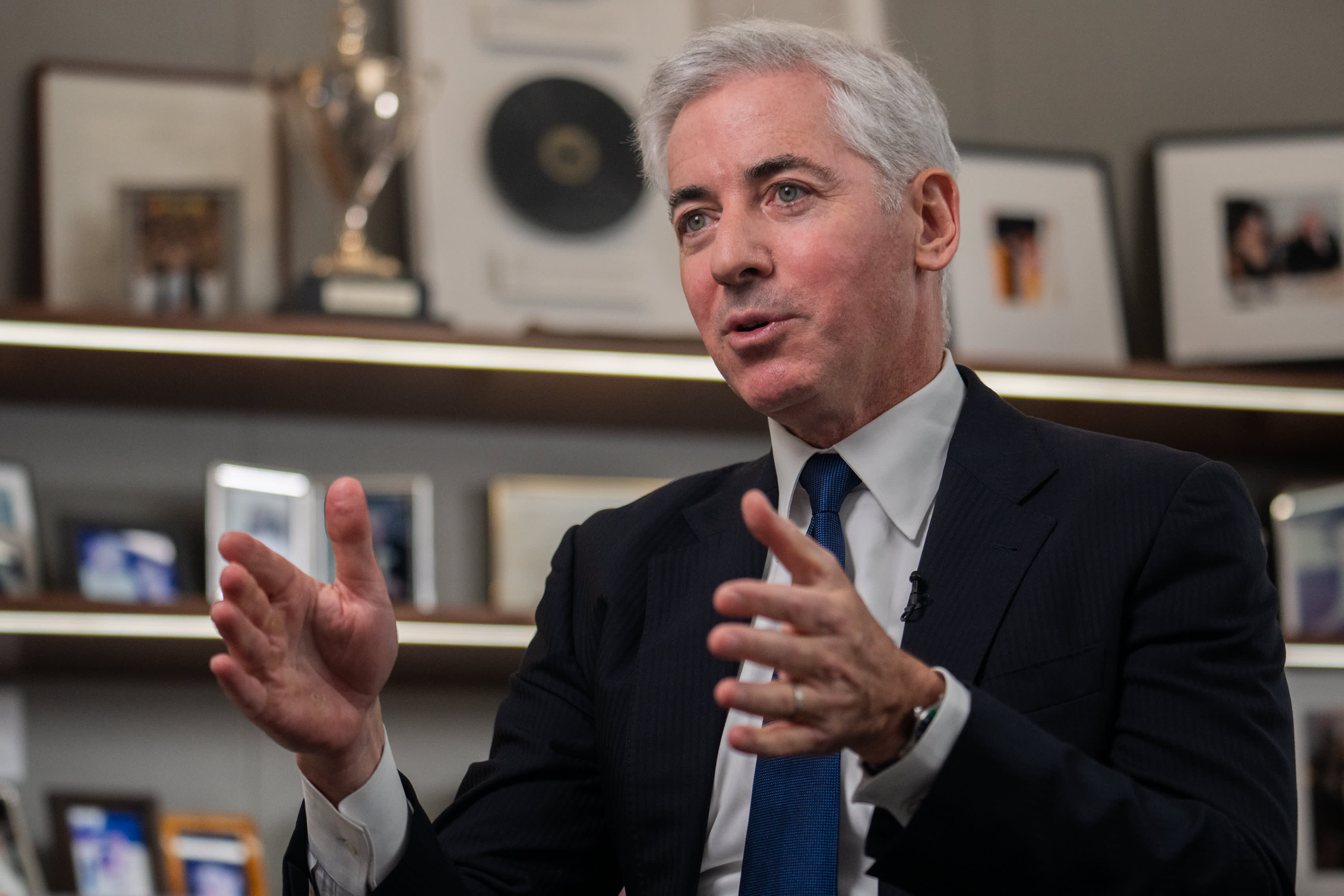
Billionaire investor Bill Ackman, one of the most prominent investors in the world, has stated that American stock markets have become 'very cheap' amid rising tensions linked to a potential conflict with Iran. This statement was made during Ackman's remarks, where he urged investors to disregard the negative fears promoted by some analysts.
Ackman pointed out that the current situation in the markets reflects a significant investment opportunity, as valuations of American stocks have not been this low in a long time. As geopolitical tensions escalate, Ackman believes this could be the right time to enter the market.
Details of the Situation
Ackman's comments come at a time when global markets are experiencing sharp fluctuations due to fears of escalating conflict in the Middle East, particularly following hostile statements between the United States and Iran. These tensions have led to declines in stock indices across many markets, prompting numerous investors to adopt negative positions.
Despite these pressures, Ackman believes there are significant opportunities for investment in American stocks, as many major companies offer attractive valuations. He noted that investors who ignore the current pressures may find themselves in a better position in the long run.
Background & Context
Historically, financial markets have seen significant fluctuations due to geopolitical events, as conflicts in the Middle East often impact oil prices and global financial markets. In recent years, there have been multiple tensions between the United States and Iran, affecting market stability.
Iran is considered one of the largest oil producers in the world, and any escalation in tensions could significantly impact oil prices, which in turn reflects on financial markets. However, some analysts believe that these pressures may create investment opportunities for investors looking to capitalize on temporary price declines.
Impact & Consequences
Ackman's statements emphasize the importance of looking at the bigger picture when making investment decisions. While some may feel apprehensive about the current tensions, the opportunities presented by American stocks may be very enticing. It is crucial for investors to adopt long-term strategies rather than being swayed by momentary fears.
Moreover, these tensions may lead to increased volatility in the markets, meaning that investors may need to be more cautious in their strategies. Nevertheless, Ackman stresses that the American market remains strong and has the potential to recover.
Regional Significance
The financial markets in the Arab region are particularly sensitive to geopolitical developments, especially those related to Iran. Any escalation in conflict could affect oil prices, which would impact the economies of Arab countries that heavily rely on oil revenues.
At the same time, these tensions may provide opportunities for Arab investors to benefit from declines in global markets. It is important for investors in the region to stay informed about developments and make informed decisions based on thorough analysis.
In conclusion, amid the current tensions, investing in American markets remains an attractive option for many investors. However, there must be an awareness of potential risks, and decisions should be made based on a comprehensive market analysis.