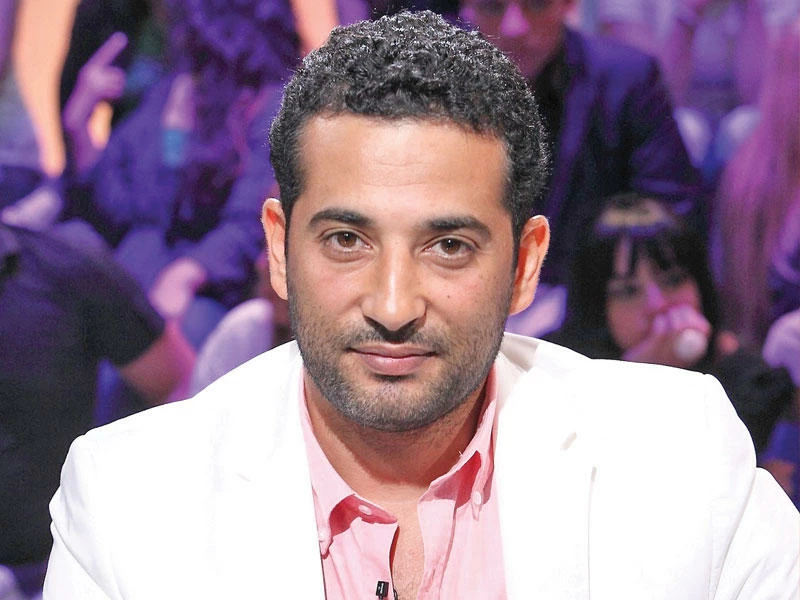
Egyptian artist Amr Saad has acknowledged the error in his previous statements regarding his top ranking in viewership during the last Ramadan season. He retracted his claims of being at the top of the list for the most viewed and highest-paid in Ramadan 2026 drama, affirming that what he said was misplaced.
During his appearance on the program "Al-Hekaya" with host Amr Adib, Saad stated: "I felt after the statement that it was not appropriate to talk about such matters, especially since I do not see myself as one of the social media stars who discuss viewership numbers or competition directly." He pointed out that actual viewership rates are not officially announced to the public, despite channels and advertising agencies having access to this data, questioning why it is not made clear to viewers.
Details of the Event
Amr Saad added that his previous statement stemmed from a personal challenge, particularly after a career spanning over a decade, during which he sought to present popular works based on traditional attraction elements. He confirmed that he decided to change this path in the series "Ifraaj", explaining that the work represents an attempt to return to drama based on acting performance.
Saad drew inspiration from classic works such as "Al-Daw' Al-Sharid" and "Layali Al-Helmeya", noting that this experience carried a degree of risk. Nevertheless, he concluded his remarks by affirming that the work achieved high viewership rates according to the figures he received, but stressed that announcing such data is not his responsibility, considering that such information should only be released by the relevant authorities.
Background & Context
Ramadan drama is a prominent annual event in the Arab world, where many artists and producers compete to attract viewers. With the increasing use of digital streaming platforms, measuring viewership rates has become more complex, raising questions about transparency in this field.
Amr Saad, who began his artistic career in the early 2000s, has become one of the leading stars of Egyptian drama. However, his statements regarding viewership may reflect the pressures artists face amid fierce competition in this sector.
Impact & Consequences
Saad's retraction of his statements may affect his public image, as admitting a mistake is a rare step in the art world. This retraction may also reflect the artist's desire to maintain his credibility with his audience.
Moreover, this retraction could open discussions about how success in drama is measured, and whether the numbers announced by channels truly reflect reality. Given the many dramatic works competing for viewers, transparency in viewership rates may be essential to build trust between artists and the audience.
Regional Significance
Artists' statements regarding viewership rates are part of the artistic culture in the Arab world, where audiences passionately follow dramatic works during Ramadan. Amr Saad's retraction may influence how other artists handle such topics and may encourage them to speak more openly about the challenges they face.
Ultimately, the question remains open regarding how success is measured in the art world and whether the numbers truly reflect the quality of the presented works. With increasing competition, it will be important for artists to focus on delivering content that resonates with viewers' hearts rather than just being preoccupied with numbers.