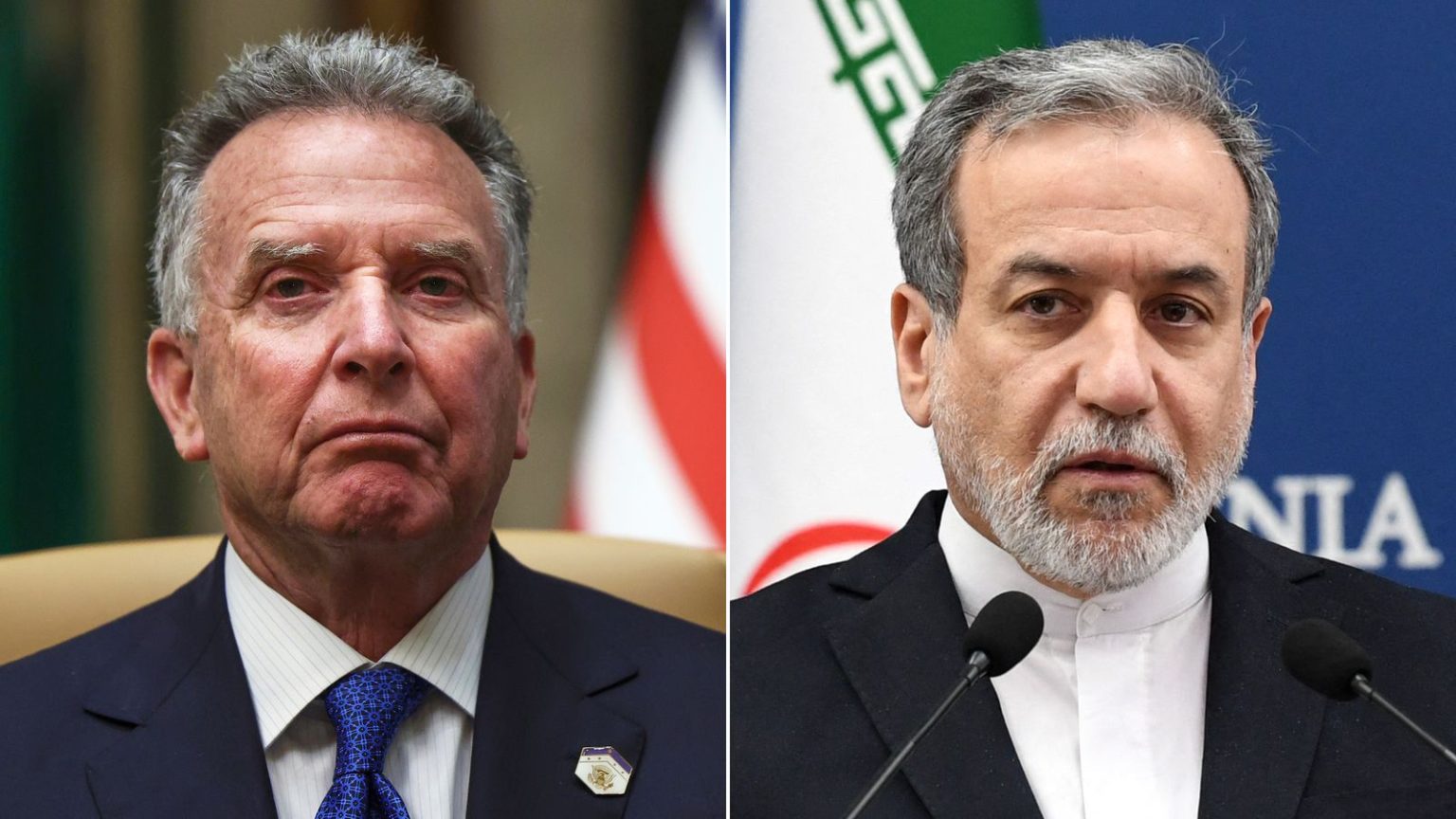
The international arena is witnessing rapid developments concerning Iran's nuclear file, with conflicting indicators raising questions about the potential for a comprehensive agreement or a slide into new escalation. While major powers seek to resume negotiations, Tehran's positions indicate its unwillingness to make significant concessions.
These developments coincide with rising tensions in the region, as Iran continues to enhance its nuclear program, alarming Western nations. In this context, intelligence reports have confirmed that Iran may be close to achieving an advanced level of uranium enrichment, intensifying fears of its potential development of nuclear weapons.
Details of the Event
Recently, discussions between Iran and major powers, including the United States, have shown a divergence of opinions regarding the conditions for returning to the nuclear agreement. While Tehran continues to assert its right to develop its nuclear program, Western nations demand adherence to the terms of the previous agreement, reflecting the significant gap between the two sides.
Despite the efforts made by international mediators, major obstacles still hinder progress in negotiations. These obstacles include issues related to the sanctions imposed on Iran, as well as concerns over Iran's regional activities, which Western nations view as a threat to regional security.
Background & Context
The roots of the Iranian nuclear crisis date back to 2002, when the existence of secret nuclear facilities was revealed. Since then, Iran has engaged in a series of negotiations with major powers, culminating in the signing of the nuclear agreement in 2015. Following the United States' withdrawal from the agreement in 2018, Iran began taking gradual steps to reduce its commitments, leading to escalating tensions.
Iran views its nuclear program as part of its sovereign rights, while Western nations perceive this program as a threat to international security. These dynamics have complicated negotiations, as each party seeks to achieve its own interests.
Impact & Consequences
If negotiations continue on their current path, this may lead to heightened tensions in the region, increasing the likelihood of military conflict. Additionally, the failure of talks could negatively impact the Iranian economy, which is already suffering from international sanctions.
On the other hand, reaching an agreement could ease tensions, providing Iran with an opportunity to improve its relations with the international community. However, the question remains: will the parties be able to bridge the significant gaps in their positions?
Regional Significance
Developments in Iran's nuclear file have a direct impact on security and stability in the Arab region. An increase in Iranian nuclear activities could lead to an arms race in the region, as other countries may seek to develop their own nuclear programs as a means of countering potential threats.
Moreover, any escalation in tensions could affect trade movements and regional security, negatively impacting Arab economies. Therefore, monitoring developments in Iran's nuclear file remains crucial for Arab nations.
In conclusion, the fate of negotiations regarding Iran's nuclear file hangs in the balance between hope for an agreement and fear of new escalation. The ability of the parties to overcome current obstacles will determine the future of the entire region.