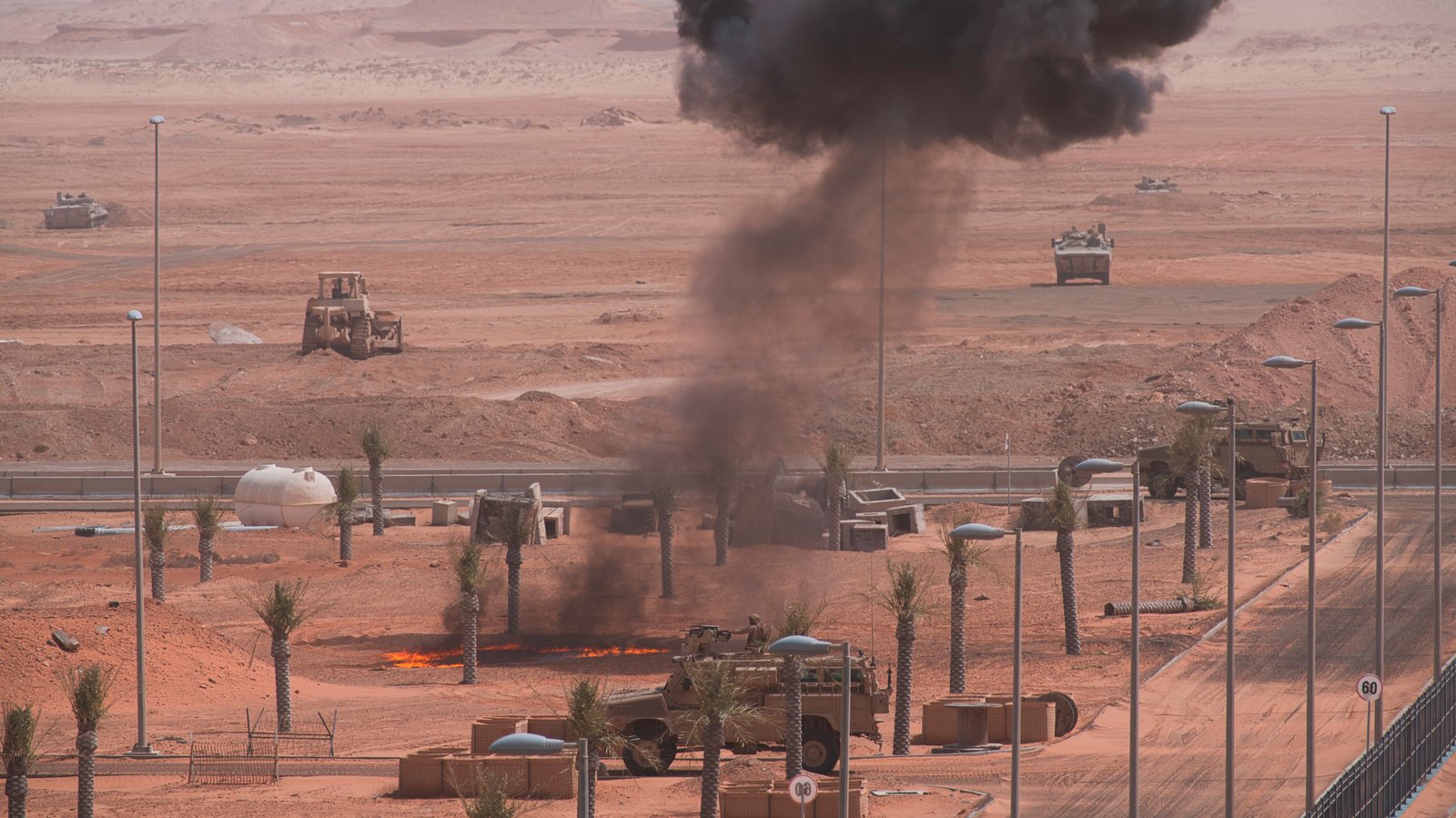
Concerns are rising over escalating tensions between the United States and Iran, with recent developments indicating a potential military conflict. This situation is exacerbated by increasingly hostile statements from both sides, raising international worries about stability in the Middle East.
In recent days, relations between Washington and Tehran have seen a notable escalation, with the United States deploying additional troops to the region, a move that Iran perceives as a direct threat to its national security. In response, Iran has asserted that it will retaliate against any aggression, further intensifying the tensions.
Details of the Incident
The recent events include a series of military skirmishes, where US forces conducted show-of-force operations in the waters of the Arabian Gulf, while Iran responded by launching test missiles in areas close to maritime borders. These military maneuvers reflect an increase in preparations from both sides, raising the likelihood of unexpected clashes.
Moreover, intelligence reports have indicated that Iran may be accelerating its nuclear program development, which has raised additional concerns in Washington. In this context, the US administration is seeking to bolster its alliances with Arab countries in the region to counter the potential Iranian threat.
Background & Context
The roots of the tensions between the United States and Iran date back decades, with significant deterioration in relations since the Iranian Revolution in 1979. Since then, the United States has taken multiple actions against Iran, including imposing harsh economic sanctions that have significantly impacted the Iranian economy.
In recent years, relations between the two parties have become more complicated, especially following the US withdrawal from the Iranian nuclear deal in 2018. This decision led to an escalation of tensions, as Iran began violating some terms of the agreement, increasing international concerns regarding its nuclear program.
Impact & Consequences
If tensions continue to escalate, it could lead to severe consequences for regional and international security. Any military confrontation is likely to destabilize the region, affecting oil prices and global markets.
Additionally, military escalation could result in a flow of refugees from conflict areas, increasing the burden on neighboring countries and impacting their stability. Furthermore, other international powers may intervene in the conflict, complicating the situation further.
Regional Significance
The Arab countries neighboring Iran and the United States are at the heart of these tensions, as they may be directly affected by any military escalation. Countries like Iraq, Syria, and Lebanon could find themselves in a precarious position, facing risks of direct or indirect conflict.
Moreover, these tensions could impact peace efforts in the region, as discussions among various parties may stall due to preoccupations with the potential conflict. In this context, Arab countries must take proactive steps to secure their national interests and enhance regional cooperation.
In conclusion, the situation in the Middle East remains complex, with rising fears of a new conflict between the United States and Iran. Intensive diplomatic efforts are required to avoid escalation and achieve stability in the region.