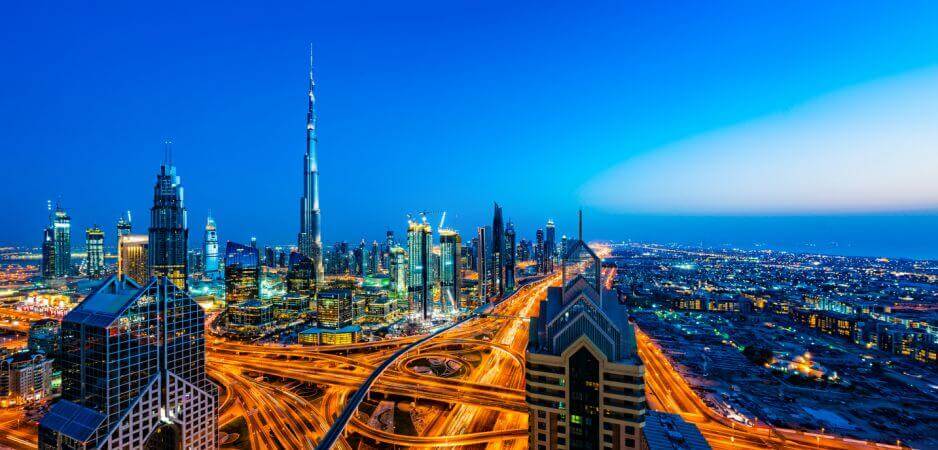
The ongoing events in the Gulf region are becoming increasingly significant, as political, economic, and social dimensions intertwine rapidly. In this context, this article highlights the most important developments taking place in the region, providing in-depth analyses of their implications.
The Gulf region is considered one of the most dynamic areas in the world, playing a pivotal role in international politics and the global economy. With rising regional tensions, there is a growing need for a deeper understanding of the events shaping the future of this area.
Details of Recent Events
Recent events in the Gulf include a range of political developments, such as changes in relationships between countries, new economic agreements, and social challenges facing Gulf societies. For instance, the relationships between some Gulf countries have seen a noticeable improvement, reflecting a desire to enhance regional cooperation.
Moreover, there is an increasing interest in investments in vital sectors such as renewable energy and technology, contributing to economic growth. However, challenges remain, especially in light of political crises that could affect stability in the region.
Background & Context
Historically, the Gulf region has witnessed many significant transformations, from the discovery of oil in the twentieth century to the political and social changes experienced by Gulf countries in recent years. This historical background plays an important role in understanding current events, as many contemporary issues trace their roots back to previous conflicts and radical changes in policies.
Furthermore, the influence of global powers on the region cannot be overlooked, as major powers seek to enhance their influence in the Gulf, complicating the political landscape. This interplay between local and international interests poses a significant challenge for decision-makers in Gulf countries.
Impact & Consequences
The consequences of the current events in the Gulf are manifold, potentially affecting political and economic stability in the region. For example, political tensions may lead to a decline in foreign investments, negatively impacting economic growth.
Social issues, such as human rights and political freedom, remain central to discussions about the future of the Gulf. These issues could lead to popular protests and internal tensions, further complicating the overall situation in the region.
Regional Significance
The effects of events in the Gulf are not limited to Gulf countries alone; they extend to the Arab region as a whole. Political and economic changes in the Gulf impact neighboring countries, whether through trade relations or political alliances.
For instance, Gulf investments in other Arab countries may enhance economic growth in those nations, while tensions could destabilize the region. Therefore, understanding events in the Gulf is essential for anyone following Arab affairs.
In conclusion, the Gulf region remains a center for many significant events that require careful monitoring and deep analysis. Understanding these events and their impacts can help guide future policies and strategies, both locally and regionally.