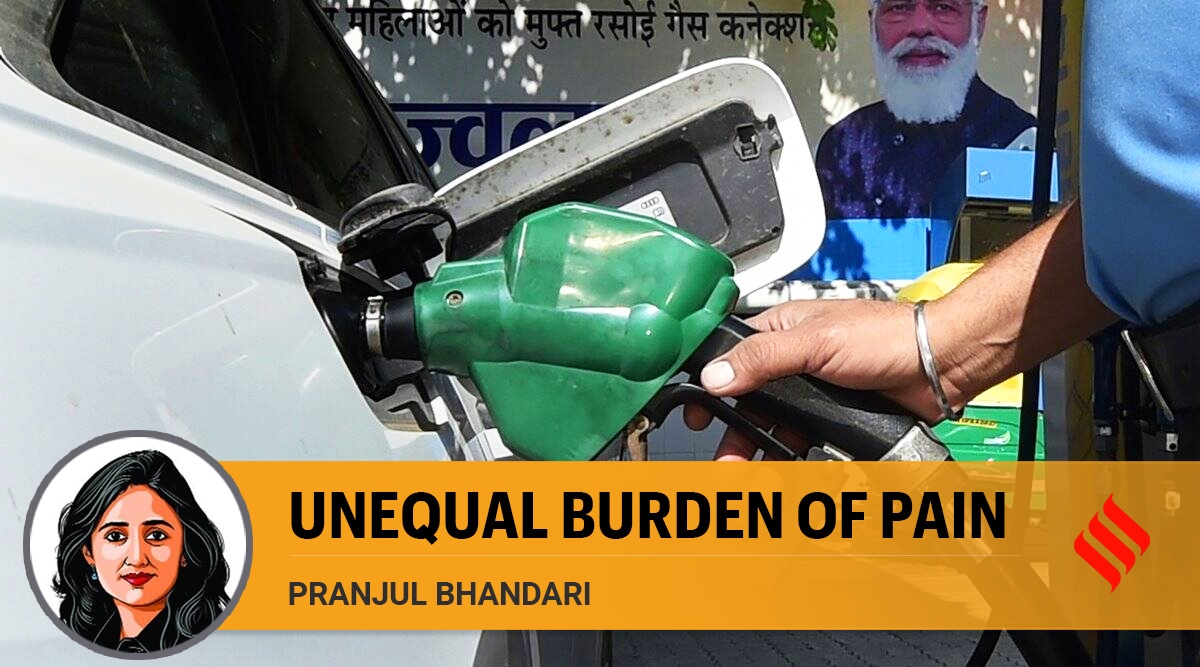
The current oil shock is an unprecedented event in the economic world, presenting significant difficulties for governments and central banks in managing its repercussions. Although oil prices have historically experienced fluctuations, the current situation is fundamentally different from previous crises, raising questions about how to address this challenge.
Reports indicate that governments no longer possess many political tools to tackle this crisis. As oil prices rise, inflationary pressures increase, making it difficult for central banks to make effective decisions. This situation places the global economy in a precarious position, with growing fears of recession.
Details of the Event
Oil prices are rising significantly, negatively affecting the cost of living in many countries. Financial markets have experienced sharp fluctuations due to this increase, as investors seek to understand the impact of this shock on the global economy. At the same time, pressures are mounting on governments to provide effective solutions, but the available options appear limited.
Attention is turning to the monetary policies being implemented, as central banks strive to balance supporting economic growth with combating inflation. However, the rise in oil prices could exacerbate the situation, making it challenging to achieve this balance.
Background & Context
Historically, oil markets have witnessed numerous crises, from the oil shock of the 1970s to recent financial crises. However, previous crises were often accompanied by a swift response from governments and central banks, which helped restore stability. In contrast, the current situation seems to require a more complex response, as economic and political factors intertwine more significantly.
Concerns are growing that this shock may signal the beginning of a new phase of economic instability, as challenges mount for governments in managing fiscal and monetary policies. Additionally, geopolitical tensions play a role in exacerbating these crises, further complicating the landscape.
Impact & Consequences
The current oil shock is expected to affect economic growth in many countries. With rising energy costs, industrial and service sectors may be significantly impacted, leading to reduced investments and slowed growth. Additionally, rising prices may erode consumers' purchasing power, negatively affecting demand.
Fears are increasing that these conditions could lead to higher unemployment rates, as companies may need to reduce their workforce to cope with economic challenges. Countries heavily reliant on oil exports may face additional pressures, complicating the economic landscape further.
Regional Significance
The Arab region is among the most affected by rising oil prices, as many countries depend on oil revenues to finance their budgets. With increasing economic pressures, these countries may face significant challenges in achieving financial stability. Rising prices may also impact foreign investments, complicating the economic situation.
Under these circumstances, Arab governments must take effective steps to address the repercussions of the oil shock, including diversifying their economies and enhancing investments in non-oil sectors. Regional cooperation must also be strengthened to tackle shared challenges.