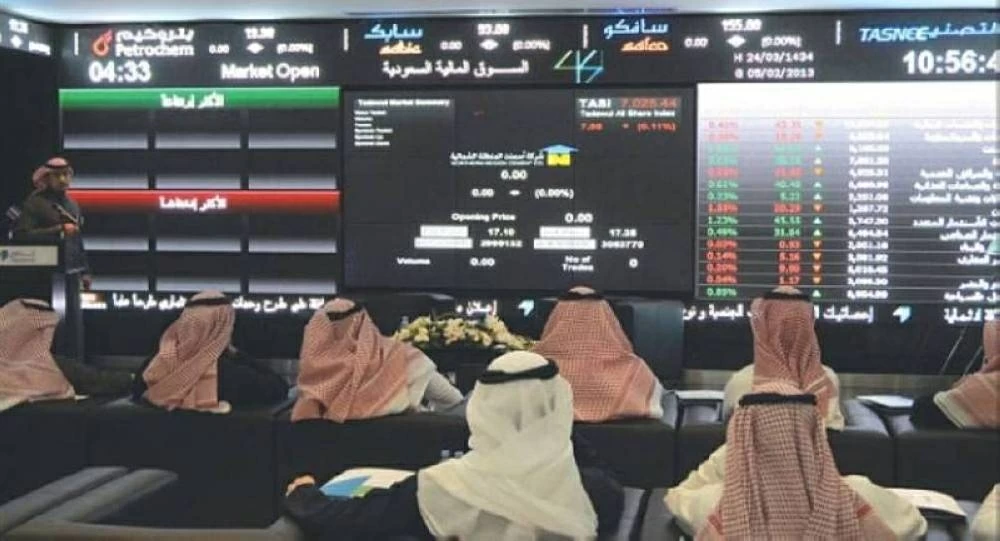
The Gulf stock markets are facing a sharp divergence in performance, with the Dubai Financial Market Index recording the worst global performance during March. The index has declined by approximately 16%, impacted by significant losses in real estate and airline stocks, including Air Arabia, amid widespread travel disruptions.
Conversely, the Muscat Stock Market Index has seen a notable increase of 10% during the month and 38% since the beginning of the year, continuing a rising trend that began in mid-2025, supported by hopes of upgrading the market to emerging market status.
Details of the Event
The stock markets in Dubai have significantly declined, as the main index recorded double-digit gains last year due to continuous inflows from capital, residents, and tourists following the COVID-19 pandemic. However, the current situation indicates a major shift, with the index becoming the worst performer globally in March.
Dubai has been particularly affected by losses in real estate stocks, which were among the main beneficiaries in recent years, as well as airline companies that have suffered from travel disruptions. These factors have led to a decline in investor confidence in the market.
Background & Context
The Gulf stock markets are a vital part of the regional economy, reflecting the performance of various economic sectors. After the COVID-19 pandemic, the region witnessed a notable recovery, but recent geopolitical and economic events, including the conflict with Iran, have negatively impacted some markets.
In Saudi Arabia, the Tadawul Index experienced a remarkable recovery in March, becoming the sixth best-performing stock exchange globally. These gains were driven by rising oil prices, which contributed to enhancing the performance of major companies such as Aramco. Additionally, the decline in security risks compared to the UAE has improved the investment environment.
Impact & Consequences
The divergence in performance among Gulf stock markets indicates the presence of both challenges and opportunities. While Dubai is experiencing a sharp decline, other markets like Muscat and Saudi Arabia are showing strong signs of recovery. This divergence may influence investor decisions and reflect a state of uncertainty in the region.
Moreover, rising oil prices are a critical factor in supporting financial markets, as any fluctuations in oil prices could directly affect the performance of Gulf markets. At the same time, the stability of security conditions in Saudi Arabia compared to the UAE may attract more investments to the Saudi market.
Regional Significance
The Gulf stock markets serve as a mirror to the Arab economy as a whole, reflecting economic and political trends in the region. The decline in Dubai may affect investor confidence in other Arab markets, while Saudi Arabia's recovery could attract more regional and international investments.
Ultimately, Gulf stock markets remain under scrutiny, as investors must closely monitor geopolitical and economic developments. The current performance divergence reflects the challenges facing the region, but it also highlights the opportunities available in other markets.