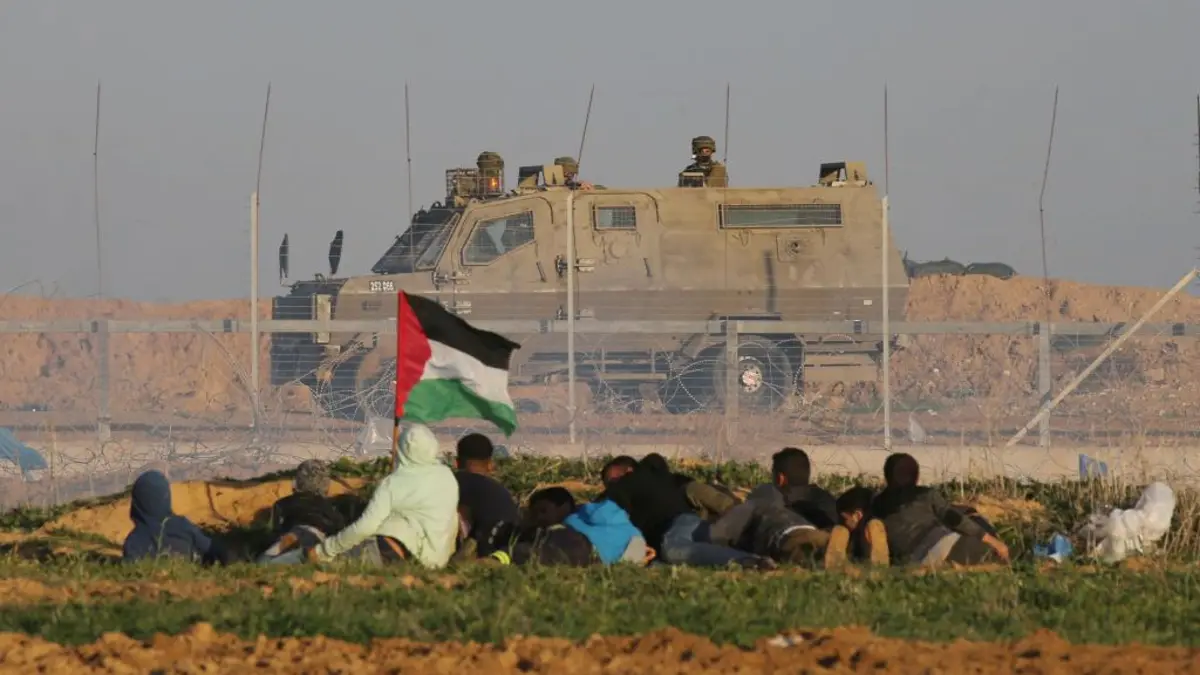
In a controversial analysis, a writer for Haaretz asserts that the recent war did not prompt a reevaluation of his views but rather reinforced his longstanding beliefs about the Israeli-Palestinian conflict. This statement comes at a time when the region is experiencing increasing tensions and ongoing conflicts, raising questions about the impact of wars on personal convictions and political stances.
The writer, whose name was not mentioned in the report, pointed out that the war was merely a manifestation of old narratives about the Israeli-Palestinian conflict, considering that the recent events only served to strengthen those narratives. This opinion reflects a state of intellectual stagnation in some circles, where some refuse to reassess their positions in light of changing circumstances.
Details of the Recent Conflict
The recent war, which erupted amid escalating tensions between Israel and Palestinian factions, witnessed mutual bombardments and extensive military operations. However, it seems that some individuals do not see these events as an opportunity to rethink traditional positions but rather view them as confirmation of what they previously believed.
This type of thinking reflects a state of polarization within Israeli society, where the divide between supporters and opponents of current policies is widening. While some call for dialogue and understanding, others insist on their steadfast positions, complicating the situation further.
Background & Context
Historically, the Israeli-Palestinian conflict has seen numerous wars and crises, which have had profound effects on communities on both sides. Since the establishment of the State of Israel in 1948, the conflict has gone through various phases of escalation and de-escalation, yet the entrenched beliefs of some individuals have not changed.
In recent years, tensions have intensified due to several factors, including Israeli settlement expansion in the West Bank, the U.S. recognition of Jerusalem as Israel's capital, and recurring incidents of violence. These factors have contributed to shaping individuals' positions, with some becoming more hardline in their views.
Impact & Consequences
The writer's analysis in Haaretz highlights the impact of wars on personal convictions and raises questions about the possibility of changing these beliefs in the future. If the situation continues as it is, it may exacerbate polarization within Israeli society, making it difficult to reach peaceful solutions.
Moreover, the persistence of this type of thinking could influence government policies, as the government may adopt more hardline stances based on public opinion. This could complicate peace efforts in the region and lead to worsening humanitarian crises.
Regional Significance
Considering the potential impacts on the Arab region, the continuation of the conflict and the lack of change in convictions may lead to worsening conditions in neighboring countries. These countries may experience negative repercussions due to increasing tensions, further exacerbating civilian suffering and affecting regional stability.
Ultimately, the question remains: will these entrenched beliefs persist amid changing circumstances, or is there a chance for change? The answer to this question may determine the future of the conflict in the region.