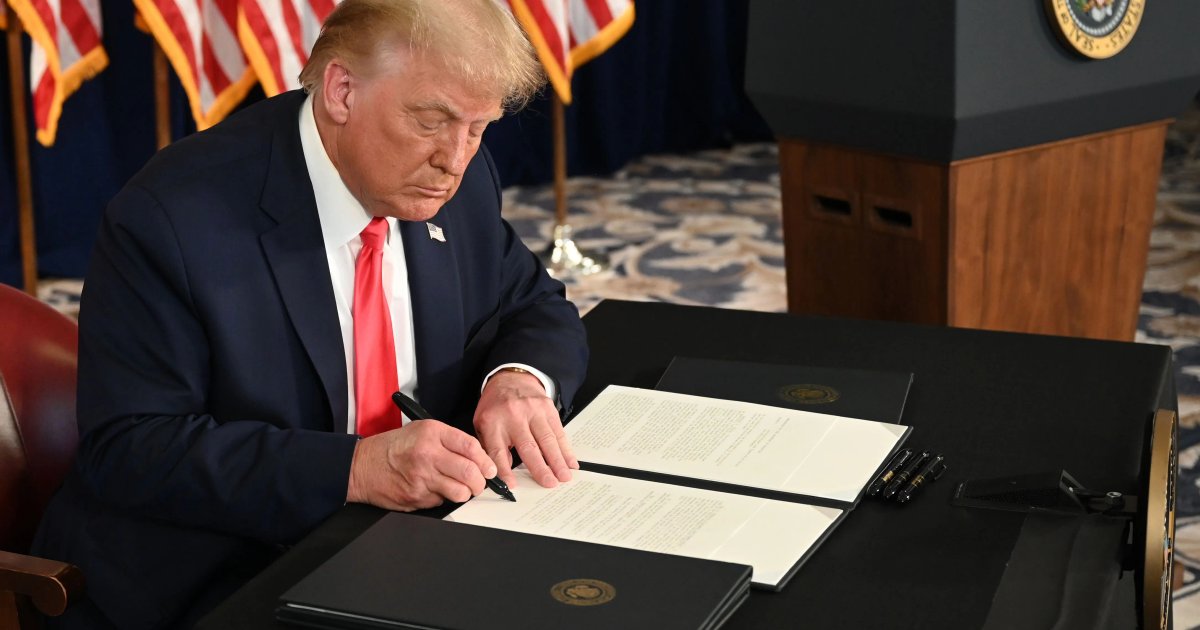
Questions are increasing about the effectiveness of the Madness Theory in American politics, particularly given the challenges faced by President Donald Trump's administration. This theory, which was employed as a strategy during Richard Nixon's presidency, has not proven successful in the past, raising concerns about its potential reapplication under current circumstances.
The Madness Theory, which relies on exhibiting unpredictable or irrational behavior as a means to influence opponents, was one of the strategies Nixon attempted to utilize during the Cold War. However, history shows that this strategy did not achieve the desired goals at that time, prompting questions about its viability today.
Details of the Current Situation
Amid escalating tensions between the United States and countries such as North Korea and Iran, Trump is seeking to employ unconventional strategies to address these challenges. Nevertheless, many analysts believe that these strategies may exacerbate the situation rather than improve it.
Concerns are growing that the use of these strategies could provoke unexpected reactions from other nations, potentially placing the United States in precarious positions. Simultaneously, some experts indicate that Trump may be more inclined to adopt these strategies due to his distinctive personality and desire to stand out in his leadership style.
Background & Context
The roots of the Madness Theory trace back to the Cold War era, where it was used as a means to manipulate minds and enhance American influence globally. During that time, this strategy was viewed as an effective way to impact opponents, but over time, its negative consequences began to emerge.
Historically, the United States has experienced numerous political crises that have affected its international reputation. From the Vietnam crisis to the Watergate scandal, there have been many attempts to employ unconventional strategies, but the outcomes have often been negative, leading many politicians to reconsider these methods.
Impact & Consequences
Analyses indicate that Trump's reliance on the Madness Theory could exacerbate international crises, as his behavior may be perceived as a direct threat to global security. Given the current tensions, this strategy might be seen as a call for escalation, increasing the likelihood of new conflicts.
Furthermore, the use of these strategies could impact American relations with its allies, as they may feel insecure amid the instability of U.S. foreign policy. This situation could weaken traditional alliances and bolster the position of adversaries.
Regional Significance
The implications of adopting the Madness Theory could extend beyond immediate political ramifications, affecting global stability and the dynamics of international relations. As the U.S. navigates these turbulent waters, the repercussions of its strategic choices will be closely monitored by both allies and adversaries.
In conclusion, understanding the potential consequences of the Madness Theory in the context of Trump's administration is crucial for grasping the complexities of contemporary global politics and their impact on international relations.