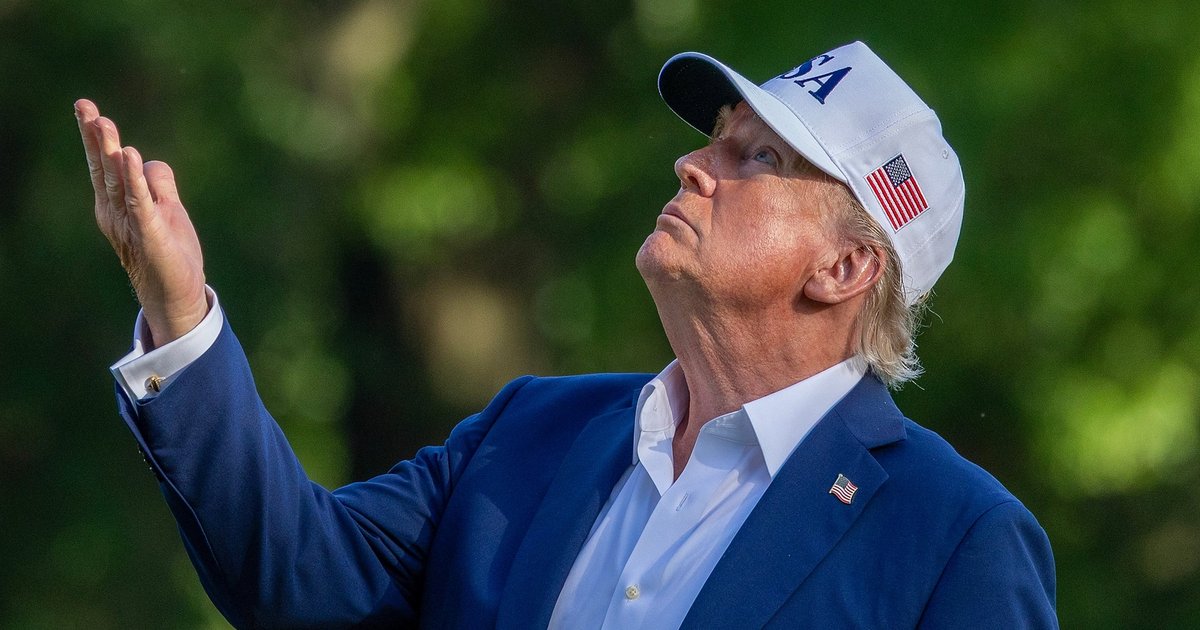
Psychological experts have revealed key traits of former U.S. President Donald Trump's personality, highlighting impulsivity and narcissism as significant characteristics. These traits shed light on his behaviors during and after his presidency. According to the experts, these characteristics have contributed to shaping his political and strategic decisions, impacting the American and global political landscape.
Impulsivity is one of the defining traits of Trump, as experts noted that he makes quick decisions without considering the consequences. This trait may be linked to his ability to attract attention, but it can also lead to unforeseen results. In many situations, Trump made decisions that sparked widespread controversy, such as withdrawing from international agreements or taking hardline stances on specific issues.
Details of the Event
Narcissism is evident in Trump's personality through his constant pursuit of admiration and recognition. Experts believe this trait may stem from his personal experiences in childhood, where he always sought to prove himself. This narcissism manifested in his public speeches and interactions with the media, where he tended to focus on his personal achievements rather than collective issues.
Furthermore, experts pointed out that Trump often ignored opposing views, reflecting his inability to accept criticism. This trait can have dire consequences for democracy, as it may undermine constructive dialogue among various political parties.
Background & Context
Historically, Trump's personality is controversial, as he played a prominent role in changing the American political landscape. Since entering the political arena, Trump has sparked much debate due to his unique communication style. These methods, characterized by boldness and impulsivity, made him a central figure in American politics, both during his presidency and after leaving the White House.
Trump's presidency is seen as a turning point in international relations, as he took strong stances on many issues, including trade and immigration. These positions not only affected the United States but also had wide-ranging impacts on relations with other countries, leading to changes in international alliances.
Impact & Consequences
The implications of Trump's personality extend beyond his presidency, as his influences remain evident in American politics. Impulsivity and narcissism have caused a sharp division within American society, affecting political stability. These divisions may lead to ongoing conflicts between political parties, hindering progress on important issues.
Moreover, these traits may foster the emergence of similar political figures in the future, potentially altering the nature of American politics. If this trend continues, we may witness more leaders characterized by impulsivity and narcissism, which could exacerbate political crises.
Regional Significance
In the Arab context, Trump's personality can affect American relations with Arab countries. Many issues, such as the Israeli-Palestinian conflict, were directly influenced by Trump's policies. Impulsivity in decision-making may exacerbate crises in the region, impacting political and economic stability.
Narcissism may also imply that Trump sought to achieve personal interests at the expense of Arab interests, potentially leading to a deterioration in relations between the United States and Arab nations. These dynamics may continue to influence American policy towards the region even after Trump leaves the White House.
In conclusion, Trump's personality remains a controversial topic, shedding light on how personal traits influence politics. Impulsivity and narcissism are not just individual characteristics; they also reflect the challenges facing democracy in the modern era.