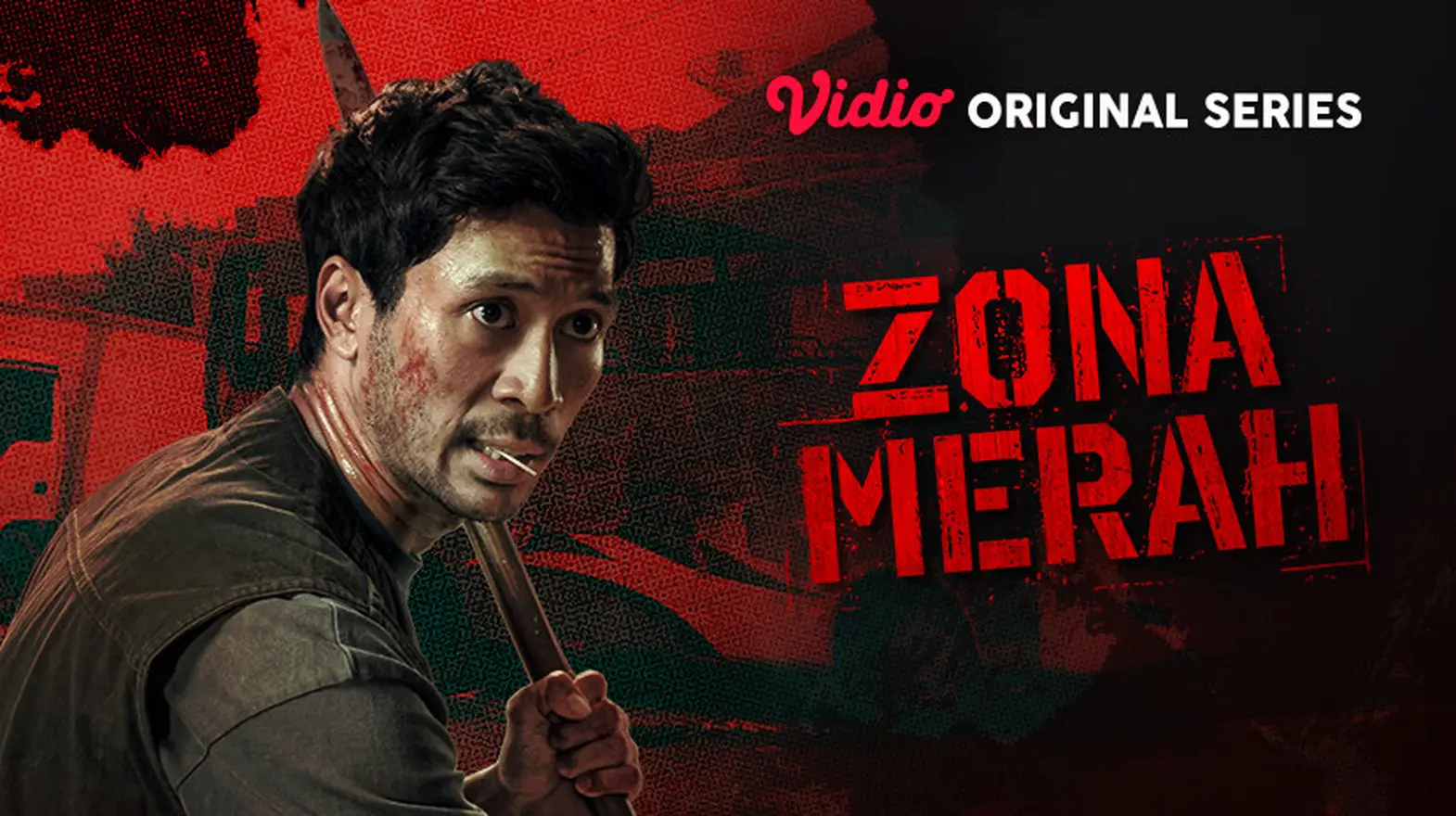
Indonesian actor Andri Mashadi revealed the challenges he faced in portraying the character 'Risang', a journalist who plays a pivotal role in the film 'Zone Mirah'. The film, characterized by its thrilling and horror elements, addresses a story related to journalism during crises, where the main character must deal with confidential information concerning prominent figures.
In a press conference held in Jakarta, Andri explained that the character 'Risang' requires strong negotiation skills when interacting with characters like 'Zainal', portrayed by actor Luqman Sardi. He mentioned that 'Risang' holds many secrets about important figures, granting him significant power in various situations.
Event Details
Andri spoke about how he prepared for the role by observing the behaviors of journalists at various events, noting the differences between bold journalists and those who are more reserved. These observations contributed to shaping the character 'Risang' and made him more realistic, enhancing the logic of the story's development in the film.
He also referred to a specific moment from the previous series that the film is based on, where his interactions with 'Zainal' felt natural and were not detailed in the script, adding a realistic touch to the scenes. These moments became pivotal in the story's development and significantly influenced audience engagement.
Background & Context
The film 'Zone Mirah' is a cinematic work that falls under the thriller and horror genre, relying on events related to zombies, with intense action scenes comprising about 80% of the film. It is a result of the success of the series of the same name, which gained widespread popularity in Indonesia.
Under the direction of Sidharta Tata and Vagar Martha Santosa, the film aims to provide a deeper and more tense cinematic experience, as the creators seek to elevate the story in terms of emotions and conflicts, making the audience feel tension and anticipation while watching.
Impact & Consequences
The film 'Zone Mirah' is considered part of a new wave of Indonesian films focusing on contemporary themes related to journalism and crises. It reflects the challenges faced by journalists in a world filled with misinformation and escalating crises, making it highly relevant to the current reality.
Additionally, the film represents an opportunity to raise awareness about the importance of journalism and its role in society, especially under difficult circumstances that countries may face. By highlighting the character 'Risang', the film reflects the ethical and professional challenges journalists encounter in their quest to convey the truth.
Regional Significance
The importance of journalism is increasing in the Arab world, where many countries face challenges similar to those addressed in the film 'Zone Mirah'. The issues tackled in the film mirror the reality of journalists in the region, who strive to convey information under challenging conditions.
The film 'Zone Mirah' could have a positive impact on the Arab audience, enhancing their understanding of the role of journalism and the importance of accurate information in confronting crises. It may also inspire Arab filmmakers to tackle similar themes that reflect their realities and challenges.
In conclusion, the film 'Zone Mirah' demonstrates how art can reflect reality and spark discussions about important issues, making it a work worthy of viewing and contemplation.