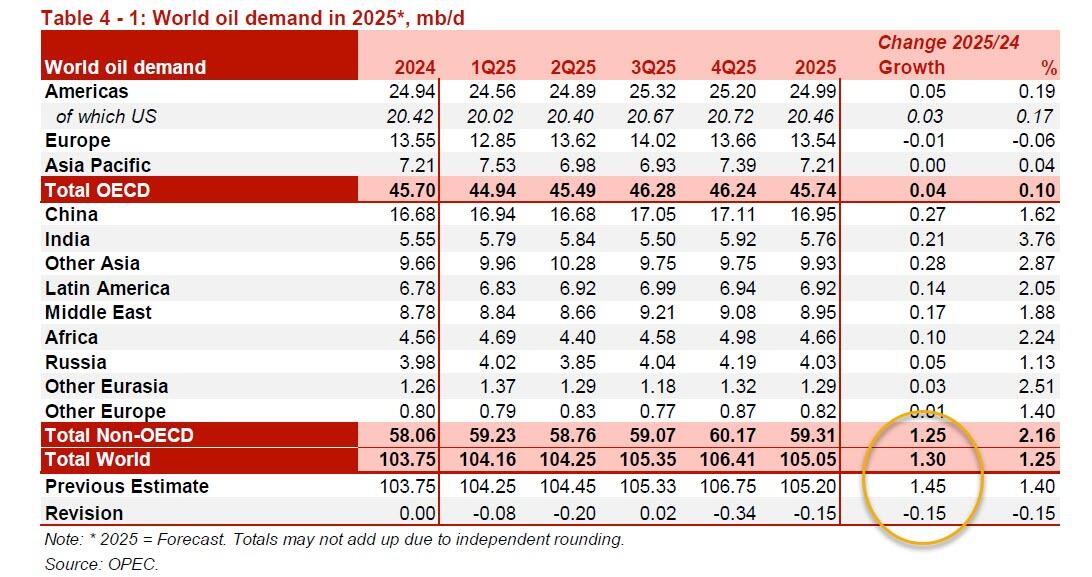
Attention turns to global oil markets following the United Arab Emirates' announcement of its intention to exit OPEC. This decision could significantly impact oil prices in the coming months, raising questions about the future of the market and the needs of consumer countries.
This move comes at a time when the market is experiencing significant fluctuations, with increasing pressures on prices due to changes in supply and demand. The UAE, one of the largest oil producers in the world, may seek to increase its production independently, potentially leading to an increase in supply in the market.
Details of the Announcement
The UAE announced its decision to exit OPEC as part of its efforts to achieve its own economic goals. This decision follows years of cooperation with member countries of the organization, during which the UAE was committed to production cuts under OPEC agreements. However, it seems that the UAE government believes it is time to expand its oil production capacity.
Analysts expect this decision to lead to an increase in UAE production, which may contribute to a decrease in oil prices in the short term. However, the long-term effects remain unclear, as they depend on how other OPEC countries respond.
Background & Context
OPEC was established in 1960 with the aim of coordinating oil production policies among member countries to achieve price stability. The United Arab Emirates has long been a key player in this organization, contributing to the balance of the global market. However, economic and political changes may lead to a reassessment of these relationships.
In recent years, oil prices have experienced significant fluctuations due to geopolitical crises, such as conflicts in the Middle East and the repercussions of the COVID-19 pandemic. These factors have placed considerable pressure on producing countries, prompting some nations like the UAE to take bold steps.
Impact & Consequences
The UAE's exit from OPEC could increase competition among oil-producing countries, potentially contributing to lower prices in the short term. However, this could also exacerbate tensions among OPEC member states, as other countries may seek to maintain their market shares.
On the other hand, the UAE could benefit from increased oil revenues if it can effectively boost its production. This could enhance its economic position and help achieve its developmental goals.
Regional Significance
This decision signals significant changes that may occur in oil markets across the Arab region. As pressures on oil prices increase, other countries may find themselves compelled to reassess their production strategies.
Additionally, this decision could impact economic relations among Arab countries, as other producing nations may seek to enhance their cooperation to maintain market stability.
In conclusion, the question remains about how the UAE's exit from OPEC will affect oil prices in the coming months. It will be important to monitor market developments and the reactions of OPEC member states to ensure price stability.