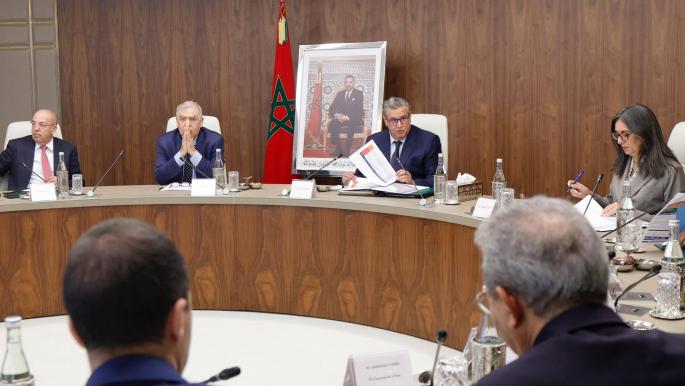
The Moroccan government has decided to continue its exceptional direct support for professionals in the transport sector, both for goods and passengers. This support aims to ensure the regular and stable supply of markets in light of the difficult economic conditions the country is facing.
This move comes at a time when the world is grappling with the repercussions of the Ukrainian war and its impact on energy prices and essential goods. Transportation costs have risen significantly, negatively affecting citizens' purchasing power. Therefore, the Moroccan government seeks to alleviate the burdens on citizens and investors in this vital sector.
Details of the Support Plan
The announced support plan includes financial allocations for transport professionals, covering both land and maritime transport, with the goal of enhancing the stability of the local market. The government has confirmed that this support will continue until further notice, given the urgent need to maintain essential services.
The support plan also encompasses other sectors such as butane and electricity, as the government aims to provide assistance to low-income families. This support is expected to help ease economic pressures on citizens, especially amid rising prices of basic commodities.
Background & Context
Historically, Morocco has faced several economic crises due to regional and international events. These crises have increased the need for government interventions to support affected sectors. In recent years, the Moroccan government has taken multiple steps to bolster the national economy, including improving infrastructure and providing support to vital sectors.
This initiative is part of the Moroccan government's strategy to address economic challenges, aiming for economic and social stability. Previous experiences have shown that government support can play a significant role in alleviating burdens on citizens.
Impact & Consequences
This decision is expected to have a positive impact on the transport sector, as it will help improve working conditions for professionals and enhance their ability to provide services efficiently. Additionally, the continuation of support will strengthen citizens' confidence in the government and its capacity to manage crises.
On the other hand, the government may face challenges in securing the necessary funding for this support, especially given the financial pressures that may arise from global economic crises. Therefore, it will be important to monitor how this plan is implemented and its sustainability in the long term.
Regional Significance
Morocco's experience in supporting vital sectors serves as a model that other Arab countries facing similar challenges can benefit from. This step could inspire governments in the region to take similar actions to support their citizens during times of crisis.
Furthermore, cooperation among Arab countries in exchanging experiences on how to deal with economic crises can contribute to enhancing regional stability. Supporting vital sectors is a crucial step towards achieving sustainable development in the region.
In conclusion, the Moroccan government's efforts to support transport, butane, and electricity represent a positive step towards addressing economic challenges. It is important for the government to continue evaluating the effectiveness of these programs and adjust them as necessary to ensure the achievement of the desired goals.