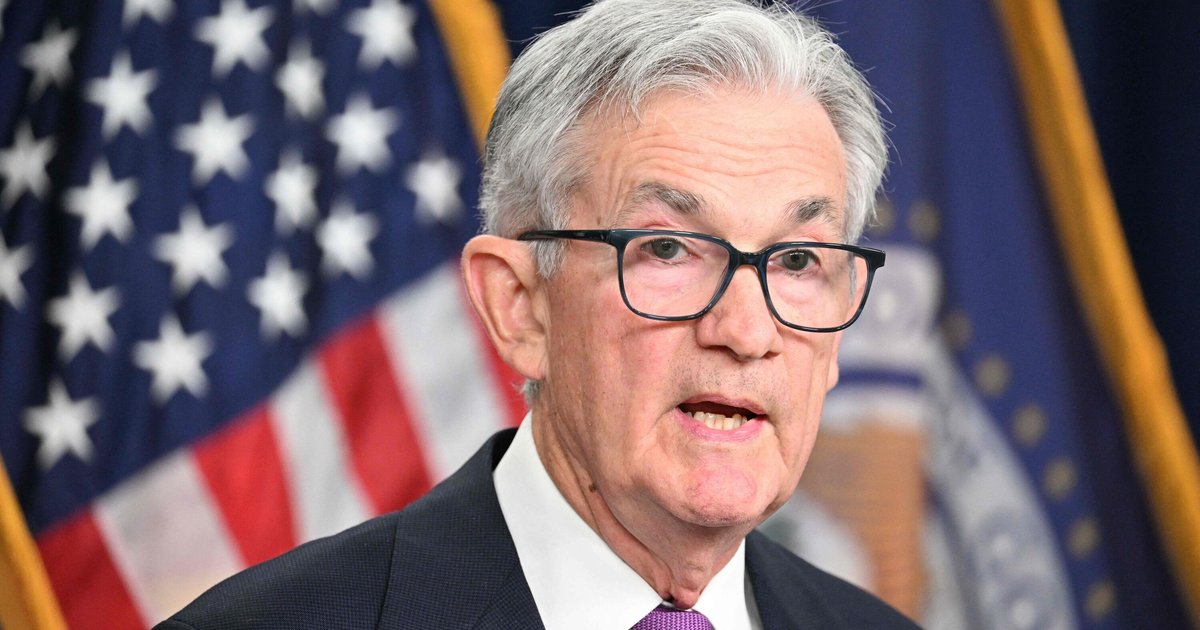
Traders in the US bond market are closely focused on the upcoming Federal Reserve meeting this week, aiming to grasp how officials evaluate the future of inflation. This comes at a time when oil prices are experiencing a significant increase due to ongoing tensions in the Middle East, adding pressure to the US economy.
The Federal Reserve meeting represents a critical opportunity to determine future monetary policy trends, as investors expect the central bank to announce new strategies to tackle inflation challenges. Given the current circumstances, the Federal Reserve faces increasing pressure to maintain price stability without negatively impacting economic growth.
Details of the Event
The Federal Reserve meeting follows a series of economic data indicating a rise in inflation rates, raising concerns about the central bank's ability to control prices. Predictions suggest that the Federal Reserve may raise interest rates again as part of its strategy to combat inflation, which could significantly impact the bond market.
Simultaneously, oil prices continue to rise due to geopolitical tensions in the Middle East, complicating the economic landscape. The increase in oil prices is a key factor driving inflation, affecting transportation and production costs, which in turn reflects on the prices of goods and services.
Background & Context
Historically, US bond markets have experienced notable fluctuations during times of geopolitical crises. For instance, in 2008, the financial crisis led to significant changes in monetary policy, affecting interest rates and bonds. Today, it appears that the Federal Reserve is facing similar challenges, striving to balance combating inflation with supporting economic growth.
The Middle East is an economically sensitive region, where oil prices play a pivotal role in determining global economic trends. With ongoing tensions in this area, analysts expect oil prices to continue rising, which could pressure the US economy and complicate the Federal Reserve's decisions.
Impact & Consequences
If the Federal Reserve decides to raise interest rates, it could lead to increased borrowing costs, affecting both businesses and consumers. Should oil prices continue to rise, we may witness negative impacts on economic growth, potentially leading to a slowdown in economic activity.
Moreover, these decisions could result in volatility in financial markets, as investors seek to reassess their investments amid changing conditions. It is crucial for investors to closely monitor any signals from the Federal Reserve regarding future monetary policy.
Regional Significance
Oil prices are a fundamental factor affecting the economies of Arab countries, many of which rely on oil revenues. If prices continue to rise, some countries may benefit from increased revenues, while others may face economic challenges due to higher import costs.
Additionally, tensions in the Middle East could impact economic stability in the region, potentially leading to negative repercussions for Arab financial markets. It is essential for Arab nations to remain informed about developments in global markets, especially under the current circumstances.