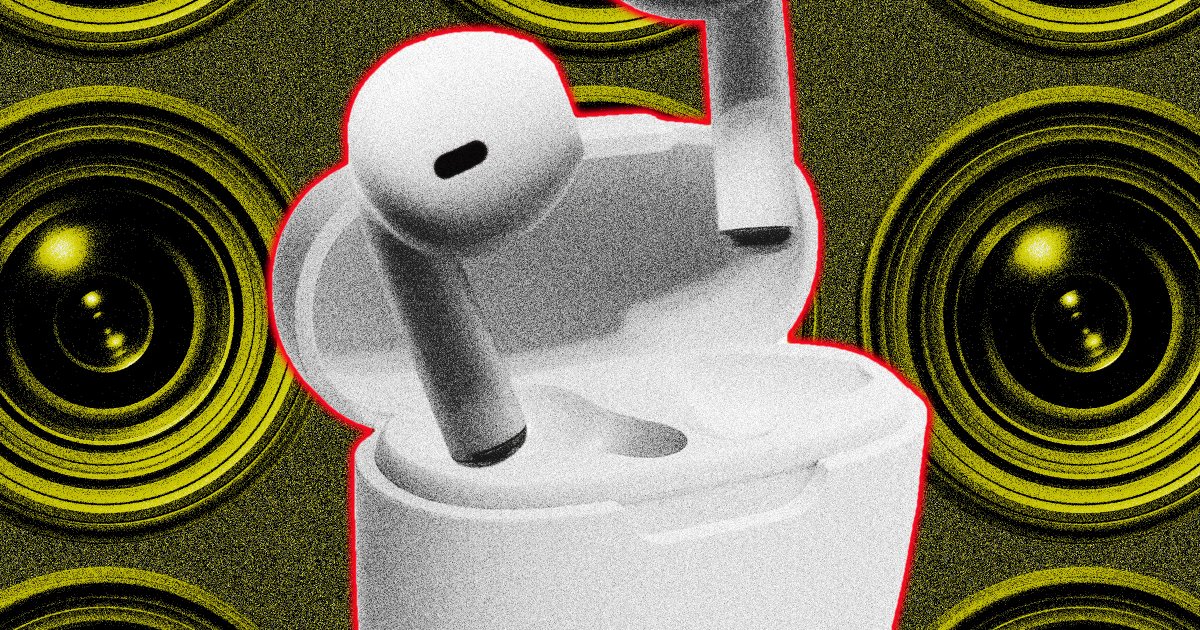
Apple is seeking to change the rules of the game in the wearable devices market by developing an unprecedented generation of AirPods equipped with integrated cameras, as part of an ambitious strategy to push artificial intelligence capabilities toward new horizons. According to informed sources cited by Bloomberg, the American company is conducting advanced internal testing phases for these earphones, which aim to give the digital assistant Siri the ability to "see" the user's surroundings and understand the visual context of voice commands.
However, this technical ambition collides with a wall of security and operational concerns. Reliable sources informed WIRED magazine that Apple has decided to postpone its planned launch, despite the engineering readiness of the device, due to incomplete development of "visual intelligence" for Siri, in addition to significant reservations within the executive management regarding the security and privacy risks that cameras embedded in ear-worn devices might raise.
Technical Specifications and Strategic Objectives
The concept relies on equipping AirPods with low-resolution cameras embedded in the elongated stem of the earphone, capturing simple visual information about the surrounding environment rather than shooting photos or videos like smart glasses. Industry experts view this step as aiming to transform earphones into mobile environmental sensors, feeding AI models with real-world data about the physical world to enhance contextual awareness.
Among the expected applications of this technology are improving the accuracy of navigation systems by identifying landmarks surrounding the user, assisting with shopping by recognizing products and foods inside refrigerators, and providing immediate contextual information based on what the cameras detect. It is also expected to serve accessibility applications to assist blind and visually impaired individuals by describing the surrounding environment with greater accuracy and independence.
Technical Challenges and Privacy Concerns
Despite the wide possibilities, the project faces difficult technical obstacles. Adding cameras to small earphones will lead to significant drain on battery life, which represents a fundamental weakness in AirPods compared to competitors. A recent study by the University of Washington indicates that adding cameras to similar earphones might reduce battery life to half, dropping below three hours of continuous use.
But the biggest obstacle remains privacy issues. The idea of cameras in earphones commonly used in public spaces might trigger social panic regarding secret recording and unwanted surveillance. Reports have confirmed that Apple recognizes this risk, and is studying the activation of a small LED indicator that illuminates when feeding visual data to the cloud, in an attempt to reassure users and those around them about transparency.
Strategic Context and Global Competition
This project comes within the framework of a heated race among tech giants toward building what is known as "Spatial Computing". While Google is developing similar smart glasses relying on cameras to improve navigation capabilities, Chinese companies such as Guangfan Technology and VibeLens have already beaten Apple to market by launching earphones equipped with actual cameras in consumer markets.
Analysts believe that through this step, Apple seeks to collect massive datasets to train its intelligent models, especially as the company currently lacks a foundational AI model capable of competing with GPT or Gemini. However, the company walks a tightrope between collecting valuable training data and maintaining its reputation as a corporation that respects user privacy, which might push it to process data locally on the device or iPhone without transmitting it to external servers.
Expected Launch and Regional Implications
Despite the current delay, tech observers expect that Apple will reveal more details during the annual WWDC conference or the upcoming iPhone launch event. If the company succeeds in marketing this concept effectively, it might spark a revolution in how humans interact with wearable technology and ambient computing interfaces.
For the Arab world specifically, this development raises fundamental questions about protection of personal data in societies that prioritize social privacy and family confidentiality. The widespread adoption of earphones capable of "seeing" in public spaces such as cafes and shopping malls might raise concerns about capturing unintended images of others, potentially necessitating new legislation to regulate the use of these devices. This technological shift might also catalyze changes in Arab consumer behavior, which shows a noticeable increase in awareness regarding cybersecurity and digital privacy rights.