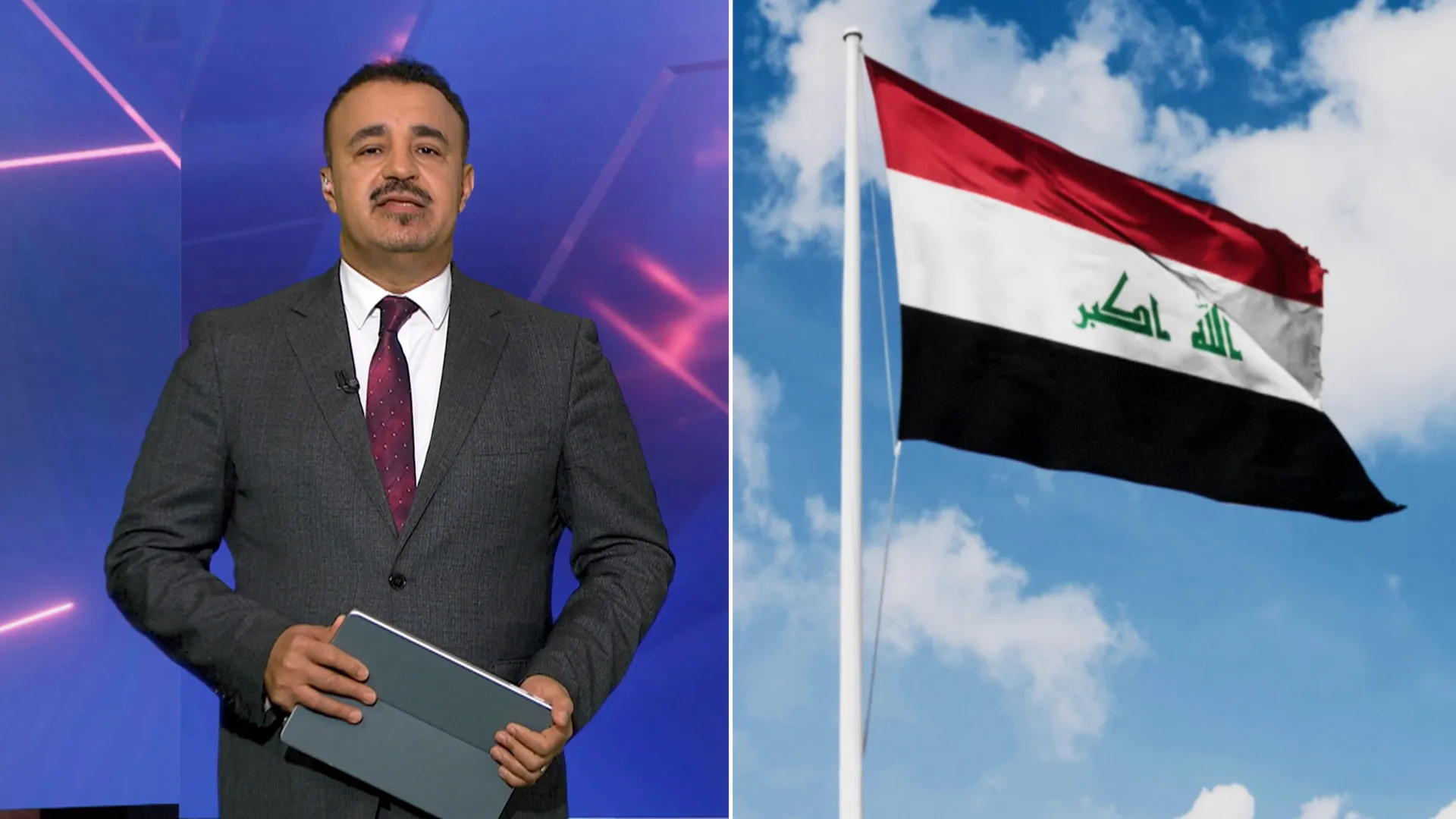
Iraqi President Nizar Amidi has tasked businessman Ali Al-Zaydi with forming a new government, aiming to resolve the ongoing political deadlock. This decision follows the endorsement of the largest parliamentary bloc, the 'Coordination Framework'. Al-Zaydi, who has not held any previous political office, represents a new experience in the Iraqi political arena, raising questions about his ability to handle the complex challenges facing the country.
The new government will face numerous pressing internal issues, primarily combating poverty and improving public services. Al-Zaydi must also confront the sectarian and political quota system that dominates state institutions, which is considered one of the main reasons for the rampant corruption in the country. In this context, many observers question Al-Zaydi's ability to implement real changes in governance, especially under political and social pressures.
Details of the Appointment
On April 27, 2026, Ali Al-Zaydi was appointed to form the new government, marking an important step in the Iraqi political process. This appointment comes after weeks of political deadlock, during which the previous government struggled to make decisive decisions due to disagreements among political forces. Al-Zaydi, seen as an economic face, faces a significant challenge in transitioning from the business world to politics, which requires entirely different skills.
The challenges awaiting the new government also include the urgent need to improve essential services such as education and health, which have significantly deteriorated in recent years. There is also an urgent need to combat the corruption that is eating away at the state, necessitating strong political will and effective measures.
Background & Context
Historically, Iraq has witnessed numerous political crises leading to instability. Since the fall of Saddam Hussein's regime in 2003, the country has suffered from internal and external conflicts, affecting its ability to build an effective government. The sectarian quota system adopted after the American occupation has marginalized many social groups, exacerbating tensions among different components.
In recent years, Iraq has seen a rise in popular protests demanding political and economic reforms. These protests reflect widespread frustration with government performance, increasing pressure on the new government to meet the people's aspirations.
Impact & Consequences
If Al-Zaydi can achieve tangible successes in forming his government, it may help restore confidence in the political process. However, the most critical question remains: will Al-Zaydi be able to maintain his independence from the parties that nominated him? Success in this area could be key to overcoming current crises.
External challenges are also increasing, as Iraq finds itself in a region of sharp rivalry between the United States and Iran. The new government will need to take balanced positions to avoid slipping into regional conflicts that could negatively impact the country's stability.
Regional Significance
Al-Zaydi's experience in forming the Iraqi government is being closely watched by many Arab countries, as it could serve as a model for change in similar political contexts. His success or failure may influence neighboring countries facing similar political crises, making it essential to closely monitor developments in Iraq.
In conclusion, the appointment of Ali Al-Zaydi to form the Iraqi government represents a new opportunity for change, but the challenges he faces are significant and complex. Hope remains pinned on his ability to implement real reforms that meet the aspirations of the Iraqi people.