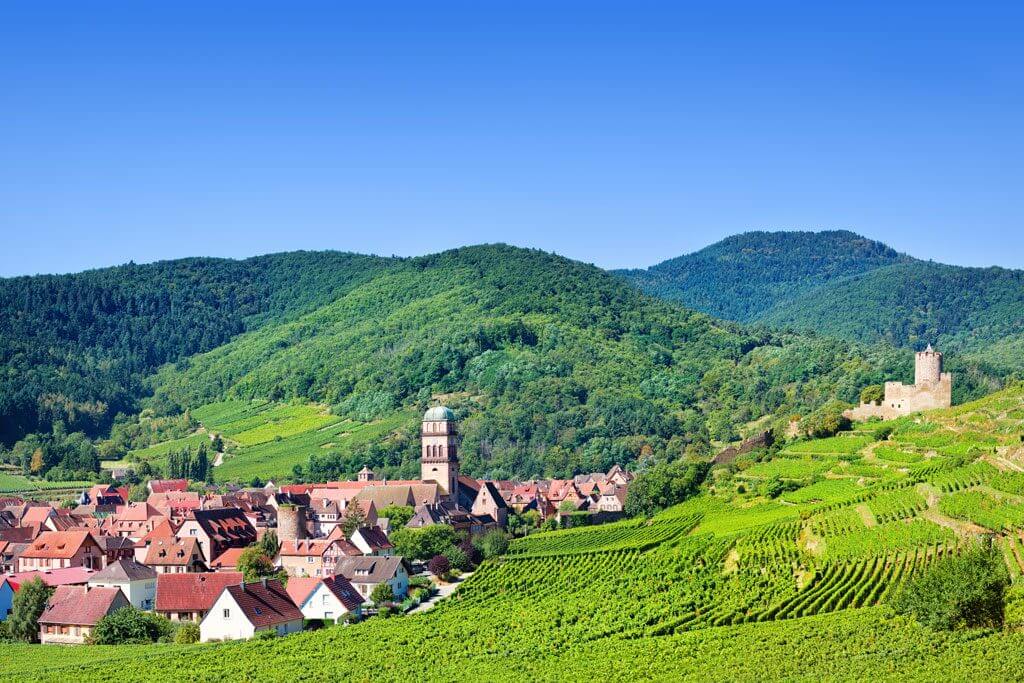
On Wednesday, April 8, French lawmakers approved a bill aimed at transforming the European Association of Alsace into a fully empowered region. However, the chances of success for these reforms in the near future appear slim.
This move follows intense discussions among lawmakers, as Alsace is a region with a long and complex history, having been part of numerous political and administrative changes in France. The law aims to enhance the cultural and political identity of the region, but challenges remain.
Details of the Legislative Session
During the parliamentary session, various contrasting opinions were expressed regarding the importance of this law. Some lawmakers viewed this step as a victory for Alsatian identity, while others believed it could lead to the dismantling of national unity. The bill was voted on in a charged atmosphere, with many lawmakers expressing concerns about the implications of this transformation.
Despite the law's approval, the French government has yet to announce clear implementation steps, raising questions about the seriousness of this project. There are also concerns that this move could lead to divisions within French society, especially amid current political tensions.
Historical Context and Background
Historically, Alsace has been a contested region between France and Germany, significantly affected by historical events such as the World Wars. After World War II, Alsace was integrated into France as part of state reconstruction efforts. However, the cultural identity of the Alsatians remains strong, making this project particularly significant.
In recent years, Alsace has witnessed political movements aimed at enhancing self-governance, as many seek to regain some of the powers they have lost. This shift also reflects broader trends in Europe towards strengthening regional and local identities.
Potential Impact and Consequences
If this law is successfully implemented, it could lead to significant changes in how Alsace is governed, granting it greater autonomy in local decision-making. However, political and economic challenges may hinder these efforts. There are fears that this step could increase divisions among different regions in France.
Moreover, questions arise about how this transformation will affect relations between Alsace and the rest of France. Strengthening regional identity may fuel separatist tendencies, potentially impacting the overall stability of the country.
Relevance to the Arab Region
Although this event may seem distant from the Arab region, it reflects global trends towards enhancing cultural and political identity. Arab countries could benefit from studying these experiences, especially in the context of promoting national identity and cultural diversity.
Additionally, enhancing self-governance in various regions could serve as a model for some Arab nations facing similar challenges in managing cultural and political diversity.
Alsace remains a region of particular importance in the French landscape, and the recent bill reflects the desire of Alsatians to strengthen their identity. However, political and economic challenges may obstruct these efforts, leaving the future uncertain.