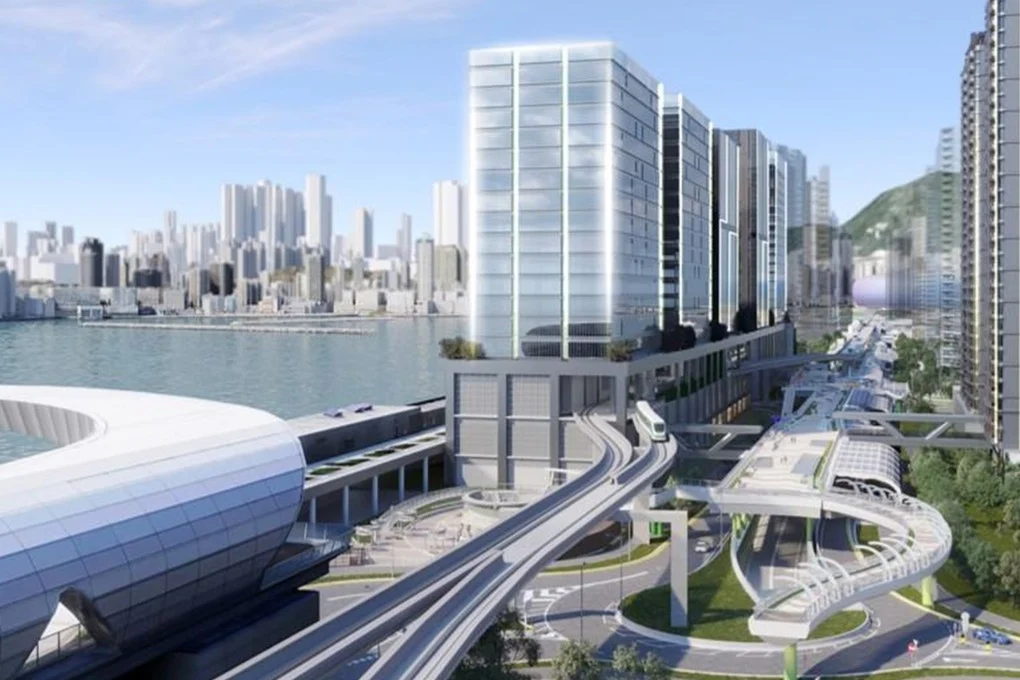
The Executive Council in Hong Kong has approved plans to establish a smart elevated railway system in the Kai Tak area, aimed at connecting the cruise terminal and other key facilities in the region with the local metro station. This decision comes after a series of meetings held by authorities with critics of the project, as well as consultations with the public and the Legislative Council to address concerns related to the project.
The project proposal was announced in July of last year and has received broad public support, as citizens expressed their approval for the idea of creating a modern transport system that contributes to improving traffic flow in the area. This project is considered part of Hong Kong's efforts to modernize its infrastructure and enhance its public transport system.
Project Details and Features
The project involves the construction of an elevated railway featuring smart technologies, which will facilitate passenger movement and reduce traffic congestion. This system is expected to improve the experience for both visitors and residents, allowing them easy access to vital facilities such as shopping centers and hotels.
Additionally, the project will enhance Hong Kong's ability to attract tourists, as Kai Tak is a strategic area that includes numerous tourist facilities. This system is part of the government's vision to develop public transport in the city, reflecting its commitment to providing high-quality services to citizens and visitors.
Background & Context
Historically, Hong Kong has witnessed significant development in its public transport system, with railways being an essential part of this system. With the increasing population and rise in traffic, it has become necessary to update and develop transport infrastructure.
The Kai Tak area is one of the regions that has undergone significant changes in recent years, having been transformed from an old airport area into a modern urban zone with multiple facilities. This transformation requires improved transport means to meet the needs of residents and visitors.
Impact & Consequences
This project is expected to have positive effects on the local economy, as it will contribute to creating new job opportunities during the construction and operational phases. Additionally, improving transport means can boost commercial activity in the area, leading to increased local revenues.
Moreover, this project may encourage the use of public transport instead of private cars, contributing to reduced pollution and improved air quality in the city. This trend reflects Hong Kong's commitment to environmental sustainability.
Regional Significance
The experience of Hong Kong in developing a public transport system can serve as a model for Arab cities facing similar challenges in transportation. With the increasing population in many Arab cities, it is essential to enhance public transport means to meet citizens' needs.
Major transport projects present an opportunity to strengthen cooperation among Arab countries and exchange experiences, contributing to achieving sustainable development in the region.
In conclusion, the approval of the smart public transport system plans in Kai Tak represents an important step towards improving infrastructure in Hong Kong and reflects the government's commitment to providing high-quality transport services. This experience can also serve as an inspiration for Arab cities in their efforts to improve their transport systems.