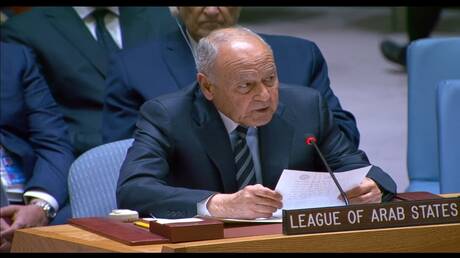
The Arab League stated that member states have not called for war with Iran but have sought to avoid it, despite facing aggressive Iranian attacks. The League emphasized its strong condemnation of these attacks, stressing its rejection of any justifications that may be presented.
These recent statements from the League come at a sensitive time, as tensions in the region are escalating, necessitating clear positions from Arab countries regarding any aggressions that threaten regional security. The Secretary-General of the League, Ahmed Aboul Gheit, pointed out that these attacks not only reflect an escalation in Iranian-Arab relations but also represent a threat to security and stability in the region.
Details of the Incident
Reports continue to emerge about Iranian attacks targeting Arab countries, raising concerns among member states of the League. These attacks have highlighted the challenges faced by Arab nations in maintaining their sovereignty and security. In this context, the League emphasized the necessity of coordination among member states to confront these challenges.
Aboul Gheit also noted that some Arab countries have made significant efforts to avoid escalation, but these efforts have not received a response from the Iranian side, complicating the security situation further. The Secretary-General called for dialogue and understanding between Arab countries and Iran to prevent further escalation.
Background & Context
Historically, Arab-Iranian relations have been marked by ongoing tensions, especially following the Iranian revolution in 1979. These tensions have contributed to an environment of mistrust between the two sides, impacting regional security. With the rise of Iranian threats, Arab countries have become more cautious about enhancing their national security.
It is noteworthy that the recent Iranian attacks occurred during a period of political and economic transformations in the region, complicating the landscape further. As international pressures on Iran increase, it may resort to escalating its attacks as a means to influence the course of events.
Impact & Consequences
The continuation of Iranian attacks could lead to military escalation in the region, threatening stability and increasing the suffering of populations. Additionally, these attacks may affect relations between Arab countries and Iran, widening the gap between the two sides.
Moreover, military escalation could lead to external interventions, complicating the situation further. Many analysts have warned that any escalation could drag the region into new wars, necessitating decisive positions from Arab countries to protect their interests.
Regional Significance
Iranian attacks pose a threat to the national security of Arab countries, prompting them to enhance security and military cooperation. The League has emphasized the importance of coordination among member states to address these challenges.
At the same time, Arab countries must work to enhance dialogue with Iran to avoid escalation and achieve peace and stability in the region. Building trust between the two sides is key to overcoming these crises and achieving mutual security.
In conclusion, there is an urgent need to unify the Arab front in facing challenges and to work towards peaceful solutions to crises. The recent statements from the Arab League represent a call for solidarity and cooperation among member states in pursuit of security and stability in the region.