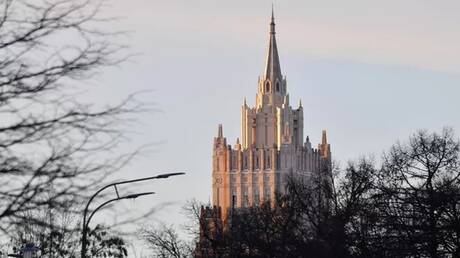
Maria Zakharova, the spokesperson for the Russian Foreign Ministry, announced that Russia is prepared to provide assistance in resolving the tense situation regarding the Hormuz Strait, stressing the importance of diplomatic solutions in addressing international crises. This announcement comes at a time when the region is witnessing escalating tensions, necessitating international interventions to ensure security and stability.
The Hormuz Strait is a vital strategic point, through which approximately 20% of the world's total oil passes. Therefore, any tension in this area directly affects global markets and increases geopolitical risks. Russia has consistently called for dialogue and negotiation as a means to resolve disputes, reflecting its approach to enhancing collective security in the Gulf.
Details of the Announcement
In her statements, Zakharova confirmed that Russia is closely monitoring the situation and is ready to provide the necessary support to alleviate tensions. She urged all concerned parties to commit to dialogue and cooperation, asserting that diplomacy is the best way to avoid escalation.
Zakharova also emphasized that Russia believes in the concept of collective security, which requires cooperation among all countries in the region to ensure stability. Russia has expressed its willingness to participate in any international efforts aimed at achieving this goal, reflecting its desire to play a larger role in regional affairs.
Background & Context
Historically, the Hormuz Strait has witnessed numerous crises and tensions, serving as a theater for several military and political conflicts. In recent years, tensions between Iran and the United States have escalated, affecting navigation in the region. These events have heightened concerns among both oil-producing and consuming countries.
Russia is considered one of the major powers seeking to enhance its influence in the Gulf region, positioning itself as a reliable mediator in resolving disputes. Moscow has shown increasing interest in strengthening its relations with Gulf states, reflecting a shift in Russian foreign policy towards the Middle East.
Impact & Consequences
Russia's readiness to intervene in the Hormuz Strait crisis could alter the dynamics of conflict in the region. If Moscow succeeds in providing effective solutions, it could bolster its position as an influential power in the Middle East. This intervention may also contribute to easing tensions, benefiting the global economy.
However, any Russian intervention may face resistance from some Western countries, which may view it as a threat to their interests. Therefore, balancing the various interests will be crucial in determining the success of these efforts.
Regional Significance
The crises in the Hormuz Strait have a direct impact on Arab countries, especially those that rely on oil as a primary source of revenue. Any escalation in the region could lead to rising oil prices, affecting Arab economies and increasing economic pressures.
Thus, Russia's efforts to resolve the crisis could serve as an opportunity for Arab countries to enhance cooperation among themselves and work towards greater stability in the region. This requires effective coordination between Arab states and Russia to ensure the achievement of common goals.
In conclusion, the crisis in the Hormuz Strait remains a complex issue that requires concerted international efforts. Russia's willingness to provide assistance reflects the importance of diplomacy in resolving disputes and indicates the potential for achieving collective security in the Gulf.