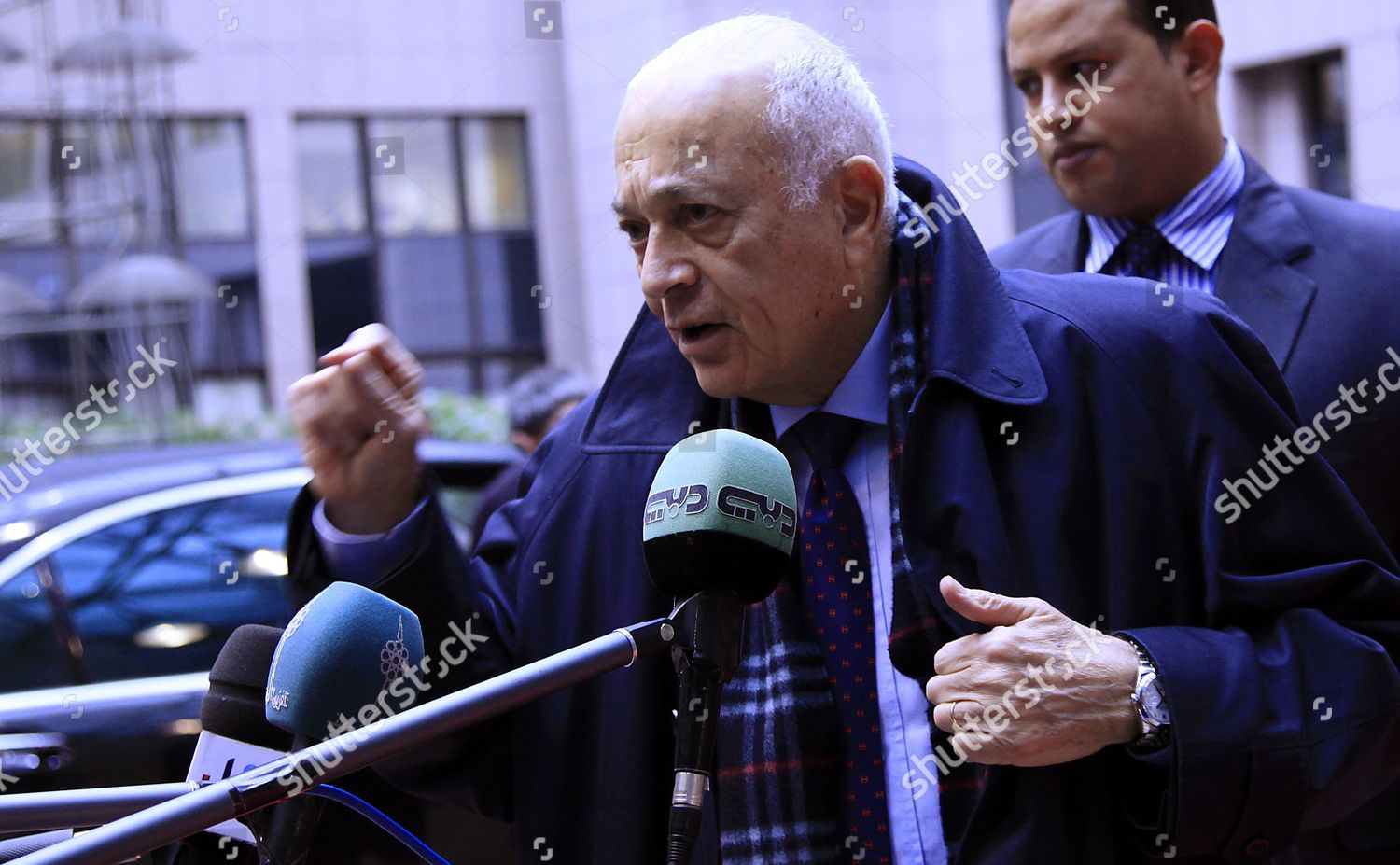
The Arab League Council has announced its support for the nomination of former Egyptian Foreign Minister Nabil Fahmy to succeed Ahmed Aboul Gheit as Secretary-General of the League. This decision comes at a sensitive time for the Arab region, where political, economic, and security challenges are on the rise for member states.
Nabil Fahmy, who served as Egypt's Foreign Minister from 2013 to 2014, has extensive experience in diplomatic affairs and international relations. He has played a prominent role in strengthening relations between Egypt and other Arab countries, in addition to his efforts in addressing complex regional issues.
Details of the Decision
The decision to support Fahmy's nomination was made during a meeting of the Arab League Council, where the importance of having an experienced and competent figure to lead the League during this critical phase was emphasized. Many representatives noted that Fahmy possesses the ability to enhance Arab cooperation and achieve the common goals of member states.
This nomination comes as Ahmed Aboul Gheit's term is coming to an end; he has held the position of Secretary-General since 2016. During his tenure, Aboul Gheit faced numerous challenges, including crises in Syria, Libya, and Yemen, as well as issues related to the Israeli-Palestinian conflict.
Background & Context
The Arab League was established in 1945 with the aim of promoting cooperation among Arab countries in various fields. Since then, the League has witnessed numerous changes and challenges, including political and economic crises affecting the region. The position of Secretary-General is considered sensitive and requires wise leadership and a strategic vision to address current challenges.
In recent years, there has been increasing pressure on the Arab League to be more effective in addressing regional issues. Questions have been raised about its role in resolving conflicts and providing support to member states facing various challenges.
Impact & Consequences
If Nabil Fahmy is elected, it could lead to significant changes in the way the Arab League operates. Fahmy is expected to seek to enhance cooperation among member states and achieve greater consensus on regional issues. He may also work to rebuild trust among member states, which could contribute to greater stability in the region.
On the other hand, Fahmy may face significant challenges, including the need to address political divisions among member states. Additionally, the economic and social issues affecting many Arab countries will remain a top priority for him.
Regional Significance
This step is significant in the context of Arab relations, as the choice of a new Secretary-General could affect how the League deals with current crises. Given the tense situations in some Arab countries, having a figure like Fahmy could help promote dialogue and understanding among states.
Moreover, this nomination comes at a time when there is an increasing need for effective responses to common challenges, including food security, climate change, and economic crises. Therefore, Fahmy's success in his new position could have a positive impact on the region's stability.
In conclusion, the Arab League Council's support for Nabil Fahmy's nomination represents a step towards strengthening Arab leadership in the face of current challenges. It remains to be seen how events will unfold in the coming period and whether Fahmy will be able to achieve the desired goals.