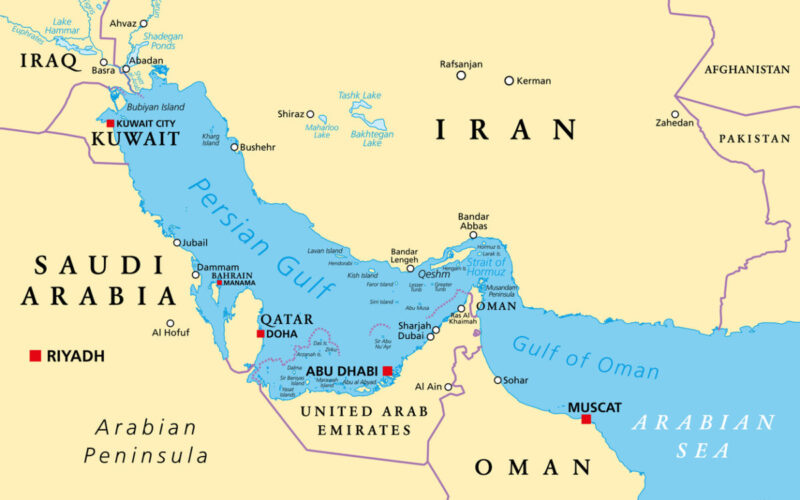
The Arab League has announced its support for the resolution proposed by Bahrain regarding the security of navigation in the Strait of Hormuz. Secretary-General Ahmed Aboul Gheit stated during a session of the United Nations Security Council that this initiative represents an important step towards enhancing security in the region. His remarks came on Thursday, April 2, where he highlighted the necessity of voting on this resolution as soon as possible.
In this context, Bahraini Foreign Minister Abdullatif bin Rashid Al Zayani indicated that the Security Council may be able to vote on the resolution on Friday, April 3. The proposed resolution aims to grant member states the right to take all necessary defensive measures to protect navigation in the Strait of Hormuz and the surrounding waters, including the territorial waters of coastal states.
Details of the Initiative
This move comes at a sensitive time, as the Strait of Hormuz is experiencing escalating tensions, particularly following repeated attacks on commercial vessels. The resolution calls for Iran to cease all attacks on commercial ships in the region, reflecting international concern over the impact of these attacks on global navigation.
On February 28, the United States and Israel launched strikes on targets within Iran, leading to heightened tensions in the region. Iran responded to these attacks by targeting Israeli sites and those belonging to U.S. forces in the Middle East, complicating the security situation further.
Background & Context
The Strait of Hormuz is one of the most important waterways in the world, through which approximately 20% of the world's total oil passes. For years, the region has witnessed increasing tensions due to political and military conflicts between Iran and Western countries, adversely affecting the stability of navigation. This has led to rising energy prices in global markets, impacting the global economy.
Historically, there have been multiple attempts to secure navigation in the strait, but political tensions have always hindered these efforts. With the increasing threats, it has become essential to enhance regional and international cooperation to ensure the safety of navigation.
Impact & Consequences
If the resolution is adopted, it could pave the way for military interventions by Arab League member states to protect navigation, potentially escalating tensions in the region. Additionally, this resolution may encourage the formation of new alliances in the region, affecting the current political balances.
On the other hand, this decision could increase pressure on Iran, prompting it to take escalatory steps in its responses, which could lead to further tensions in relations between Iran and Arab states.
Regional Significance
This resolution serves as a call for Arab countries to unite in facing the security challenges confronting the region. Security in the Strait of Hormuz directly impacts all Arab states, especially those that rely on oil as a primary source of revenue. Therefore, enhancing security in this area is vital for maintaining economic and political stability in Arab countries.
In conclusion, the Arab League's support for Bahrain's initiative represents an important step towards enhancing security in the Strait of Hormuz and reflects the commitment of Arab states to cooperate in addressing common challenges. However, the question remains about how Iran will respond to this step and whether it will lead to further escalation or new opportunities for dialogue.