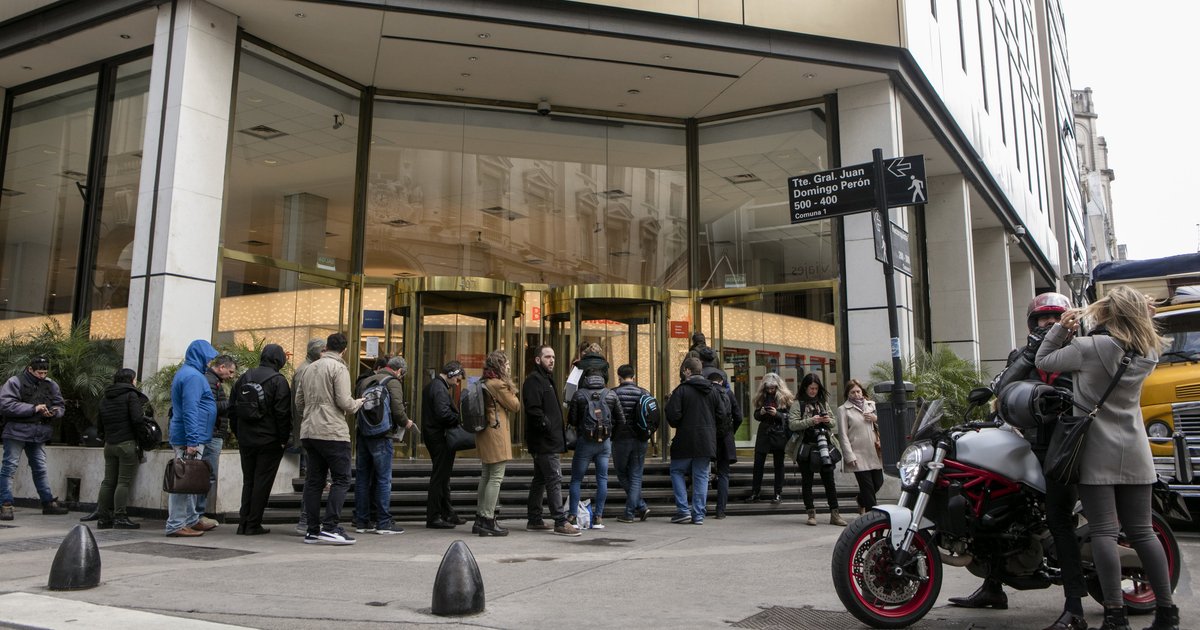
Argentina's president, in a controversial move, announced a ban on journalists from entering government headquarters, sparking widespread concern about press freedom in the country. This decision comes amid rising criticism of the government's handling of the media and reflects a trend towards greater control over information.
The announcement, made during a press conference, elicited mixed reactions from journalists and activists who viewed it as a violation of their right to access information. Government sources confirmed that the measure aims to protect national security, but critics see it as an attempt to undermine freedom of expression.
Details of the Announcement
During the press conference, the president explained that the decision followed a series of events that the government considered threats to security. However, he did not provide clear details about these threats, which increased skepticism about the motives behind the decision. Journalists attending the conference expressed their discontent with this decision, emphasizing the importance of their role in monitoring the government and providing information to the public.
It is worth noting that Argentina has witnessed a significant decline in press freedom in recent years, with numerous reports of attacks on journalists. This new decision may exacerbate these tensions and negatively impact the media landscape in the country.
Background & Context
Historically, Argentina has been a country with strong traditions of press freedom, but the situation has deteriorated over the past several years. In 2016, a law protecting journalists was repealed, allowing the government greater control over the media. These steps have raised international concern, as human rights organizations view these measures as a threat to the foundations of democracy.
In recent years, Argentina has seen widespread protests against the government due to its economic and social policies, which have heightened tensions between the government and the media. This tense atmosphere could lead to further restrictions on freedom of expression, raising alarms among human rights advocates.
Impact & Consequences
The new decision could have serious implications for press freedom in Argentina. If the government continues to impose restrictions on journalists, it may lead to a decline in transparency and accountability. A free press plays a crucial role in promoting democracy, and any regression in this area could negatively affect society as a whole.
Moreover, this decision may impact Argentina's international relations, as human rights organizations and the international community closely monitor developments in press freedom in the country. This could lead to international pressure on the Argentine government to change its policies, placing it in a difficult position on the global stage.
Regional Significance
Press freedom is a significant issue in many Arab countries, where media faces substantial challenges under authoritarian regimes. Argentina's decision could influence journalists in the region, potentially encouraging governments to take similar actions against the media. This highlights the importance of supporting freedom of expression and journalists' rights worldwide.
In conclusion, the Argentine government's decision to ban journalists from entering government headquarters represents a troubling step in the trajectory of press freedom. The international community must closely monitor these developments and support the efforts of journalists in Argentina to defend their rights and freedom of expression.