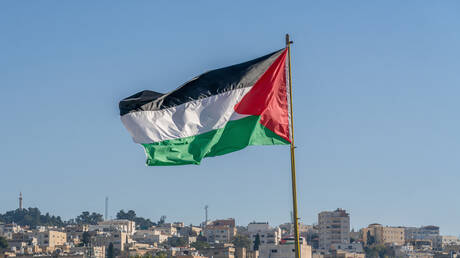
The Arizona Senate has recently approved a declarative resolution calling on all state institutions to use the term 'Judea and Samaria' in official documents, instead of 'West Bank'. This decision comes at a sensitive time and reflects new trends in U.S. policy towards the Israeli-Palestinian conflict.
This resolution is considered a controversial step, as it indicates increasing support from some U.S. states for Israeli government policies. The shift has sparked mixed reactions among political and human rights circles, with some viewing it as support for Israeli occupation, while others see it as a reflection of Israel's right to name the territories it controls.
Details of the Resolution
The resolution was passed with a clear majority, with 16 senators supporting it while 12 senators opposed it. This decision follows a series of political shifts in the United States, where other states have also attempted to change terminology related to the Israeli-Palestinian conflict. This trend also reflects the influence of pro-Israel lobbies in the American political arena.
At the same time, this decision highlights the increasing division within the United States regarding how to address the Palestinian issue. Some believe that using the term 'Judea and Samaria' reinforces the Israeli narrative, while others consider it part of free expression.
Background & Context
Historically, the West Bank is a pivotal area in the Israeli-Palestinian conflict, encompassing major cities such as Ramallah and Bethlehem. This region has experienced ongoing tensions since its occupation by Israel in 1967. Since then, there have been numerous attempts to reach a peaceful resolution, but these efforts have often stalled due to deep-seated differences between the parties.
In recent years, the United States has seen significant changes in its policy towards Israel and Palestine, with the Trump administration taking controversial steps such as recognizing Jerusalem as the capital of Israel. These policies have had a profound impact on American-Palestinian relations and have drawn widespread criticism from the international community.
Impact & Consequences
This decision could have far-reaching effects on relations between the United States and Arab countries. Many Arabs view this resolution as support for Israeli occupation, which may exacerbate tensions in the region. Additionally, this decision could impact future peace efforts, potentially hindering any attempts to reach a comprehensive and fair solution to the conflict.
Moreover, this resolution may lead to increased polarization within the United States itself, as many Americans express concern over the influence of lobbies on U.S. foreign policy. This situation could create a more divided political environment, affecting how the United States deals with international issues.
Regional Significance
This decision serves as a green light for some Arab countries to adopt more hardline stances towards the United States. It may enhance feelings of resentment and anger towards U.S. policies in the region. Furthermore, this resolution could contribute to the strengthening of extremist narratives in certain circles, complicating the security situation in the region.
Ultimately, the question remains about how this decision will affect American-Arab relations in the future. While the United States seeks to strengthen its ties with some Arab nations, this resolution may undermine those efforts and reflect a greater division in positions regarding the Palestinian issue.