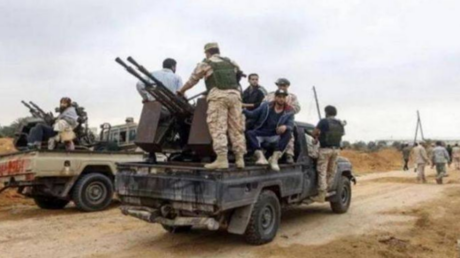
Today, armed clashes in Al-Ajilat, Libya, resulted in the suspension of classes across educational institutions. The fighting involved elements loyal to Deputy Head of the Security Threats Agency, Mohamed Bahroun, known as 'the Rat', and armed groups from the Zarameqa region.
This incident occurs amidst a backdrop of ongoing instability in Libya, where armed confrontations between various factions have become increasingly common in several areas. The clashes have directly impacted the lives of citizens, particularly students who have been forced to halt their studies due to deteriorating security conditions.
Details of the Incident
According to local sources, the clashes began early this morning, employing light and medium weaponry. Gunfire was heard throughout the city, causing panic among residents. Reports indicate that the clashes resulted in civilian injuries, although exact figures have yet to be disclosed.
It is noteworthy that Al-Ajilat is not the only city experiencing such events, as clashes are recurring in other regions of Libya, reflecting the chaos that has plagued the country for years.
Background & Context
Historically, Libya has faced division and chaos following the overthrow of Muammar Gaddafi's regime in 2011. The conflict between armed factions has exacerbated security conditions, negatively affecting the daily lives of citizens. In recent years, the Libyan government has attempted to regain control, but tensions between armed groups persist.
Al-Ajilat is one of the cities that has witnessed multiple conflicts, hosting several armed groups, which complicates the security landscape. The recent clashes are part of the ongoing struggle for power and influence among these factions.
Impact & Consequences
Armed clashes significantly disrupt daily life for citizens, halting business activities and closing schools. These events reflect the instability faced by residents, exacerbating their suffering. Continued violence may worsen humanitarian conditions in the city, as residents require security and stability to return to their normal lives.
Moreover, these clashes could hinder national reconciliation efforts in Libya, as the government seeks to achieve stability and unify various factions. Ongoing violence may impede these efforts and deepen divisions among armed groups.
Regional Significance
The situation in Libya raises concerns for many Arab countries, as the persistence of chaos could affect stability across the region. Neighboring nations fear the repercussions of the conflict, especially with armed groups potentially exploiting the disorder for illegal activities.
Additionally, conditions in Libya may influence relations among Arab states, with some countries seeking to support the Libyan government in its stabilization efforts, while others may back specific armed groups, further complicating the regional landscape.
In conclusion, the situation in Al-Ajilat reflects the significant challenges Libya faces in its pursuit of peace and stability. The continuation of armed clashes threatens the country's future and increases the suffering of its citizens, necessitating urgent efforts from all involved parties to achieve security and peace.