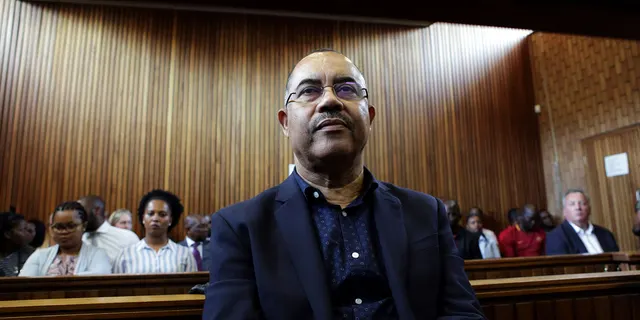
Former Mozambique Finance Minister Marcos Casimiro was arrested by U.S. Immigration and Customs Enforcement (ICE) after being scheduled for deportation to his home country following a prison sentence in the United States. Casimiro, who was convicted of fraud involving $2 billion in bonds, was released from prison on Thursday, but his attorney reported that U.S. authorities detained him again.
This development comes at a sensitive time for Casimiro, who had hoped to return to Mozambique after a long legal battle. He was convicted in 2018 on charges related to financial fraud, leading to a major scandal that shook the Mozambican economy and affected the country's reputation in global financial markets.
Details of the Incident
Casimiro, who served as Finance Minister from 2005 to 2015, was part of a group of officials accused of involvement in a fraudulent scheme related to the issuance of government bonds. This scheme, revealed in 2016, resulted in the country incurring massive debts, negatively impacting the national economy and eroding trust in the government.
After his release, Casimiro was expected to be deported to Mozambique, but his arrest by ICE indicates that there may be other legal issues pending. Further details regarding the reasons for this arrest have yet to be disclosed, but his attorney confirmed that he will seek to appeal this decision.
Background & Context
The bond scandal in Mozambique is considered one of the largest financial scandals in the country's history. Funds raised through the bonds were used to finance opaque projects, leading to a loss of trust in the government. Following the revelation of this scandal, Mozambique faced significant difficulties in securing funding from international markets, adversely affecting economic development.
In recent years, the Mozambican government has attempted to regain trust by implementing financial reforms, but these efforts have not been sufficient to compensate for the damage inflicted on the economy. Casimiro's case represents part of broader efforts to hold accountable those responsible for corruption in the country.
Impact & Consequences
Casimiro's arrest serves as a reminder that issues related to financial corruption continue to affect many developing countries, including Mozambique. This incident may impact the reputation of the Mozambican government and increase pressure on current officials to enact genuine reforms.
Moreover, this arrest could raise new issues related to immigration and asylum, especially given the difficult economic conditions faced by many African countries. This may lead to increased pressure on Western nations to address immigration issues more humanely and effectively.
Regional Significance
Although the incident pertains to Mozambique, there are lessons that Arab countries can learn. Financial corruption scandals are not foreign to the region, as many Arab nations have witnessed similar cases that led to a loss of trust in governments. This case could serve as a call for transparency and accountability across the Arab world.
Ultimately, Arab countries must learn from the experiences of other nations in combating corruption and enhancing transparency in their financial management. Building trust between governments and citizens is essential for achieving sustainable development and social stability.