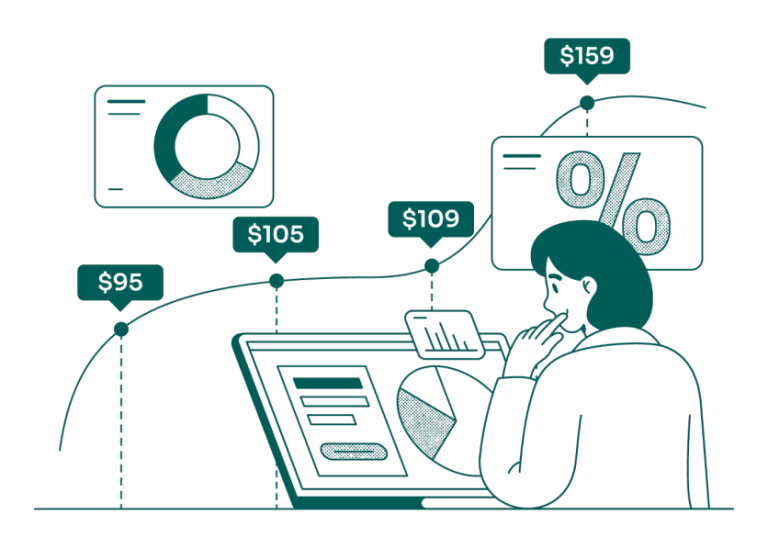
With the rapid advancements in artificial intelligence, the use of this technology in price determination has become a contentious topic. Studies indicate that artificial intelligence can lead to price discrimination, creating gaps among consumers based on their personal data and purchasing behavior.
There are growing concerns that companies may use artificial intelligence to adjust prices based on information such as geographic location, purchase history, and even browsing behavior. This could lead to unfair discrimination, where some consumers receive better prices than others, raising questions about fairness in the markets.
Event Details
Many major companies are moving towards utilizing artificial intelligence technologies to analyze big data and dynamically set prices. For instance, some airlines use these technologies to adjust ticket prices based on real-time demand and supply. While this can increase profits, it may harm consumers who cannot afford the higher prices.
Additionally, some studies have shown that artificial intelligence may contribute to reinforcing price discrimination, as algorithms can lead to unfair conclusions based on inaccurate or biased data. This raises concerns about how this data is used and its impact on consumers.
Background & Context
The use of artificial intelligence in commerce dates back several years, but it has seen a notable acceleration in recent years. With the increasing reliance on big data, it has become possible to analyze consumer behavior more accurately. However, this technological advancement comes with challenges related to privacy and fairness.
Historically, there have been attempts to regulate prices in markets, but the use of artificial intelligence could change the game. It may lead to the emergence of new models of price discrimination, requiring governments and regulatory bodies to intervene to ensure fairness in the markets.
Impact & Consequences
The price discrimination resulting from artificial intelligence can have widespread effects on the economy. It could exacerbate economic gaps among individuals, where the wealthy receive better prices while the poor suffer from rising costs. This situation may increase social tensions and affect economic stability.
Moreover, companies relying on these technologies may face negative backlash from consumers, which could impact their reputation and customer relationships. Therefore, balancing the use of artificial intelligence with achieving price fairness is vital.
Regional Significance
In the Arab region, the effects of price discrimination resulting from artificial intelligence may be more pronounced. Many countries face economic challenges, and this type of discrimination could worsen economic and social conditions. Thus, it is crucial for Arab countries to adopt regulatory policies that ensure the fair use of artificial intelligence.
Governments and companies must work together to ensure that technology serves everyone, not just a specific segment of consumers. This requires greater awareness of how data and technology are used in the markets.
In conclusion, artificial intelligence represents a revolution in the world of commerce, but it comes with challenges related to fairness and discrimination. It is essential to address these issues carefully to ensure that the benefits are available to all.