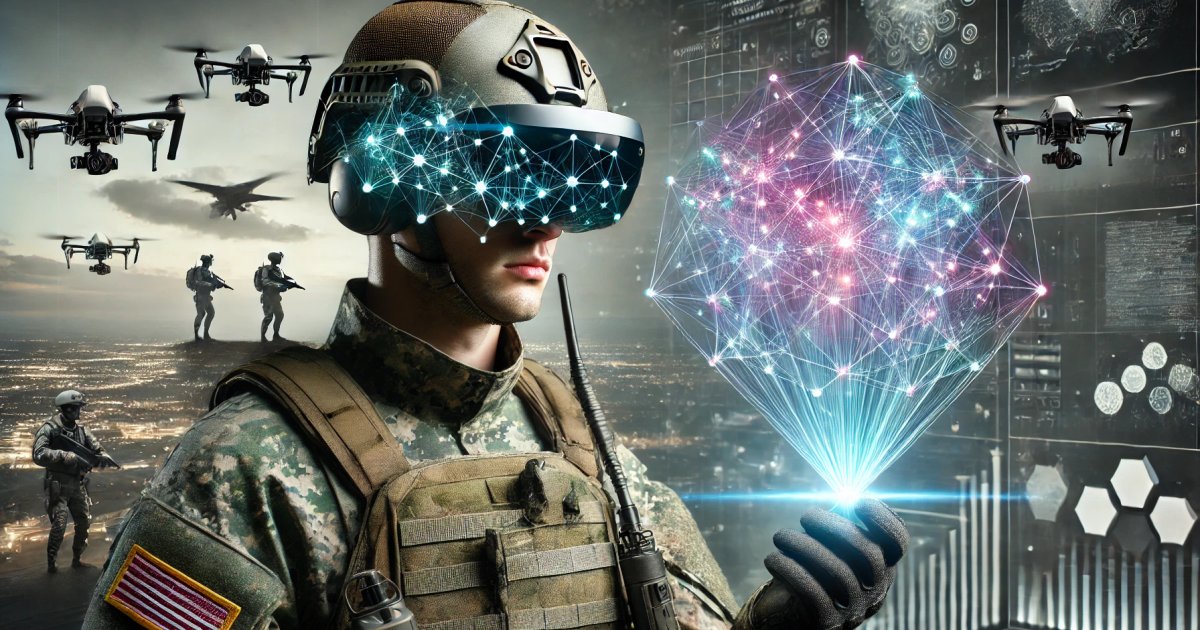
Reports indicate that artificial intelligence will reshape the concept of warfare in the future, as it removes decision-making from the hands of generals and relies on algorithmic systems. This transformation could change combat strategies and influence the global balance of power.
Many countries are moving towards integrating artificial intelligence into their militaries, reflecting a radical shift in how military operations are managed. Algorithmic systems are capable of analyzing data quickly and accurately, enabling strategic decisions to be made in record time.
Event Details
In recent years, we have witnessed a significant evolution in the use of artificial intelligence in military fields. Major powers such as the United States, Russia, and China have begun developing systems capable of making military decisions without human intervention. These systems rely on big data analysis and machine learning, making them more efficient in decision-making.
These systems include the use of drones, combat robots, and self-defense systems. Experiments have shown that these systems can reduce human casualties and increase the effectiveness of military operations.
Background & Context
Historically, wars have heavily relied on human strategies, with generals making critical decisions. However, with technological advancements, we are beginning to see a shift in this model. Artificial intelligence offers new solutions to complex problems, allowing military leaders to focus on broader strategies rather than intricate details.
This shift has not come without challenges, as the use of artificial intelligence in warfare raises ethical and legal issues. How can we ensure that these systems make humane decisions? What are the potential risks of relying on technology in warfare? These questions need clear answers before these systems are fully adopted.
Impact & Consequences
The increasing reliance on artificial intelligence in warfare is expected to lead to significant changes in how conflicts are managed. Wars may become faster and less costly in terms of human losses, but they could also escalate conflicts unexpectedly.
Moreover, this shift could lead to a new arms race, as countries strive to develop advanced artificial intelligence technologies to outpace their adversaries. This could heighten international tensions and affect global security.
Regional Significance
In the Arab region, this shift may have profound implications. Countries investing in military technology may find themselves in a position of strength, while others may lag behind. This could lead to changes in political and military alliances in the region.
Additionally, the use of artificial intelligence in conflicts may complicate security situations, potentially leading to unconventional wars that rely on technology rather than traditional forces.
In conclusion, the shift towards algorithmic warfare presents both a challenge and an opportunity. While it can lead to improved efficiency and reduced casualties, it also raises ethical and legal issues that require careful consideration.