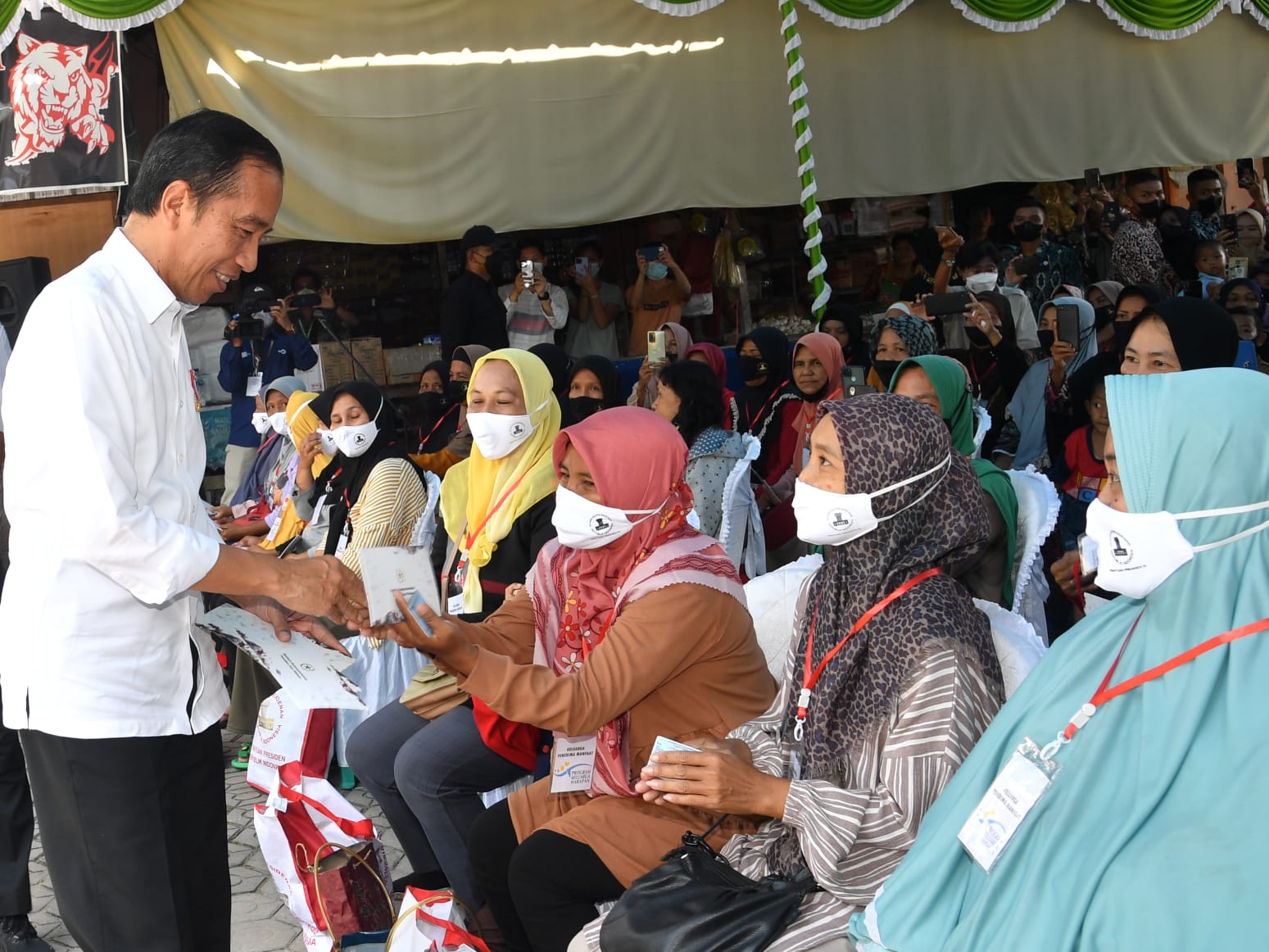
In a move aimed at supporting the most needy segments of society, the Indonesian government of Bangka Belitung announced the distribution of nine types of social assistance. This initiative was announced during an official event in Pangkal Pinang on Monday, April 27, where assistance was provided to a diverse group of beneficiaries, including poor families and vulnerable groups.
The assistance includes financial support for 15 entrepreneurs in the creative sector, as well as the provision of 28 suitable housing units. Financial aid has also been allocated for 10 orphaned children, reflecting the government's commitment to helping the most vulnerable in society.
Event Details
This assistance is part of local government efforts to improve citizens' living conditions, funded by the local government budget (APBD) for 2026, along with contributions from the private sector (CSR) and aid from the Ministry of Social Affairs. The event was organized in the presence of several local officials and civil society representatives, highlighting the importance of cooperation between the government and the community in addressing social challenges.
The Indonesian government aims through these initiatives to boost the local economy and improve living standards, especially amid the difficult economic conditions the country is facing. Supporting small and medium-sized enterprises is a priority for the government, as these businesses represent a significant part of the national economy.
Background & Context
Historically, Indonesia has faced numerous economic and social challenges, including poverty and unemployment. In recent years, the government has taken serious steps to improve the economic situation by implementing various social support programs. These programs have contributed to reducing poverty rates and improving education and healthcare levels in remote areas.
Bangka Belitung province is one of the areas the government focuses on in its development efforts, comprising a group of islands that require special support. With the increasing global economic challenges, such assistance has become essential to ensure the stability of the local community.
Impact & Consequences
This assistance is seen as a positive step towards enhancing social cohesion in Indonesia. By supporting vulnerable groups, the government can help reduce social gaps and promote stability within the community. Additionally, supporting small projects enhances the local economy's capacity to grow and develop.
These initiatives also demonstrate the importance of teamwork between the government and civil society, which can lead to positive long-term outcomes. It is expected that this assistance will improve living conditions and foster a spirit of initiative among the youth.
Regional Significance
Indonesia's experience in providing social assistance can serve as a model for Arab countries, many of which face similar economic and social challenges. Arab nations can benefit from this experience by developing effective social support programs targeting the most needy segments.
These initiatives represent an opportunity to enhance cooperation between Arab countries and Indonesia in the fields of social and economic development, which may contribute to achieving stability and prosperity in the region.