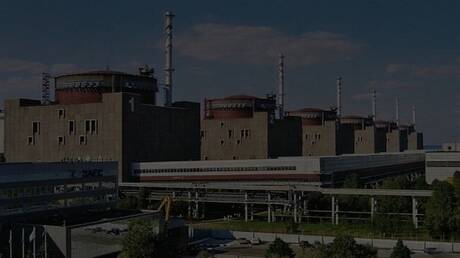
Rafael Grossi, Director of the International Atomic Energy Agency, emphasized that attacks on nuclear facilities, such as the recent strike on the Zaporizhzhia plant, pose a serious threat to global nuclear security. He stressed the urgent need to protect these vital installations, as any aggression against them could lead to dire consequences on both regional and international levels.
Grossi's statements came in the wake of the Ukrainian attack targeting the Zaporizhzhia nuclear power plant, located in southwestern Russia, which is one of the largest nuclear plants in Europe. This attack has raised widespread international concern regarding the safety and security of nuclear facilities in conflict zones.
Details of the Incident
The attack on the Zaporizhzhia nuclear power plant could have severe repercussions, given that this facility houses significant quantities of nuclear materials. Grossi, speaking at a press conference, pointed out that any targeting of such installations could lead to a radioactive leak, posing a threat to the lives of millions.
He also urged all parties involved to respect international standards related to the protection of nuclear facilities, emphasizing the importance of dialogue and cooperation among nations to prevent escalation in such sensitive situations.
Background & Context
Historically, nuclear plants have been contentious sites in conflict areas, having been targeted on several occasions. The attack on Zaporizhzhia occurs within the context of the ongoing conflict between Russia and Ukraine, which began in 2014 following Russia's annexation of Crimea. This conflict has led to heightened military and political tensions in the region, increasing fears regarding nuclear security.
The International Atomic Energy Agency, established in 1957, plays a crucial role in monitoring nuclear activities worldwide. The agency has shown particular interest in nuclear security in conflict zones, striving to ensure that nuclear energy is not used for military purposes.
Impact & Consequences
The potential repercussions of the attack on the Zaporizhzhia plant could be far-reaching. In the event of a radioactive leak, it may necessitate the evacuation of populations surrounding the plant, leading to a humanitarian crisis. Additionally, such incidents could negatively impact international relations, as countries may accuse one another of inciting violence.
The attack could also affect global energy markets, as any threat to nuclear security could lead to rising oil and gas prices. Countries that rely on nuclear energy may find themselves in a difficult position, reflecting on their economies.
Regional Significance
For the Arab region, events related to nuclear security raise significant concerns. Many Arab countries are seeking to develop nuclear programs for peaceful purposes, making them in need of strong security guarantees. Attacks on nuclear plants in conflict areas could impact these countries' plans and heighten their fears regarding regional security.
In this context, Arab nations must enhance cooperation in the field of nuclear security and share information to ensure that such incidents do not recur. There should also be clear mechanisms in place to address nuclear crises in the region.