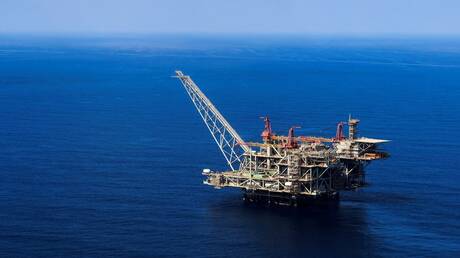
Egypt has announced the allocation of approximately $10.7 billion to meet its natural gas and liquefied natural gas needs for the fiscal year 2026-2027. This decision is part of the government's efforts to secure energy sources to support the national economy and meet the growing demand for gas.
The import plan includes a mix of shipments and supplies, reflecting Egypt's strategy to diversify its gas sources and ensure sustainable supplies. This investment is part of the government's efforts to enhance energy security in the country, especially amid global economic challenges.
Details of the Import Plan
Egypt aims to secure its natural gas needs by importing gas from several countries, including Israel. This move comes at a time when global markets are experiencing significant fluctuations in energy prices, increasing the importance of securing gas supplies.
The Egyptian strategy also includes developing the necessary infrastructure to receive gas, including export and storage facilities. The government aims to enhance its capabilities in liquefied natural gas, enabling it to meet local market needs and export to foreign markets.
Background & Context
Historically, Egypt has relied heavily on its domestic natural gas production. With increasing local and global demand, the government has begun to explore new options to secure gas supplies. In recent years, there has been an increase in natural gas investments in the region, making it one of the world's most important energy sources.
The Egyptian-Israeli relations in the energy sector are part of the positive developments in bilateral relations between the two countries. Several agreements have been signed in recent years to enhance cooperation in this field, reflecting both parties' desire to achieve their mutual interests.
Impact & Consequences
This step underscores the importance of natural gas as a primary energy source in Egypt, which could contribute to enhancing economic growth. Additionally, importing gas from Israel may open new avenues for cooperation between the two countries in other areas.
This move is expected to impact gas prices in local markets, as increased supplies could lead to price stabilization. Furthermore, enhancing cooperation in the energy sector may contribute to improving political and economic relations between Egypt and Israel.
Regional Significance
Egypt is considered one of the leading energy countries in the Arab region, and its new strategy may affect gas markets in neighboring countries. This step could encourage other countries to enhance their cooperation in the energy sector, contributing to stability in the region.
Amid global economic challenges, this strategy could serve as a model for other countries on how to secure their energy needs. Additionally, enhancing cooperation in the energy sector may contribute to achieving sustainable development in the region.