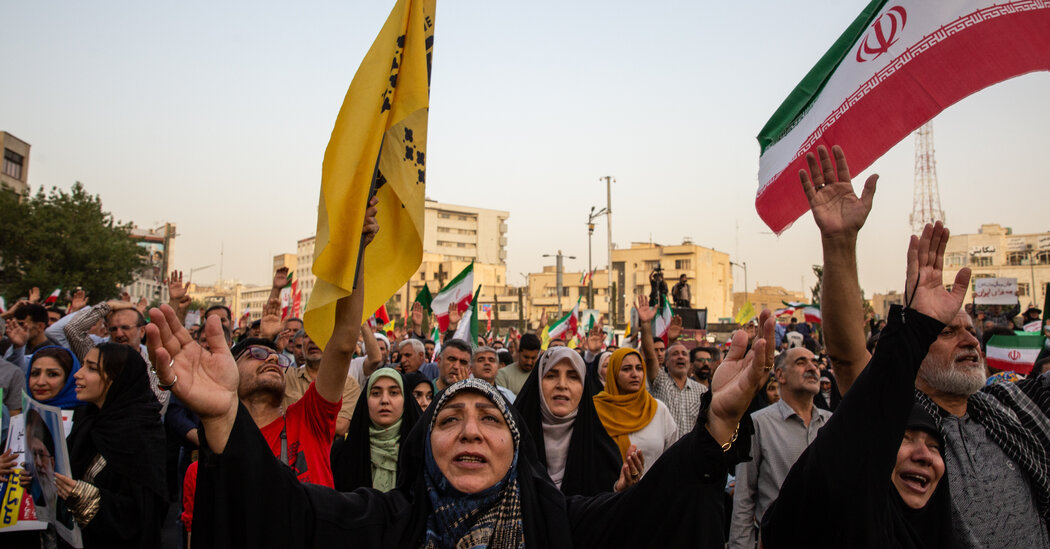
Asian financial markets have seen a substantial recovery following the announcement of a ceasefire agreement between the United States and Iran, leading to a rise in stocks across several countries. This agreement, reached after rounds of negotiations, represents a crucial step towards easing tensions in the region and reflects both parties' desire for stability.
This news arrives at a time when the global economy is grappling with the repercussions of the COVID-19 pandemic, as investors seek to capitalize on any positive indicators to bolster their confidence in the markets. The agreement has led to increased optimism among investors, contributing to the rise of stock indices in both Japan and South Korea.
Details of the Agreement
In the specifics of the agreement, a ceasefire was announced following heightened tensions between the United States and Iran in recent times. Officials indicated that this agreement would help alleviate the conflict and provide an opportunity to resume dialogue between the two parties. The importance of international cooperation in achieving peace and stability in the region was also emphasized.
Following the announcement of the agreement, stocks on the Tokyo Stock Exchange rose significantly, with the Nikkei 225 index recording an increase of over 2%. The Seoul Stock Exchange also witnessed a notable rise, reflecting the markets' positive response to this development.
Background & Context
Historically, relations between the United States and Iran have been marked by increasing tensions since the U.S. withdrawal from the nuclear agreement in 2018. These tensions have escalated conflicts in the region, adversely affecting global financial markets. However, this agreement represents a glimmer of hope in peace efforts and reflects the potential for diplomatic solutions.
In recent years, there have been multiple attempts at negotiations between the two parties, but these often faltered due to deep-seated disagreements. Nevertheless, this new agreement may open doors for further negotiations on outstanding issues, including Iran's nuclear program.
Impact & Consequences
This agreement is expected to have positive effects on global financial markets, potentially leading to stabilization of oil prices and improved economic conditions in the region. Additionally, easing tensions could enhance foreign investment opportunities in the Middle East, benefiting the economies of the involved countries.
On the other hand, the agreement may face challenges in implementation, especially if there is not full commitment from both sides. There are also concerns about negative reactions from some regional parties that may feel uneasy about this rapprochement.
Regional Significance
For Arab countries, this agreement could contribute to improving relations between some nations and Iran, potentially leading to greater stability in the region. Furthermore, easing tensions may pave the way for increased economic and political cooperation between Arab states and Iran.
In conclusion, this agreement represents an important step towards achieving peace in the region, but it remains to be seen how events will unfold in the future. Continued dialogue and cooperation among the involved parties will be key to achieving lasting stability.