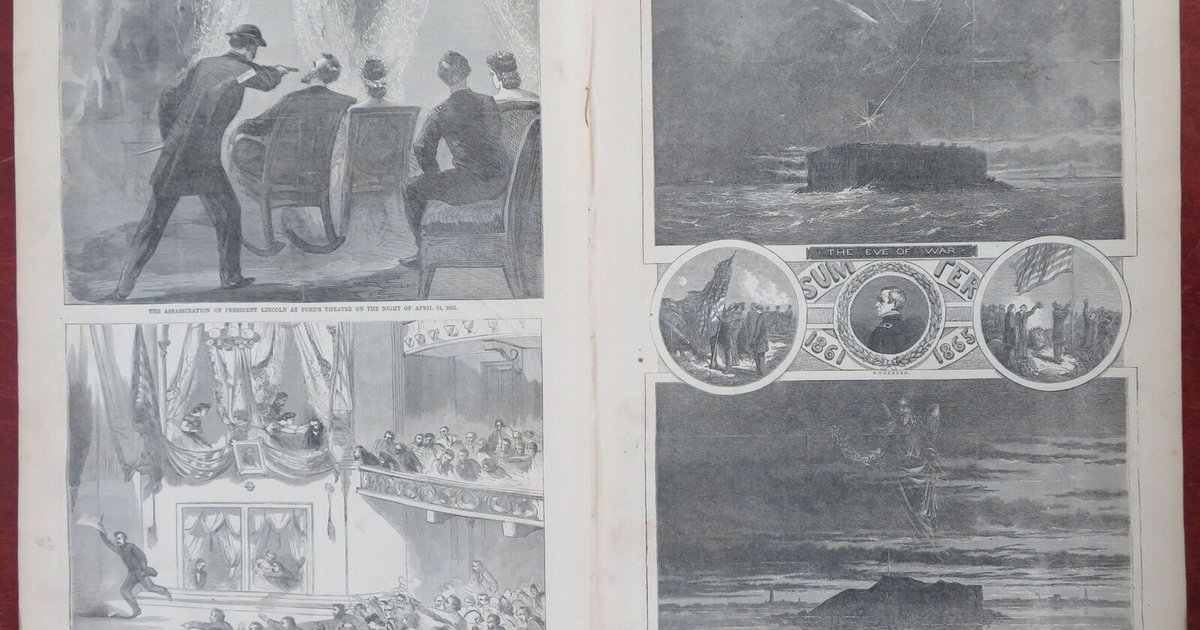
On this day, April 26, 1865, John Wilkes Booth, the man who assassinated President Abraham Lincoln, was killed. Booth was a well-known stage actor, but he became a symbol of anger and division in the United States following his assassination of the president.
After Lincoln's assassination on April 14, 1865, Booth fled Washington, leading to a manhunt by authorities. The search for him lasted over 12 days, with teams of soldiers and police deployed across the country to capture him.
Details of the Event
On April 26, Booth was located on a farm in Virginia. After surrounding the area, federal troops decided to storm the farm. During the operation, Booth was shot in the neck, leading to his death shortly thereafter.
Booth's death elicited mixed reactions in American society. While some viewed him as a hero, others saw him as a traitor. This event marked a tragic end to a controversial figure in American history.
Background & Context
The assassination of Lincoln was part of the broader conflict that the United States experienced during the Civil War. The country was suffering from deep divisions between the North and South, with issues of slavery and states' rights playing a pivotal role in the conflict.
Booth, who had Southern roots, believed that assassinating Lincoln would restore hope to the South and turn the tide of the war in their favor. However, events unfolded contrary to his expectations, as Lincoln's assassination deepened the divide and increased tensions in the country.
Impact & Consequences
Booth's death had far-reaching effects on American politics. It heightened tensions between the North and South and led to changes in political leadership. It also contributed to the efforts to rebuild the nation after the Civil War.
Moreover, Booth's death impacted the anti-slavery movement, as Lincoln was seen as a symbol of freedom and equality. After his death, the movement continued to fight for the rights of African Americans, shaping the future of the United States.
Regional Significance
Although the events surrounding John Wilkes Booth are not directly related to the Arab region, their impact on American history can be seen as a lesson in how political events affect societies. Internal conflicts in any country can lead to radical changes in policies and international relations.
Studying American history, including events such as Lincoln's assassination and Booth's death, can benefit Arabs in understanding how political and social movements evolve in their own countries.