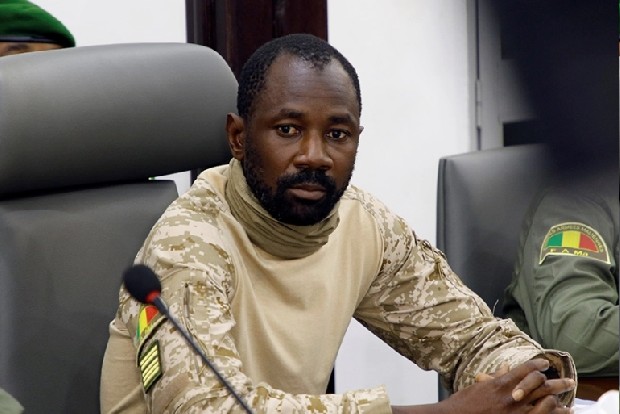
Mali has witnessed the assassination of its Defense Minister, leading to heightened security tensions across the country. This incident coincides with rebels declaring control over the city of Kidal amid increasing international warnings about the deteriorating situation.
The attack targeting the minister occurred near the capital, Bamako, where reports indicate that the assault was bloody, resulting in several casualties and injuries. This incident comes at a highly sensitive time as clashes between government forces and rebels in the northern regions are intensifying.
Details of the Incident
According to local sources, the attack targeted the convoy of the Defense Minister as he was heading to an official event. The deceased minister, who had held his position for a short time, was recognized as a prominent figure in the transitional government. The attack occurs amidst rising security tensions in Mali, which has been suffering from instability for years.
Meanwhile, rebels in northern Mali announced their control over the city of Kidal, complicating the security situation further. This takeover follows a series of battles in the region, where rebels are seeking to expand their influence amid the weakness of the central government.
Background & Context
Historically, Mali has faced internal conflicts since 2012, when a rebellion in the north led to the secession of some regions. Since then, the country has experienced a series of military coups and conflicts among armed groups. The current transitional government, formed after the 2020 coup, faces significant challenges in regaining control over the northern areas.
Mali is home to numerous armed groups, including Al-Qaeda and ISIS, complicating the government's efforts to restore security. These conditions have led to international interventions, including the presence of French and African forces in the country, yet the situation remains tense.
Impact & Consequences
The assassination of the Defense Minister could have serious repercussions on the stability of the transitional government, potentially leading to a loss of confidence in its ability to protect its citizens. Additionally, the escalation of fighting may prompt more countries to reassess their presence in Mali, affecting the international support provided to the country.
Furthermore, the rise in violence may exacerbate the humanitarian situation in the country, where many residents are suffering from shortages of food and essential resources. This situation could lead to new waves of displacement, increasing the burden on neighboring countries.
Regional Significance
The situation in Mali is part of a larger picture of instability in the African Sahel region, which directly impacts regional security. The escalation of violence in Mali could have repercussions for neighboring countries such as Niger and Burkina Faso, where terrorist activities are on the rise.
Moreover, the conditions in Mali may raise concerns among Arab countries, as they could lead to a flow of refugees northward, placing additional pressures on Arab nations in the region. It is crucial for Arab countries to monitor developments in Mali and support peace and stability efforts in the country.
In conclusion, the situation in Mali remains tense and requires joint international and local efforts to restore security and stability. The assassination of the Defense Minister serves as another reminder of the significant challenges the country faces in its pursuit of peace.