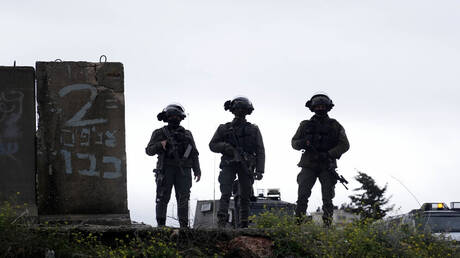
The Israeli army announced this evening the death of Sergeant Aidan Fox during an attack by Hezbollah in southern Lebanon, resulting in the injury of six other soldiers, including an officer. This attack comes at a sensitive time as the Lebanese-Israeli border witnesses a notable escalation in military activities.
The attack reflects the increasing tension between the two sides and indicates the ongoing conflict in the region despite attempts at de-escalation. According to official data, the attack occurred in an area close to the border, where Hezbollah elements targeted an Israeli army patrol using light weapons.
Details of the Attack
The attack resulted in the death of Sergeant Fox and injuries to the other soldiers, prompting the Israeli army to respond with artillery fire on Hezbollah positions. The army confirmed its commitment to taking all necessary measures to protect its soldiers and citizens, emphasizing that such attacks will not go unanswered.
At the same time, Hezbollah announced its responsibility for the attack, reaffirming its commitment to resisting the Israeli occupation.
Background & Context
Historically, the Lebanese-Israeli border has witnessed numerous armed conflicts, with Hezbollah being one of the most prominent factions resisting the Israeli occupation. Since the 2006 war, there have been multiple attempts to reach ceasefire agreements; however, tensions remain high.
Impact & Consequences
The death of the Israeli soldier and the injuries to others may lead to a greater military escalation in the region, as the Israeli army might respond more forcefully, increasing the intensity of the conflict and affecting civilians in border areas. These events could also impact relations between Lebanon and Israel and heighten regional tensions.
Regional Significance
This incident highlights the escalating military tensions in the Middle East and their implications for regional stability. The ongoing conflict poses challenges not only for the countries involved but also for broader international relations in the region.
In conclusion, the situation remains precarious, and the potential for further violence looms as both sides navigate the complexities of their longstanding conflict.