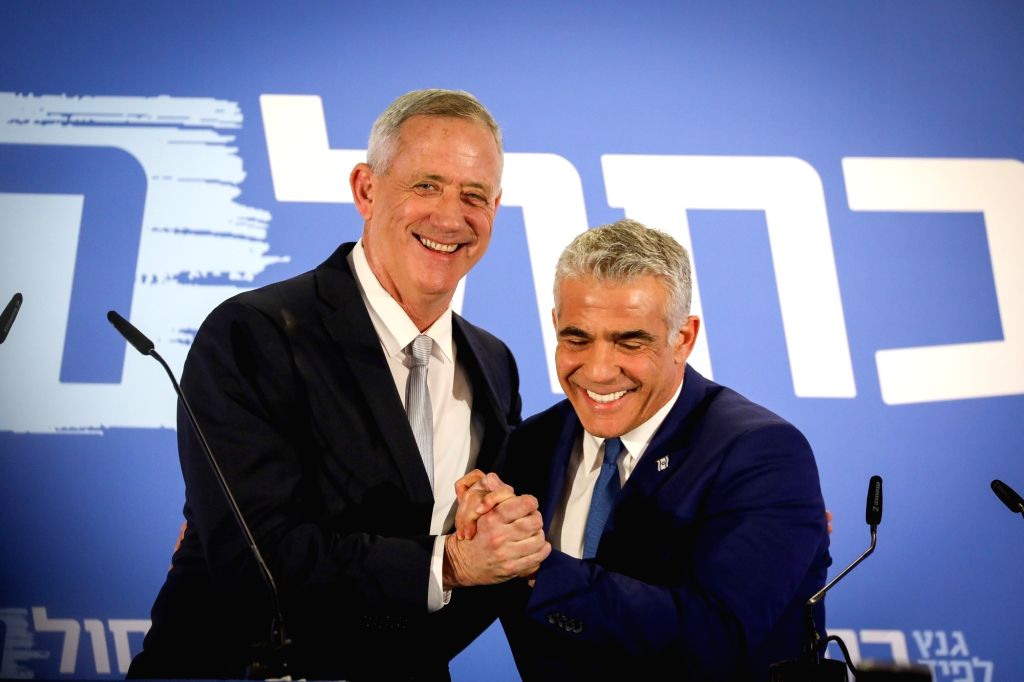
In an unexpected move, both Yair Lapid, leader of the "Yesh Atid" party, and former Defense Minister Benny Gantz have announced the formation of a political alliance aimed at challenging Israeli Prime Minister Benjamin Netanyahu in the upcoming elections. This alliance comes at a time when the Israeli political landscape is experiencing significant polarization, as both parties seek to unite their forces against Netanyahu, who is facing growing criticism over his policies.
This alliance is considered a strategic step intended to enhance their electoral chances amid Netanyahu's declining popularity, which is compounded by corruption allegations and increasing economic challenges. Lapid indicated that this alliance represents a real opportunity to change the political landscape in Israel, while Gantz emphasized the importance of unity in facing the challenges the country is currently facing.
Details of the Alliance
This move follows a series of meetings between Lapid and Gantz, where they agreed to form a joint list that includes prominent political figures from both parties. Details of this list are expected to be announced in the coming days, which could alter the dynamics of the Israeli elections.
Additionally, the alliance aims to attract voters who feel disillusioned with the current situation, as both parties strive to present an appealing alternative to Israeli voters. This alliance serves as a response to Netanyahu's policies, which have been characterized by rigidity on various issues, including the Palestinian conflict.
Background & Context
In recent years, Israel has witnessed increasing political tensions, with several elections held in a short period. These elections have led to governmental instability, exacerbating divisions among political parties. This alliance is part of the opposition parties' efforts to unify their ranks against Netanyahu, who has been in power for over a decade.
Lapid and Gantz are among the most prominent political figures in Israel, having led previous governments and possessing a broad public base. However, the challenges they face are significant, especially given the sharp divide between the right and left in Israeli society.
Impact & Consequences
If this alliance succeeds in achieving its goals, it could lead to a radical change in the Israeli political landscape. It may enhance the prospects of leftist and centrist parties in the upcoming elections, potentially resulting in the formation of a new government that adopts policies different from those pursued by Netanyahu.
This alliance could also impact Israeli-Palestinian relations, as changes in policy towards the Palestinian issue are expected if the opposition parties manage to come to power.
Regional Significance
This alliance represents a significant development in the Israeli political scene and may have direct implications for relations between Israel and Arab countries. If the alliance succeeds, Israel's approach to peace with the Palestinians may change, potentially opening the door for new negotiations.
Furthermore, this alliance could strengthen the position of Arab countries seeking to achieve peace and stability in the region, as it may lead to a shift in Israeli policies regarding regional issues.
It remains to be seen how events will unfold in the coming period and whether this alliance will achieve its goals in the upcoming elections. Given the substantial challenges, the Israeli political landscape appears poised for radical changes that could affect the entire region.