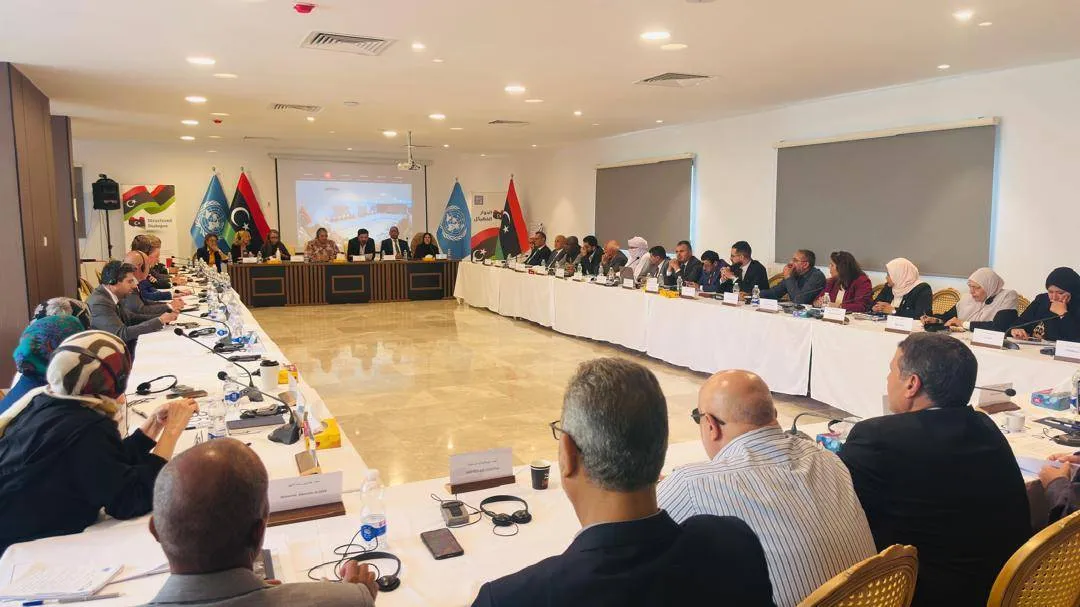
Members of the "National Reconciliation and Human Rights" track in Libya concluded a third round of direct meetings in the capital, Tripoli, where they strongly called for a substantive review of the current Transitional Justice Law. Participants stressed the importance of ensuring that those involved in human rights violations are kept out of the political scene, as part of building trust in state institutions.
In an official statement, the United Nations mission included the discussions that concluded last Thursday within the framework of the "structured dialogue" it sponsors, aimed at establishing a "roadmap" for accountability for past abuses and enhancing trust in state institutions as a fundamental pillar for achieving peaceful national elections.
Event Details
In their final recommendations, participants emphasized that the proposed Transitional Justice Law for 2025 requires radical reforms to avoid past failures, which were fueled by political divisions and unequal treatment of victims. Hannah Teteh, head of the UN mission, highlighted the necessity for any credible transformation in Libya to be rooted in truth, justice, and dignity for victims and their families, noting that national reconciliation cannot continue without a rights-based approach led and owned by Libyans.
Key recommendations included ensuring the independence of the proposed Truth and Reconciliation Commission, adopting a transparent framework for reparations, and prioritizing the return of displaced persons. There was also a strong emphasis on ending arbitrary detention practices, protecting civil space and journalists, and enhancing the representation of women and cultural components in the decision-making process.
Background & Context
In a related context, participants reviewed the results of a public opinion poll that included about 6,000 Libyans, which revealed a state of public dissatisfaction and security concerns. A total of 82% of respondents supported excluding individuals involved in violations from positions of power, while 67% expressed fears of arrest or retaliation, posing a significant barrier to political participation and freedom of expression in the country.
Ambassadors and representatives from the "International Humanitarian Law Working Group" stemming from the "Berlin Process" emphasized the need for the independence of the Libyan judiciary as a guarantee to end the era of impunity. The head of the interim "Unity Government", Abdul Hamid Dbeibeh, attended the celebrations for "Libyan Women's National Day", where he reaffirmed the government's support for women's empowerment programs and enhancing their participation in decision-making positions.
Impact & Consequences
Concerns are growing about the impact of political and security divisions on reconciliation efforts in Libya, as a report from the UN expert panel indicated that armed groups have managed to infiltrate state institutions, thereby strengthening their influence. This situation poses a significant challenge to reform efforts and state-building, requiring the restoration of the rule of law and the unification of sovereign institutions.
Moreover, periodic reports issued by oversight bodies do not reflect the true extent of corruption in Libya, complicating anti-corruption efforts. Some members of the "structured dialogue" indicated that corruption has found a fertile ground amid political division and the chaos of arms.
Regional Significance
These developments in Libya are of great importance to the Arab region, reflecting the challenges faced by countries in achieving justice and national reconciliation. Libya's success in addressing transitional justice issues could serve as a model for other countries suffering from internal conflicts.
In conclusion, the situation in Libya requires ongoing efforts from all stakeholders to ensure justice and reconciliation, contributing to building a more stable and prosperous future.