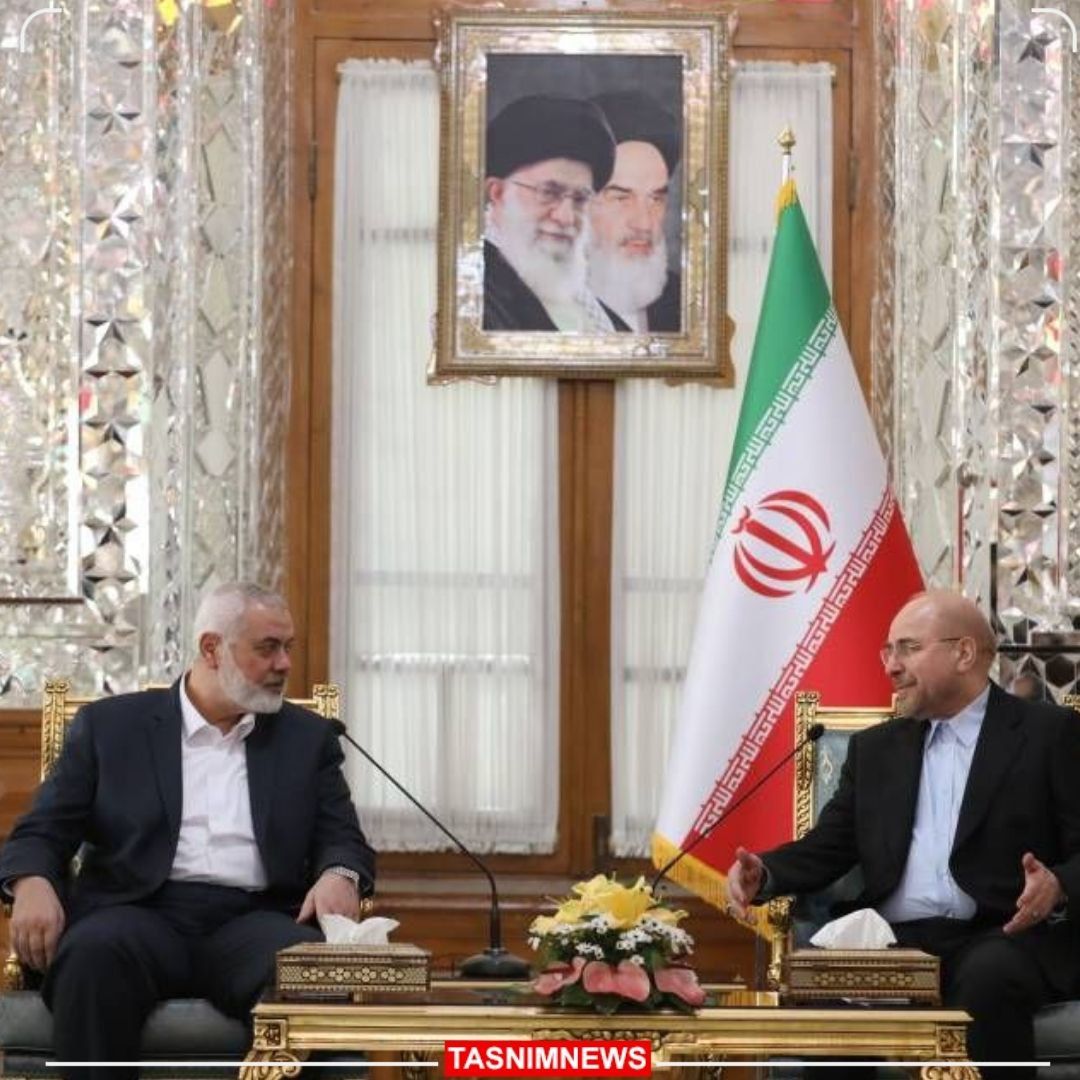
Following a series of assassinations targeting prominent leaders in Iran, Mohammad Baqer Qalibaf, the Speaker of Parliament since 2020, emerges as a key figure in the country. At 64 years old, Qalibaf is seen as the new intermediary within the Iranian regime, as his authority has increased following the deaths of Supreme Leader Ali Khamenei, former President Mahmoud Ahmadinejad, and National Security Council Chairman Ali Larijani.
These developments come at a sensitive time for Iran, which is grappling with multiple internal and external crises. As political and security tensions escalate, it appears that Qalibaf has managed to solidify his position as a strong leader within the regime, raising questions about the future of Iranian politics.
Details of the Event
Events in Iran have unfolded rapidly following the assassination of several prominent leaders, creating a power vacuum and opening the door for new figures to assume leadership roles. Qalibaf, who has held significant military and political positions, is regarded as one of the most prominent faces in the Iranian regime, boasting extensive experience in political and security affairs.
Since taking over as the Speaker of the Iranian Parliament in 2020, Qalibaf has worked to enhance his authority by supporting government policies and strengthening ties with the Islamic Revolutionary Guard Corps. He is now viewed as a crucial link between various political forces in the country, positioning him as a pivotal figure in the upcoming phase.
Background & Context
Historically, Iran has witnessed radical changes in its leadership following major political and security events. The assassination of prominent leaders reflects a state of instability and underscores Qalibaf's importance in maintaining the balance of power within the regime. He is considered a controversial figure, having played a role in numerous military and political operations that have influenced the country's trajectory.
Before assuming the role of Speaker, Qalibaf served as the Chief of the National Police, earning him a strong reputation in the security field. He also played a significant role in the election campaign of the current Iranian president, reflecting his support for the regime's current policies.
Impact & Consequences
With Qalibaf's rising power, many observers anticipate changes in Iran's domestic and foreign policies. Qalibaf may seek to strengthen relations with traditional allies such as Russia and China, while potentially adopting a more hardline stance towards the West.
Concerns are growing that the consolidation of his power could lead to increased repression of internal opposition, exacerbating social and political tensions within the country. Additionally, the continuation of assassinations may create uncertainty in the political arena, impacting the stability of the Iranian regime.
Regional Significance
The events in Iran have a direct impact on the Arab region, as neighboring countries are affected by the political and security developments in Tehran. Qalibaf's increased power could escalate tensions in relations between Iran and Arab states, especially amid ongoing conflicts in Iraq, Syria, and Lebanon.
Furthermore, Qalibaf's consolidation of power may influence Iran's support for armed groups in the region, complicating security situations in Arab countries. In this context, the question remains how Arab states will respond to these changes and their impact on their security and political strategies.
In conclusion, Mohammad Baqer Qalibaf represents a pivotal figure in the current phase of Iran's history, as internal and external challenges continue to mount. As events unfold, it remains essential to monitor the developments in Iran and their implications for the region.