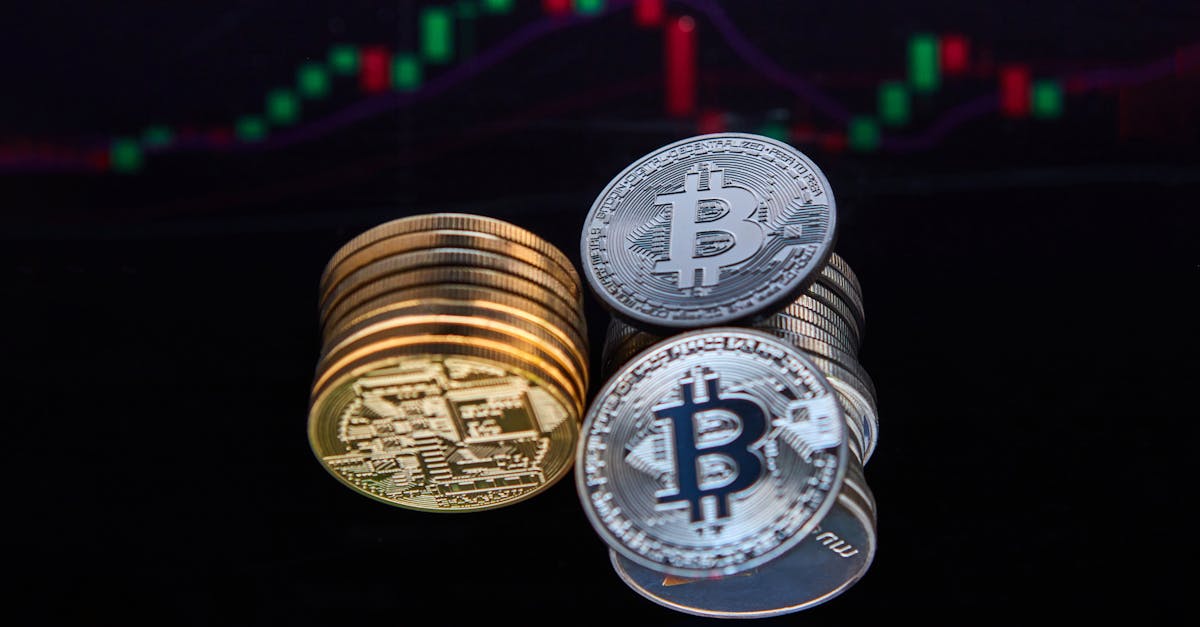
Economic sources report that the ceasefire in the Iranian conflict may have profound effects on global financial markets. This development is seen as a positive step that could enhance market stability, especially given the ongoing tensions in the region recently.
In a new episode of "Pulse with Francine Lacqua," several experts in economics and finance were hosted to discuss the potential implications of this development. Among the guests was Miles Bradshaw from J.P. Morgan Asset Management, who noted that markets may witness significant movements in the coming days.
Details of the Event
The ceasefire in Iran comes at a sensitive time, as markets have been reacting negatively to any news related to the conflict. Julian Barnes-Dacey from the European Council on Foreign Relations pointed out that this development could open up new investment opportunities in the region, potentially restoring investor confidence.
Alicia Brardi from the Amundi Institute addressed the impact of this event on investment strategies in emerging markets. She emphasized that stability in Iran could enhance foreign investment flows, leading to economic recovery.
Background & Context
Historically, Iran has experienced numerous conflicts and political tensions that have affected its economic stability. Since the Islamic Revolution in 1979, the country has suffered from economic sanctions and international isolation, impacting its ability to attract investments. However, any improvement in the security situation could contribute to changing this landscape.
In recent years, there have been multiple attempts to reach peace agreements, but they often faced obstacles. Thus, the current ceasefire is considered an important step towards achieving stability in the region.
Impact & Consequences
The potential impacts of this development may include rising stock prices in global markets, as analysts expect stability in Iran to increase oil demand. Rafael Tordjman, founder of Gito Capital, indicated that oil prices could experience notable fluctuations as a result of this event.
Moreover, Iran's stability could help strengthen trade relations with neighboring countries, potentially improving economic conditions in the region as a whole. These dynamics could open new avenues for economic cooperation.
Regional Significance
Considering the effects of the ceasefire in Iran, Arab countries may benefit from this stability. Improved relations between Iran and Arab states could enhance economic cooperation, contributing to sustainable development.
Additionally, the stabilization of oil prices resulting from this event could have a positive impact on Arab economies that heavily rely on oil revenues. Therefore, this development is seen as an opportunity to bolster regional cooperation.
In conclusion, the ceasefire in Iran represents a potential turning point in the region, as it could lead to economic stability and improved trade relations. It remains to be seen how markets will react to these developments in the coming days.