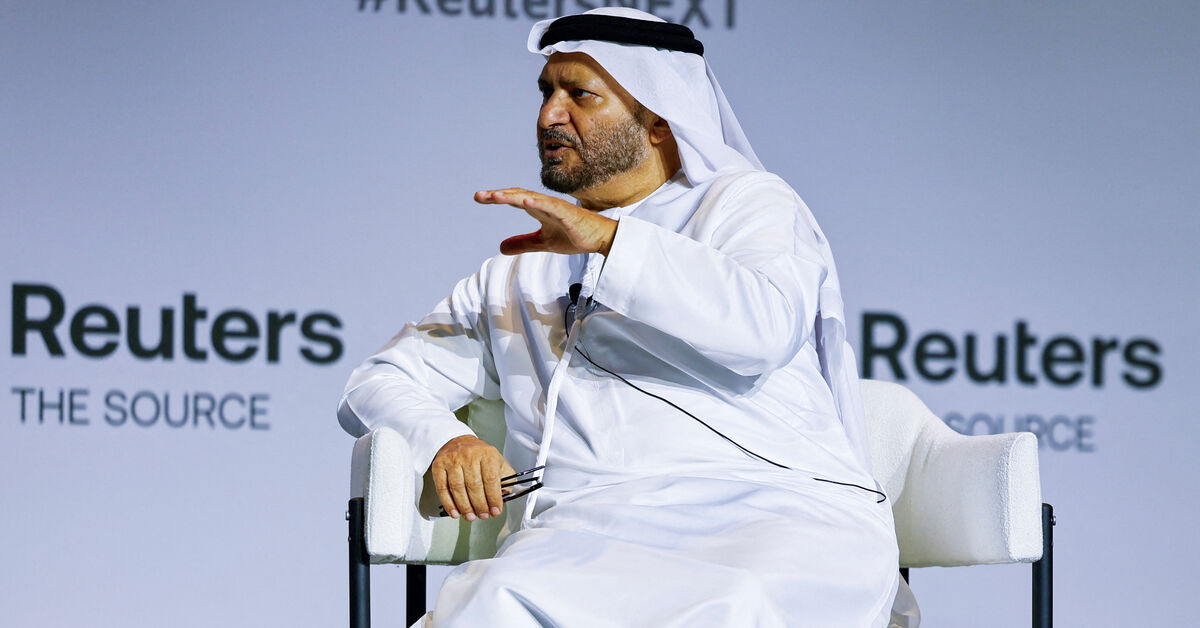
An Emirati presidential advisor announced that the chances of reaching a peace agreement between the United States and Iran are estimated at 50-50, stressing the importance of addressing the root causes that lead to instability in the region. These statements come at a sensitive time as major powers seek to find lasting solutions to the multiple crises plaguing the Middle East.
This announcement coincides with Pakistan's efforts to mediate between the United States and Iran for a ceasefire, aiming to end the conflict that has significantly impacted the global economy and disrupted trade through the Strait of Hormuz, a vital passage for about 20% of the world's oil and liquefied natural gas exports.
Details of the Situation
Concerns are growing over the potential resurgence of conflict between the United States and Iran, as tensions have escalated since the US withdrawal from the Iranian nuclear deal in 2018. This withdrawal led to the re-imposition of stringent economic sanctions on Iran, exacerbating tensions in the region. In this context, the importance of Pakistani mediation stands out, as it seeks to achieve de-escalation between the two parties.
The Strait of Hormuz is a strategic point, through which approximately 20% of total global oil exports pass. Any escalation in the conflict could significantly affect global oil prices, negatively impacting the world economy. Therefore, any potential agreement between the United States and Iran would have far-reaching implications.
Background & Context
Historically, US-Iranian relations have been marked by increasing tensions since the Islamic Revolution in Iran in 1979. These tensions have led to a series of military and economic conflicts, resulting in a state of ongoing instability in the region. In recent years, these tensions have notably escalated, prompting many regional and international countries to seek mediation.
The United Arab Emirates is one of the countries striving for stability in the region, playing a pivotal role in mediation efforts. The Emirati advisor indicated that any agreement must address the underlying issues leading to instability, such as regional interventions and sectarian conflicts.
Impact & Consequences
If an agreement is reached between the United States and Iran, it could alleviate tensions in the region, contributing to the stabilization of oil prices and enhancing trade flows. However, the failure of negotiations could lead to a new escalation in conflict, threatening regional and global security.
It is also essential to consider the impact of this agreement on relations between Arab countries and Iran. Arab nations, especially those in the Gulf, fear that any agreement could strengthen Iranian influence in the region, potentially threatening their security and political interests.
Regional Significance
The relationships between Iran and Arab countries are among the sensitive issues in the region. Any agreement between the United States and Iran could directly affect these relationships. While the agreement might lead to a calming of the situation, some Arab nations may feel concerned that it could enhance Iran's influence in the area.
In conclusion, the future of US-Iranian relations remains uncertain, but it is clear that there is an urgent need for a lasting peace in the region. Any potential agreement must take into account the interests of all parties involved to ensure long-term stability.